How an Indian Trading Company Sourced a Dry Onion Peeling Machine
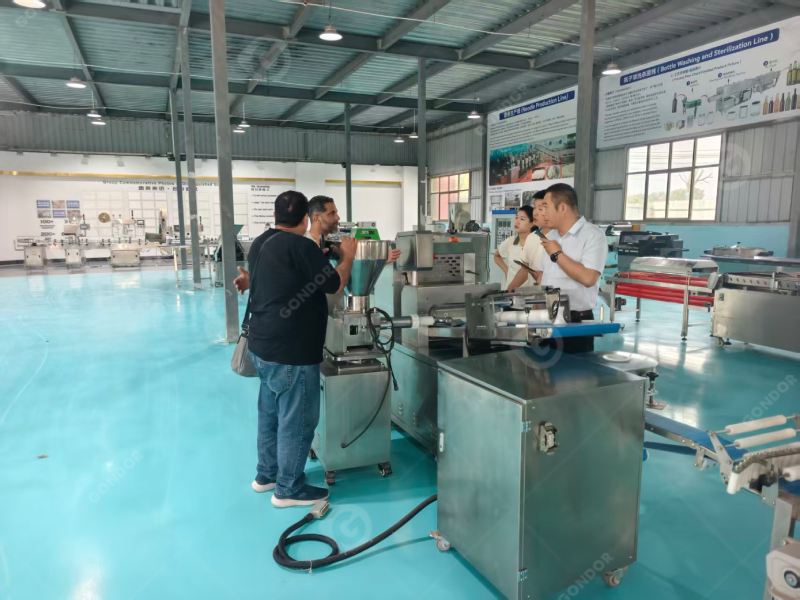
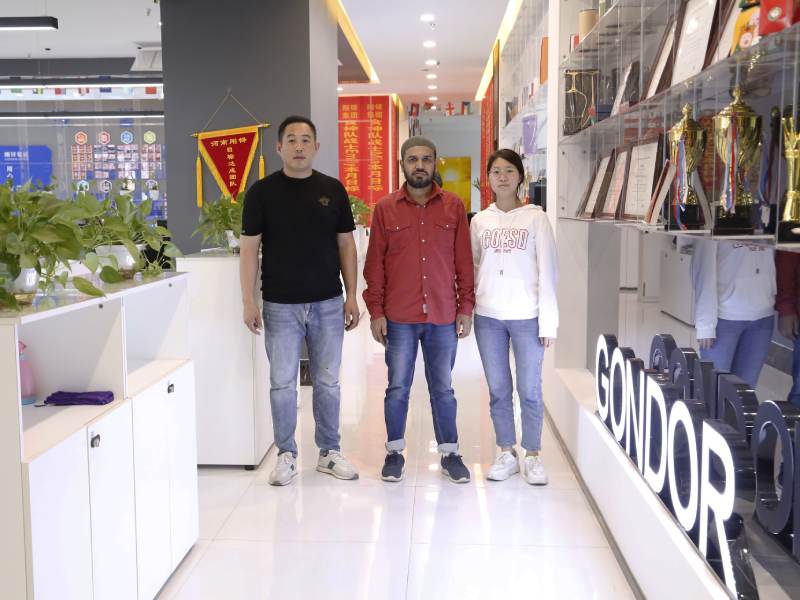
An Indian agricultural and food supply chain intermediary sits in Ayikkarapadi, Kerala. They came to us looking for industrial equipment to upgrade their vegetable processing line, with onions as the focus.
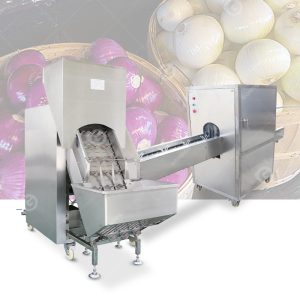
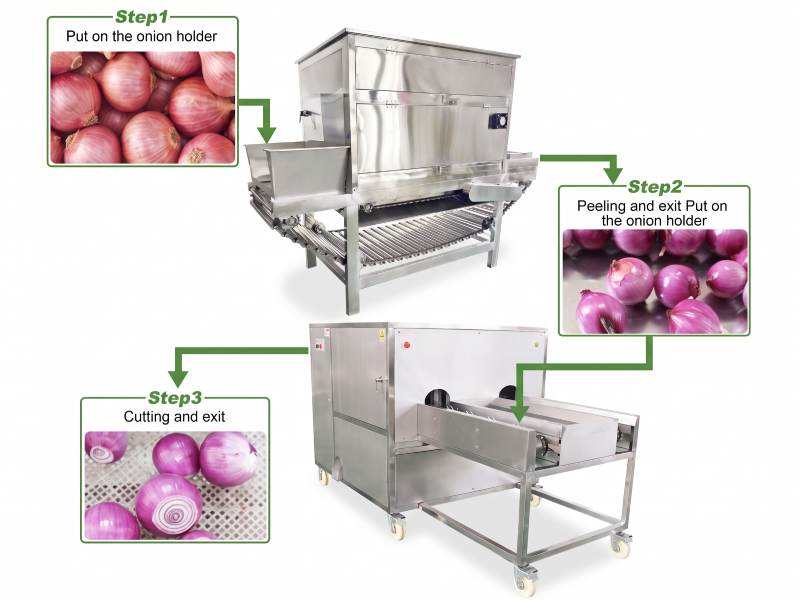
Wet processing was off the table. Onions that stay damp after peeling rot fast, so they needed a dry method that keeps the raw material intact. To meet that requirement, our sales rep put together a two-machine setup: a pneumatic Onion Peeling Machine paired with a separate Onion Root-Cutting Machine. Running these as independent units keeps the onions dry during peeling and gives the client more flexibility on the production floor.
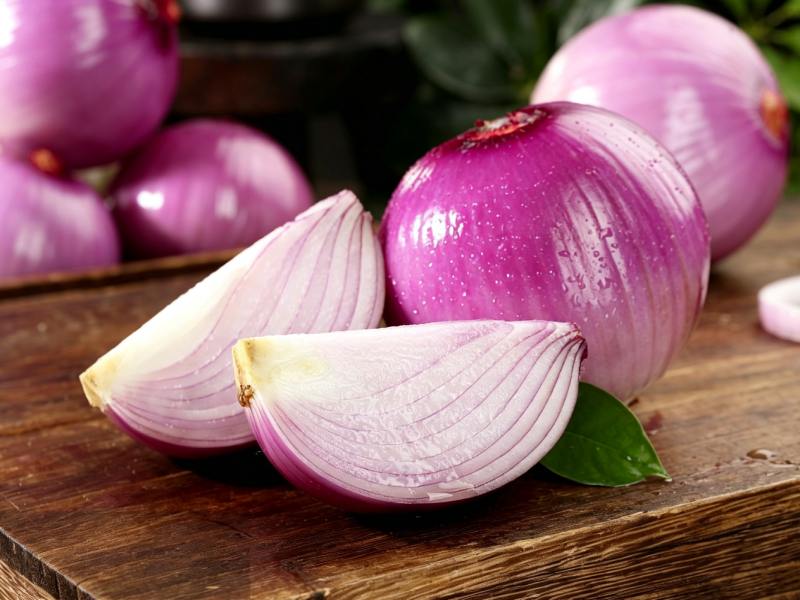
Right now the project is in the quotation and evaluation stage. What’s left is customizing the motor for India’s 415V/50Hz electrical grid and putting together a full CIF (Cost, Insurance, and Freight) shipping quote to Kochi Port.
Customer Requirements
The client gave us five hard requirements during the early calls:
- Production capacity: They first asked about 1 ton/hour, then settled on 500 kg/hour after we walked through the trade-offs on floor space, budget, and downstream packaging speed.
- Dry peeling only: Non-negotiable. The machine had to remove skins without using water.
- Dual functionality: Cut both ends of the onion (top and tail roots) and remove the outer skin.
- Electrical compatibility: The motor had to run on Kerala’s 415V/50Hz industrial supply. No transformers.
- Logistics: They asked for a CIF quote to either Mumbai or Kochi. We confirmed Kochi.
Challenges Identified
Four predictable friction points came up during the back-and-forth:
- How does it actually peel without water? They wanted a clear explanation of the dry-peeling mechanism before committing.
- Total landed cost. They kept asking for freight estimates so they could budget the full import cost, including duties.
- After-sales support. Standard concerns for an overseas buyer: warranty terms, how to source replacement parts in India, and what happens if something breaks.
- Combined vs. split system. They weren’t sure whether to buy one integrated machine or two standalone units.
Our Technical Recommendation
For the dry-peeling requirement, we pointed them to our pneumatic peeling machine. It runs on high-pressure air from an external compressor, which blasts the skin off without any water contact. It’s the only industrial method we’ve found that handles high volume while keeping the onions completely dry.
For layout, we suggested the split-system approach: a peeling machine and a root-cutting machine as separate units. Most of our international buyers go this route because it gives them more flexibility on the line.
To address durability and food safety, we confirmed all food-contact parts are 304 food-grade stainless steel. For the motor, we’d build it specifically for 415V/50Hz. On maintenance: 1-year warranty covering the whole machine (wear parts excluded), operation manual in the box, and we ship spare parts internationally on request.
Equipment Solution
| Specifications | Value |
|---|---|
| Setup | Onion Peeling Machine + Onion Root-Cutting Machine (two units) |
| Capacity | 500 kg/hour |
| Motor | Custom 415V/50Hz, India standard |
| Material | 304 food-grade stainless steel |
| Drive | Pneumatic, requires external air compressor |
| Core function | Cuts both ends, removes skin dry (no water) |
| Warranty | 1 year (wear parts excluded), international spare parts, ops manual |
Why This Solution Matches the Customer
The pneumatic approach is the only industrial option we know of that hits high volume without water. The onions come out dry, which cuts the post-processing spoilage risk significantly.
Splitting root cutting and peeling into two units gives the client’s end-users more flexibility on the line. They can scale each station independently as their volume grows.
Customizing the motor to 415V/50Hz saves them from buying step-up transformers on arrival in India. Combined with 304 stainless on food-contact surfaces, the machine should hold up in their environment for years.
What Buyers Should Think About
Conclusion
This ongoing project consultation perfectly illustrates our structured, solution-oriented approach to international B2B procurement.
Beyond standard equipment, Gondor Machinery provides end-to-end customization services tailored to your specific processing environment. Our engineering team designs solutions focused on:
- Capacity Planning: Accurately matching your current output goals while accommodating future business growth.
- Factory Layout: Optimizing the equipment footprint and operational workflow for your specific floor space.
- Deep Customization: Adjusting automation levels, material grades, and technical parameters (such as local voltage integration) to meet your exact production targets.
Contact Gondor Machinery today to discuss your project requirements and receive a customized technical solution and formal quotation.