Industrial Fruit Pulper Machine: How to Choose the Right Equipment for Your Business
For food processing enterprises that produce puree, pulp, jam and other fruit and vegetable products, it is very important to choose a suitable industrial-grade fruit and vegetable beater.
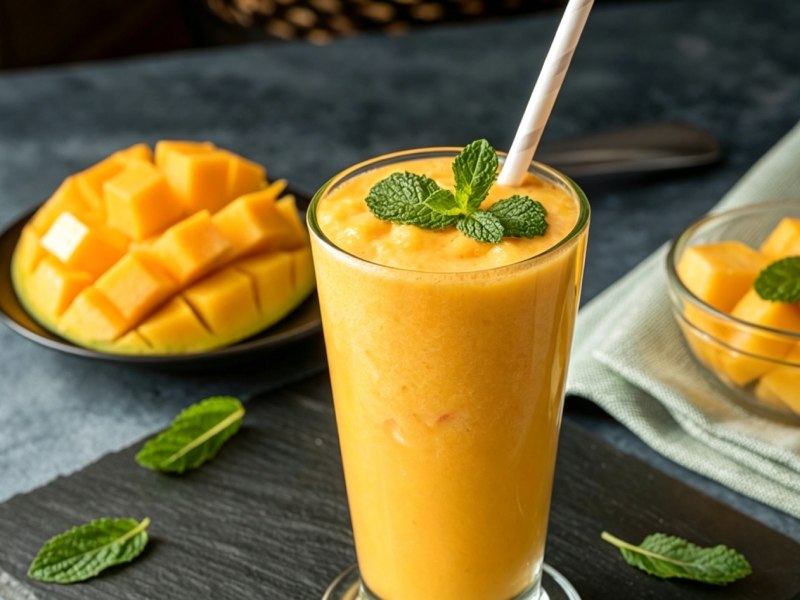
This guide helps food processing enterprises to understand the working principle, technical differences, applicability of raw materials and key conditions that need to be confirmed before purchasing. In addition, the guide also combines equipment selection with actual processing requirements, aiming to help commercial buyers make informed decisions.
How Does an Industrial Fruit Pulping Machine Work?
The specific structure of different equipment may be different, but the common beating process usually includes the following four steps.
Prepare raw materials
Fruits need to be inspected and cleaned first. According to the characteristics of raw materials, some fruits need to be peeled, pitted, cut or softened.
The purpose of pretreatment is not only to remove impurities, but also to reduce the hard parts that are not suitable for entering the beating equipment and make the feeding state more stable.
Mechanical beating
After the fruit enters the beating area, it is subjected to mechanical action under the action of rotor, scraper or other working parts, so that the edible pulp is separated from some skins, seeds, cores or fibers.
The actual separation mode depends on the equipment design. For raw materials with large stone or hard seeds, it is necessary to confirm whether the equipment can be safely handled or whether the pre-stone removal process is needed.
Part of the beating equipment separates the pulp from the larger solid residue through the screen. The mesh size will affect the fineness, particle retention and treatment performance of fruit puree.
However, the smaller the sieve hole, the better. Too fine screening conditions may increase the resistance, reduce the treatment efficiency, or make the equipment more susceptible to fiber and grain blockage.
The mashed fruit may enter the processes of storage, mixing, homogenization, heat treatment or filling, depending on the product formula, storage method and food safety requirements.
Therefore, when purchasing industrial fruit pulper machine, we should not only look at the beater itself, but also consider whether its output state can meet the requirements of subsequent processes.
What Are the Differences Between Fruit Pulping Technologies?
Industrial fruit-pulping equipment does not operate in just one way. When selecting such equipment, you should first clearly define the specific separation challenge you need to address, and then compare the various available technologies.
Traditional beating and centrifugal extraction
Traditional pulping equipment usually completes pulp separation through mechanical action and screening. Centrifugal extraction equipment uses the centrifugal effect produced by rotation to help separate different components.
When choosing, it is recommended to focus on comparison:
- Texture of target product: Do you need to keep certain pulp particles, or do you need more delicate and uniform fruit puree?
- Raw material structure: Does the fruit contain a lot of fiber, fine grains or easily broken tissues?
- Residue separation requirements: What solid components need to be separated? How many particles are allowed to remain?
- Handling capacity: Can the equipment achieve the required stable handling capacity under the actual raw material conditions?
- Cleaning and maintenance: Is it convenient to disassemble, inspect and clean the parts that come into contact with materials?
To understand the difference between the two technologies, you can read centrifugal vs. traditional fruit pull extraction. This article focuses on technical comparison, and this guide explains the factors that need to be considered when purchasing from the perspective of overall equipment selection.
Single-Stage vs. Multi-Stage Pulping
The complexity of your target product dictates the configuration of your pulper.
- Single-Stage Pulper: Suitable for basic processing with low roughness requirement, or as pretreatment step. It adopts a single cylinder screen and a rotor assembly.
- Double-Stage Pulper: It has two continuous beating chambers. In the first pass, a screen with larger aperture is used for preliminary separation, and in the second pass, a finer screen is used. This is the industry standard for producing smooth and high-quality puree such as tomato sauce or applesauce.
- Triple-Stage Pulper: Used for high-end products that require extremely delicate and completely free of tiny fibers.
For detailed information about a specific machine, its configuration, and available specifications, visit the industrial fruit pulping machine product page.
How to Choose a Fruit Pulping Machine for Different Fruits
Fruit maturity, pulp hardness, fiber content, grain size and stone structure will all affect the selection of equipment. Therefore, it is not possible to determine the appropriate machine just by the name of the fruit.
Important note: The above contents are the characteristics of raw materials that need to be considered when selecting equipment, and do not mean that the same machine can directly process all fruits. For multi-variety production, it is recommended to provide specific raw material information to suppliers and conduct sample testing when conditions permit.
What Should You Check Before Purchasing an Industrial Fruit Pulper Machine?
- Raw Material Type and Condition : Make clear the variety, maturity, peeling and core removal, feeding form of the fruit, and whether the raw materials are fresh, frozen or pretreated.
- Finished Product Requirements : State whether you need puree, pulp or other fruit substrate, and specify the requirements of particle size, fiber retention and grain separation.
- Actual Processing Capacity : Clear the unit and statistical caliber of the target treatment capacity, such as the weight of raw materials processed per hour or the weight of fruit puree obtained per hour. The two are not the same.
- Screening and Separation Requirements : Determine the solid components to be separated, the screening accuracy and the acceptable residue according to the target product. Specific screen specifications should be based on equipment design and actual test results.
- Cleaning and Maintenance : Confirm the material, disassembly method, cleaning process, wearing parts and daily maintenance requirements of the parts that come into contact with materials.
- Downstream Processing Requirements : If the puree needs to be homogenized, sterilized, concentrated or filled, it should be confirmed whether the output of the beating equipment can meet the feeding requirements of the subsequent equipment.
How Is Fruit Pulping Equipment Selected for a Commercial Project?
The selection of equipment depends not only on the specifications of a single machine, but also on the types of raw materials, processing objectives and the needs of subsequent links.
During a requirements discussion for a Mexican fruit puree production line project recently, the customer put forward the requirements of multi-variety raw material treatment, initial capacity target, and subsequent sterilization and packaging.
You can read the case study Mexico factory automatic fruit puree production line to learn more about the specific needs of the project and the considerations in equipment planning.