Centrifugal vs. Traditional: Extracting Purer Fruit Pulp for Food Processing
Ten years ago, if you walked into a mid-sized juice factory, you would probably have found workers crowded around an old pulping machine. Pulp ran down an open trough. The air smelled like fermenting fruit. Nobody minded much. “Good enough” was the standard, and it worked.
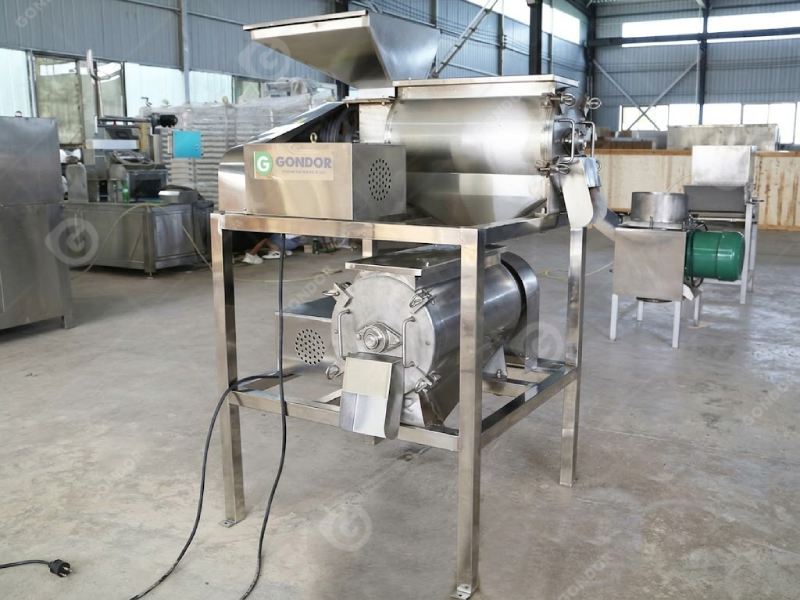
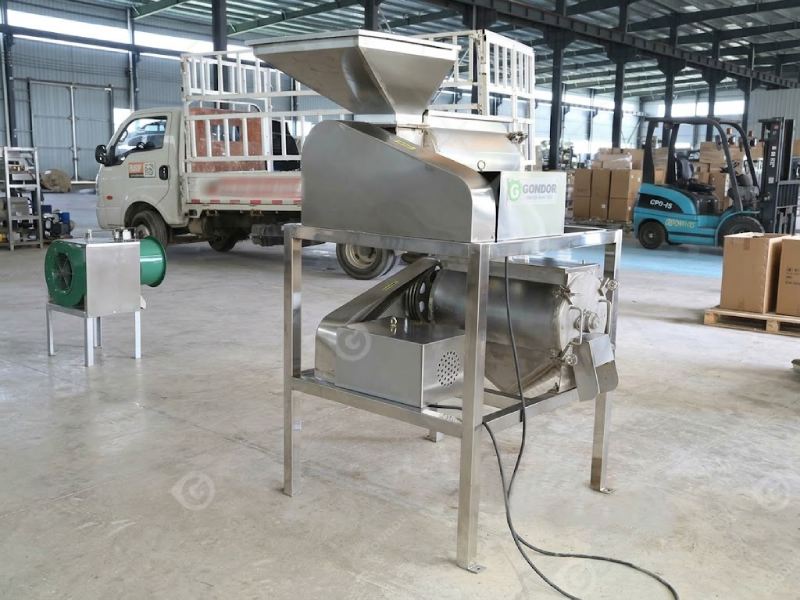
That standard does not work anymore. Consumers now want natural ingredients, no additives, and texture smooth enough for baby food. The pulp has to be cleaner and more consistent than what old methods can deliver. So the industry is shifting. More facilities are replacing manual and low-efficiency processing with fruit pulping machine that use centrifugal separation technology. This article compares centrifugal pulping with traditional methods, and explains why the difference matters for food processors who need better output without wasting raw material.
I. Where traditional pulp extraction falls short
Start with the old way of doing things.
- Manual processing cannot keep up
Traditional pulp production depends on manual crushing, filtering, and pressing. The output varies with whoever is on shift. One operator gets a decent yield from a batch of mangoes; another gets noticeably less. That kind of variability is manageable at small volumes. It falls apart when a 50-ton order lands on the schedule.
- Too much flesh ends up in the waste
Conventional filtering does not separate flesh from peel, seeds, and pits very well. A lot of usable pulp stays trapped in the residue and gets thrown out. With raw material prices rising every year, that is real money leaving the plant. For berry processing specifically, traditional methods can lose 15% to 20% of the flesh. Most processors operate on thin margins. They cannot absorb that kind of loss for long.
- Hygiene and consistency are hard to control
Open workflows expose pulp to air and whatever is in the environment. Microbial contamination is a constant concern. Batch-to-batch consistency is also a problem. Getting the same taste, color, and density every time is difficult when the process depends on manual steps. Retailers and brand owners check these metrics closely. If you cannot hold tolerances, you lose contracts.
II. How centrifugal fruit pulpers get cleaner results
So what does centrifugal technology actually do differently?
- High-speed rotation separates fast
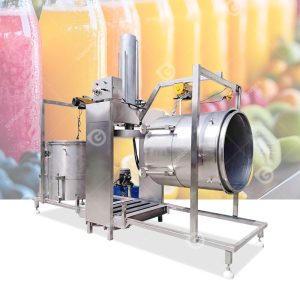
A centrifugal fruit pulper works on a simple idea. A high-speed rotating component creates centrifugal force. After fruit is pre-crushed, that force pushes flesh away from pomace quickly. Think of it like a spin dryer, but instead of pulling water out of clothes, it pulls pure pulp away from skin, seeds, and fiber. More centrifugal force means better separation. Fewer coarse fibers and peel fragments make it into the final product.
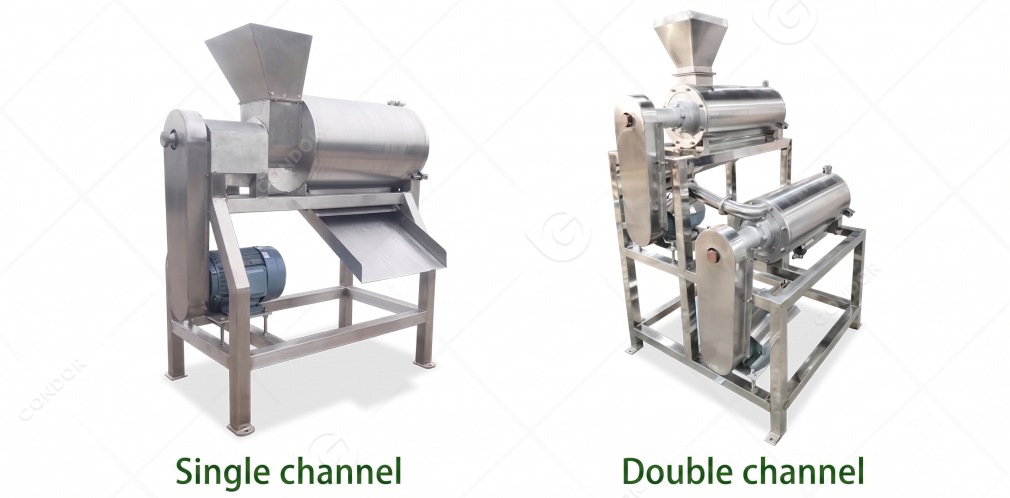
- Interchangeable screens control quality
These machines come with screens in different mesh sizes. Processors swap them depending on what they are making. Baby fruit puree calls for a fine mesh to get a smooth, almost liquid texture. Jam can use a coarser screen if you want some pulp bits in the finished product. Traditional methods do not offer this kind of adjustability. The screen design also removes pits, peels, and coarse fibers while keeping the fine flesh, so the pulp tastes better and holds together longer on the shelf.
- Automated processing cuts labor and contamination risk
Modern centrifugal equipment runs a closed loop: continuous feeding, automatic separation, and centralized collection. Operators mostly monitor rather than handle material. This speeds up production and reduces the chance of human contact with raw pulp. For plants working toward HACCP or ISO 22000 certification, that matters. Less handling means fewer contamination vectors to document and control.
III. Centrifugal vs. traditional: the side-by-side comparison
Put both methods next to each other and the differences are obvious.
| What you are comparing | Traditional processing | Centrifugal pulping |
|---|---|---|
| Pulp purity | High flesh loss, more impurities in the pulp | Cleaner separation, fewer peel and seed fragments |
| Extraction rate | Low, with visible waste in the residue | Higher yield per ton of raw fruit |
| Production efficiency | Works for small batches, does not scale well | Handles continuous, high-volume runs |
| Fruit types | Limited by the method and setup | Mangoes, tomatoes, apples, berries, peaches, and more |
| Hygiene | Open process, higher contamination risk | Enclosed design, easier to keep clean |
- Purity and extraction rate
Traditional methods lose flesh. Centrifugal technology releases more of the usable material from the fruit, so you get more pulp per ton of raw input. The numbers add up. A 3% to 5% improvement in extraction rate sounds small. But if you process thousands of tons a year, that is a meaningful amount of product you would otherwise have thrown away.
- Efficiency and capacity
Traditional processing works for small batches. It does not scale. When a plant needs to run continuously at high volume, industrial fruit pulpers are the only realistic option. One machine can run around the clock. Its throughput is dozens of times what a manual crew can manage.
- Application range
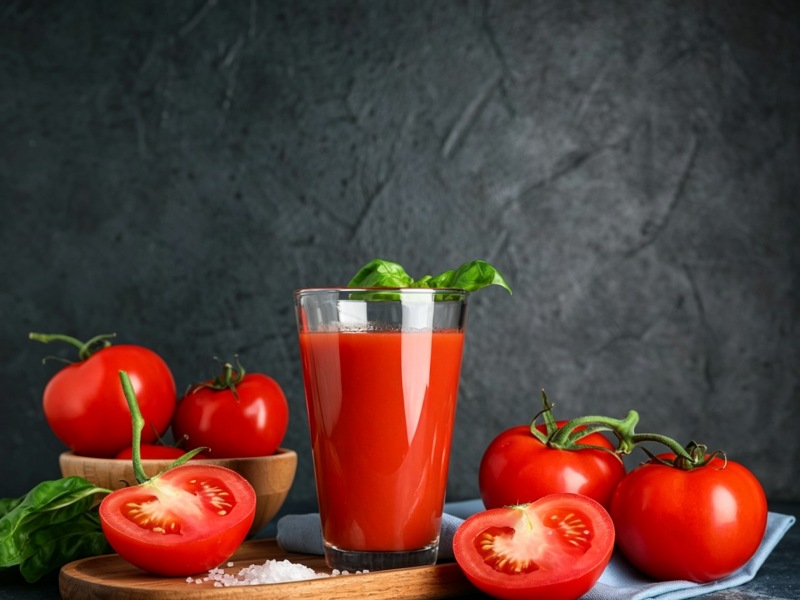
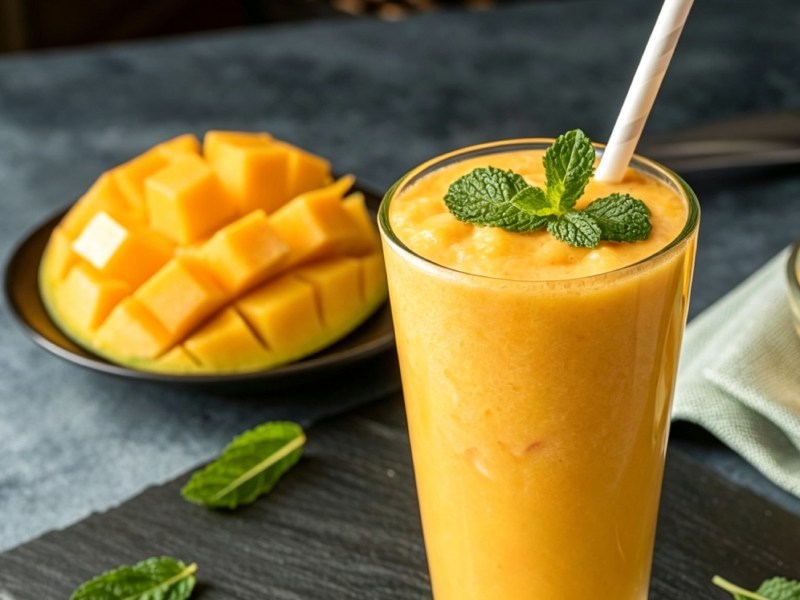
Centrifugal equipment handles mangoes, tomatoes, apples, berries, peaches, and other fruits without major reconfiguration. That makes it useful across juice production, jam manufacturing, concentrated pulp, and food ingredient processing. One machine, multiple products. For companies watching their capital expenditure, that flexibility matters.
IV. What food processors are looking for now
A few shifts in the industry are driving equipment decisions.

Conclusion: Choosing the right pulp extraction equipment
The food industry is not going to stop pushing for better quality and less waste. Centrifugal fruit pulping technology addresses both. It delivers cleaner pulp, holds higher volumes, and works across more fruit types than traditional methods. A good fruit pulping machine is an investment that pays back through better yield, lower labor costs, and fewer quality complaints.
We manufacture food processing machinery and build complete fruit processing lines for clients at different scales. If you are setting up a new juice production line or upgrading an existing pulp workshop, the equipment you choose will shape your output for years. It is worth getting right.