How to Make Peanut Butter with a Complete Peanut Butter Production Line
In the global food market, peanut butter is no longer a product exclusive to a certain region. Whether on the breakfast tables of North American families or in the baking, seasoning, and snack food sectors of markets in Asia, Africa, and the Middle East, peanut butter enjoys a stable and extensive consumer base. As consumers’ demands for taste, nutrition, convenience, and food safety continue to rise, peanut butter products have gradually shifted from traditional family-style, artisanal production to standardized, large-scale, and automated manufacturing.
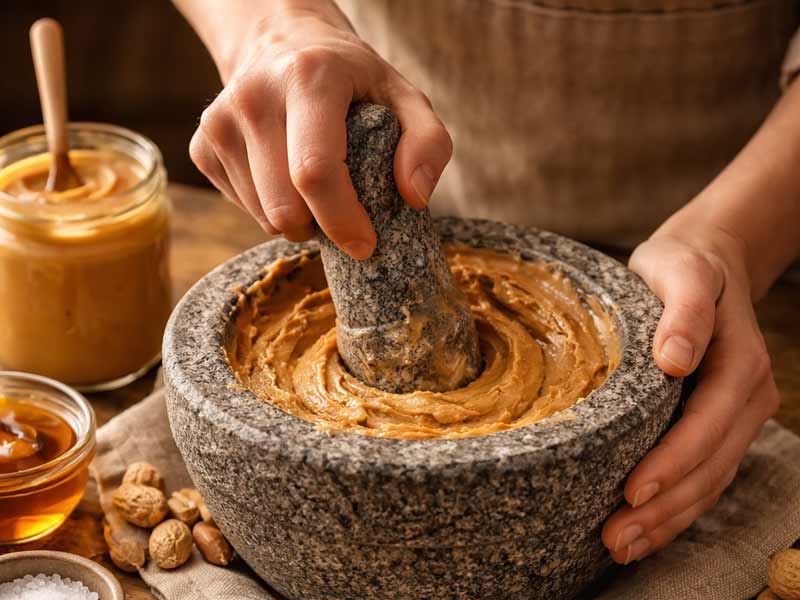
Handmade peanut butter undoubtedly has its own unique charm, such as small batch production, personalized flavors, and intuitive production methods. However, it often struggles to ensure stable output, consistent texture, controllable shelf life, and uniform hygiene standards. For food processing enterprises, what the market truly needs is a complete solution that can efficiently and stably transform raw peanuts into bottled finished peanut butter. Therefore, a complete fully automatic peanut butter production line is becoming an important choice for more and more food factories, nut processing enterprises, and seasoning brand companies to expand production capacity and improve quality.
How Is Peanut Butter Produced on the Peanut Butter Production Line?
On the surface, peanut butter seems to be as simple as grinding peanuts. But the truly stable and high-quality industrial production process is far more complex than that. Whether the finished peanut butter is rich in flavor, smooth and creamy, whether it is prone to oil separation, whether it has a beautiful and natural color, and whether it can remain stable during storage and transportation, all of these depend on a complete set of scientific, continuous and controllable production processes.
Core Step 1: From Raw Peanuts to Crispy Kernels
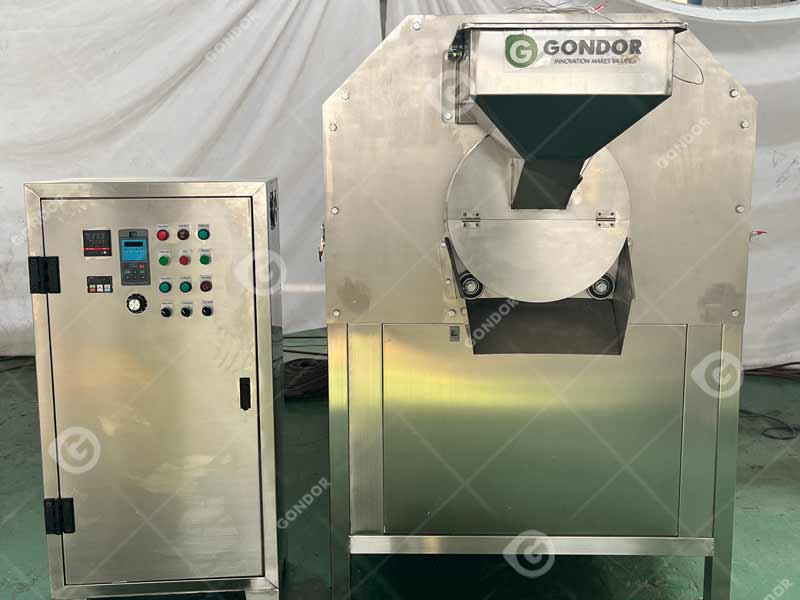
The starting point of all high-quality peanut butter is the precise stimulation of the flavor of the peanut raw materials. In a complete peanut butter processing product line, continuous baking machines and cooling belts usually undertake this crucial task.
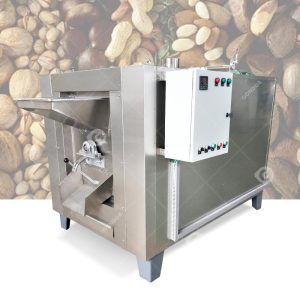
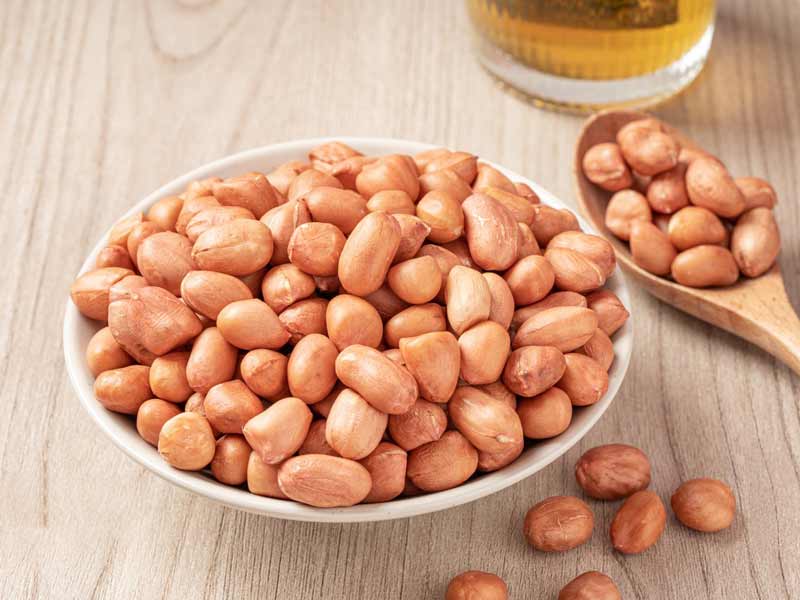
After entering the continuous baking machine, the raw peanuts will be uniformly heated under the preset temperature and time conditions. This process may seem ordinary, but it actually has a significant impact on the final flavor. Insufficient baking results in insufficient release of peanut aroma, leading to a peanut butter with a raw flavor and insufficient layers; while excessive baking can easily cause overly dark color, increased bitterness, and even affect the oil state during subsequent grinding. Therefore, the value of industrial equipment lies in its ability to achieve consistent baking effects for each batch of peanuts through precise temperature control and continuous conveying rhythm.
Core Section 2: The Foundation of Purity and Texture
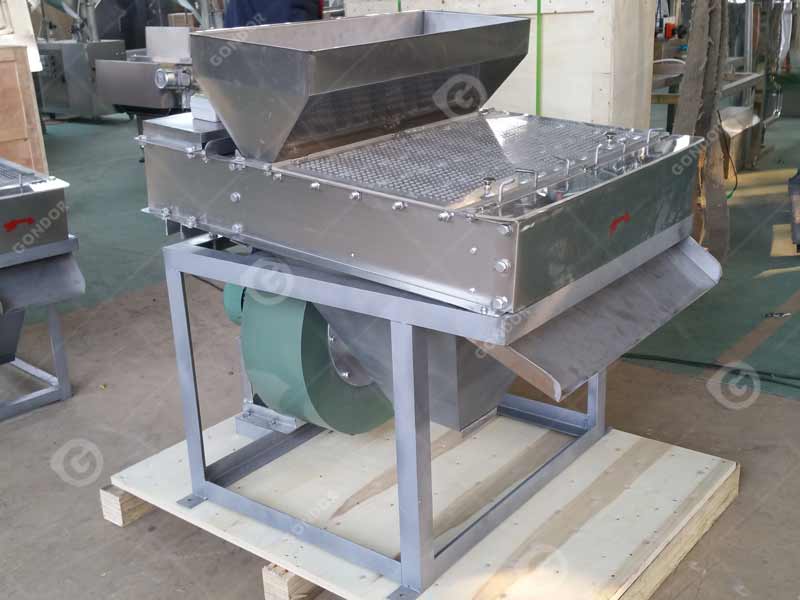
If roasting determines the basic aroma, then peeling and selection determine the “cleanliness” and taste limit of peanut butter. This process is usually accomplished by a peeling machine along with infrared or manual picking belts.
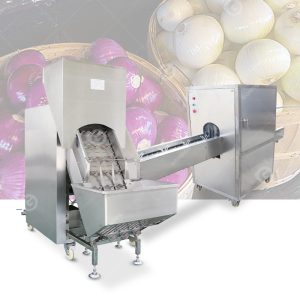
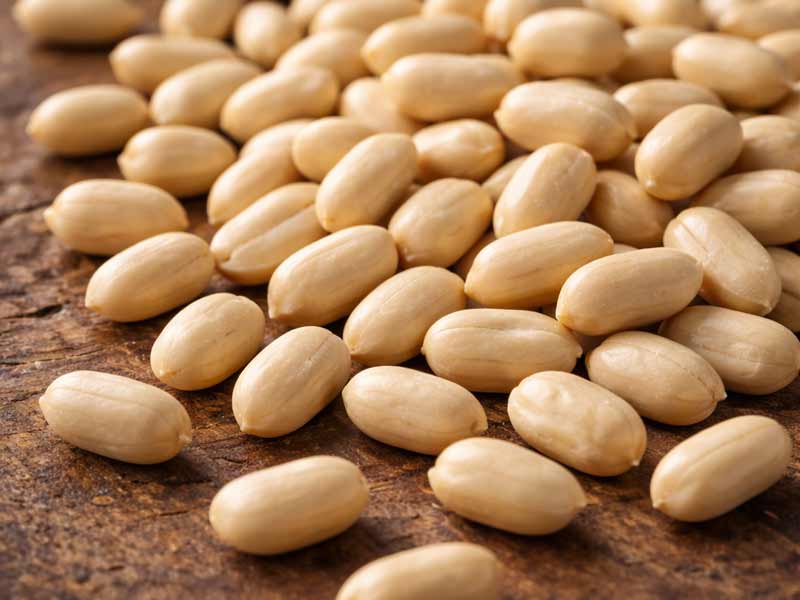
After being baked, the peanuts enter the peeling machine, and the red coating on the surface will be effectively removed. At the same time, the peanut kernels can be divided into halves or in a state more suitable for subsequent processing. Removing the red coating is not merely for making the peanuts look cleaner; more importantly, it can reduce the bitter taste in the finished product and make the peanut butter taste more smooth and pure. For peanut butter products that aim for high-end quality or export standards, this step is particularly important.
Subsequently, the peanut kernels will pass through an infrared sorting equipment or be manually sorted to further remove impurities, foreign objects, uncleaned skins, and substandard particles. In industrial production, any tiny foreign object, bitter particles, or risk points of moldiness could potentially escalate into quality hazards for the entire batch of products. Therefore, sorting is not an optional auxiliary process; rather, it is a crucial step that directly affects food safety, color uniformity, and flavor purity.
Core Section 3: Precise Grinding Process
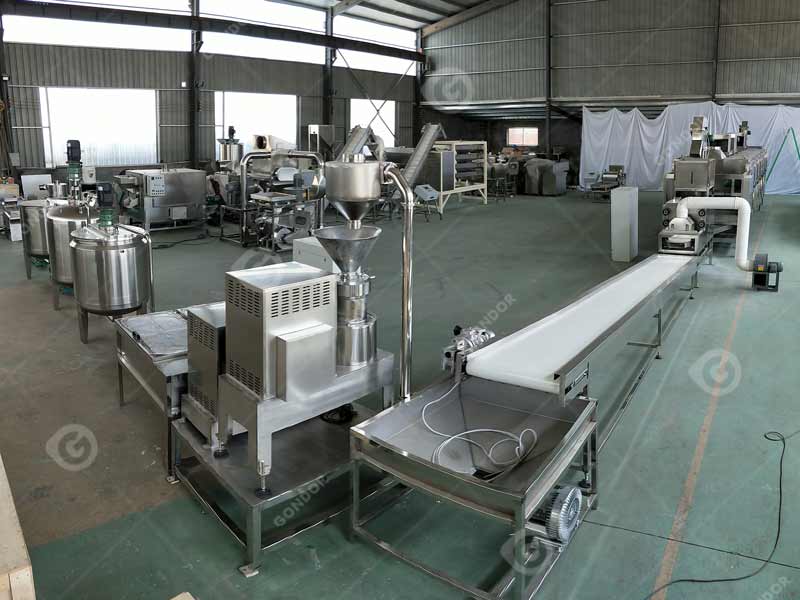
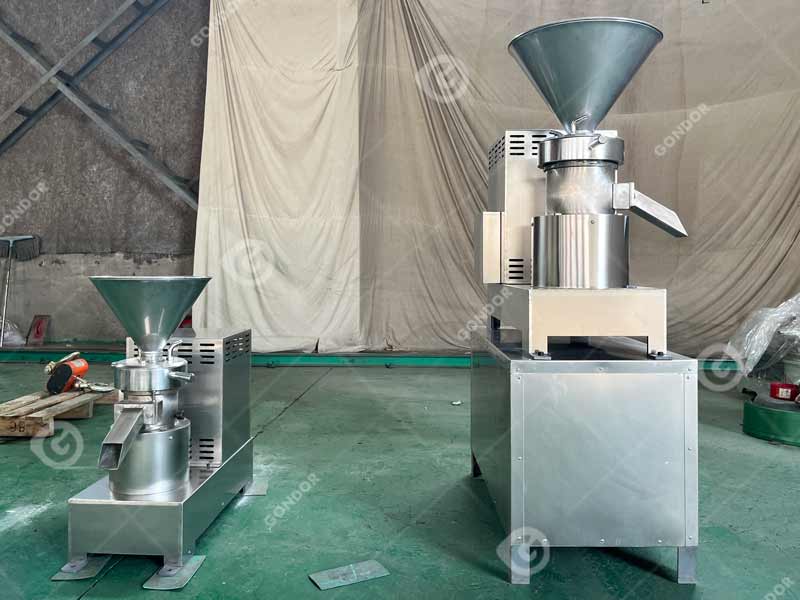
After the raw materials have completed the processes of baking, cooling, peeling and selection, the next step is the most crucial and also the part that best reflects the technical level in the entire production line – grinding. Common configurations include coarse grinding machines, fine grinding machines (colloid mills) and a corresponding cooling system.
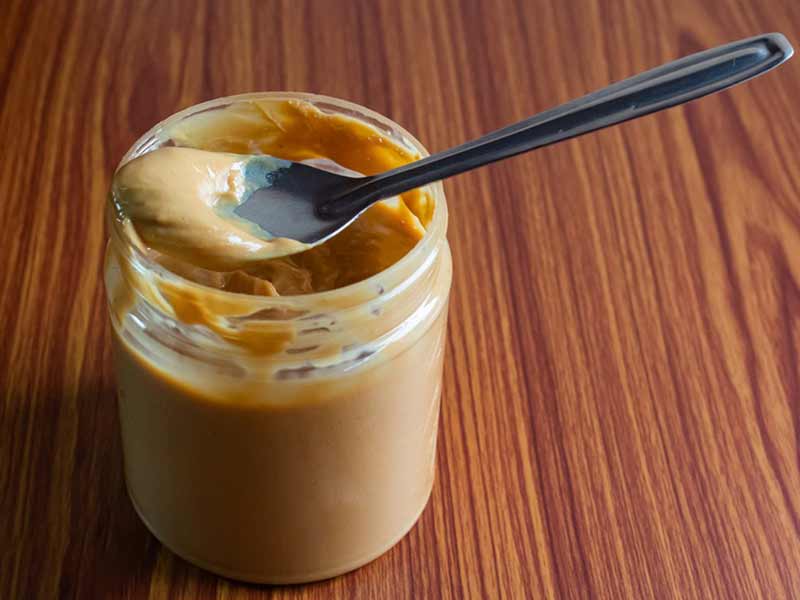
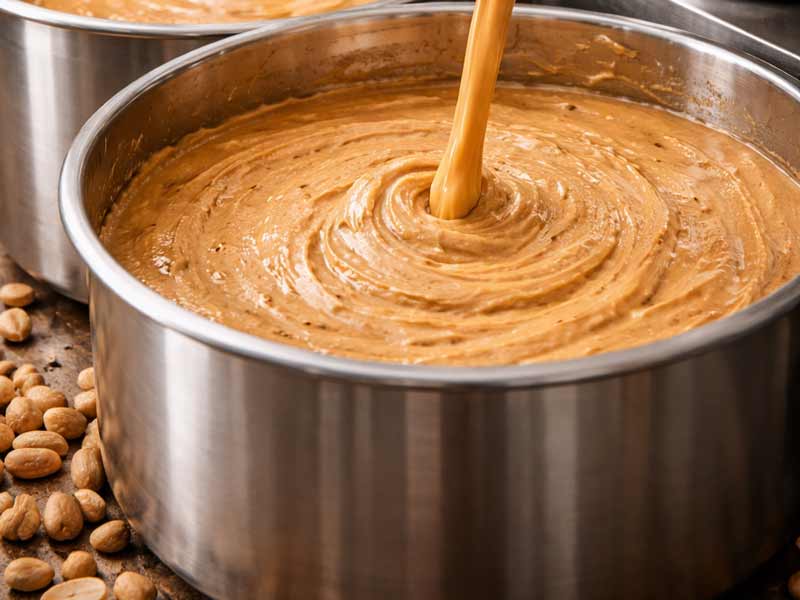
Firstly, the peanut kernels will enter the coarse grinder for initial crushing and emulsification treatment. The function of the coarse grinder is to transform the originally larger particles into more uniform primary peanut paste, creating conditions for the subsequent fine grinding process. Then, the material enters the fine grinder, also known as the colloid mill. Through high-speed shearing, friction and grinding, the peanut butter is further refined to a more ideal particle size. With the proper configuration of the secondary grinding process, the finished peanut butter usually achieves a more delicate and smooth texture, better meeting the expectations of modern consumers for a “smooth and creamy” taste.
However, grinding is not as simple as “the finer the better”. During continuous production, mechanical friction will cause temperature rise, and excessively high temperatures may lead to oxidation of the oil, affecting the flavor, color and shelf stability of the peanut butter. Therefore, mature peanut butter production lines usually have a cooling system to help control the grinding temperature and minimize the quality loss caused by heat accumulation.
Core Section 4: Stable Quality and Vacuum Degassing
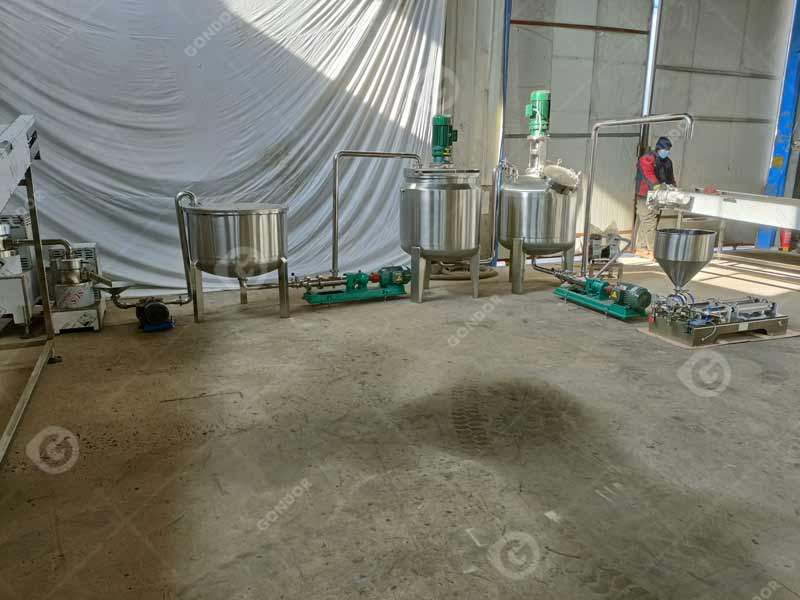
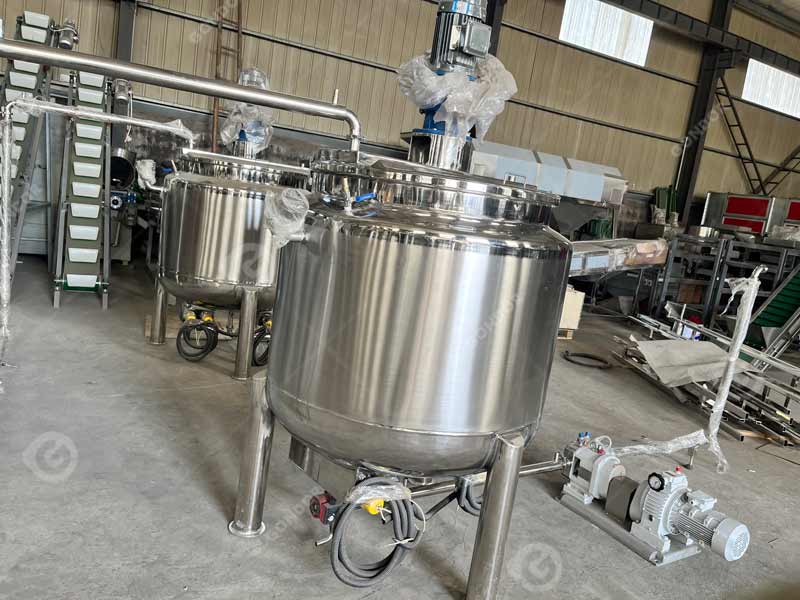
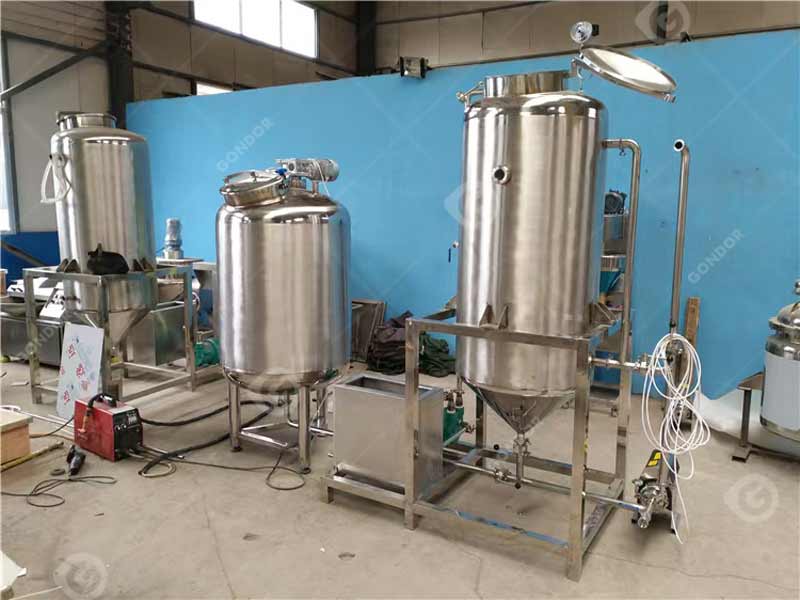
After grinding, the peanut butter has basically taken shape. However, to make it truly capable of being commercialized, further blending and stabilization processing are required. This is usually accomplished by a mixing tank and a vacuum degassing system.
In the mixing tank, enterprises can add the appropriate amounts of salt, sugar, emulsifiers or other auxiliary materials according to the product formula, so as to make the peanut butter meet the target requirements in terms of flavor, texture and structure. In particular, the reasonable addition of emulsifiers helps to improve the uniformity of the peanut butter, reduces the phenomenon of oil stratification, and enables the finished product to maintain a better stable state during storage.
At the same time, the role of the vacuum degassing system cannot be ignored. During the grinding and stirring processes, tiny air bubbles are often mixed into the materials. If these bubbles are not removed in time, it will not only affect the appearance and filling state of the peanut butter, but also may to some extent affect the shelf life and the stability of the finished product’s structure. Through vacuum degassing, the content of air bubbles can be effectively reduced, making the peanut butter more delicate and dense, and at the same time improving the commercial appearance and overall quality of the product.
Application of the Complete Peanut Butter Production Line
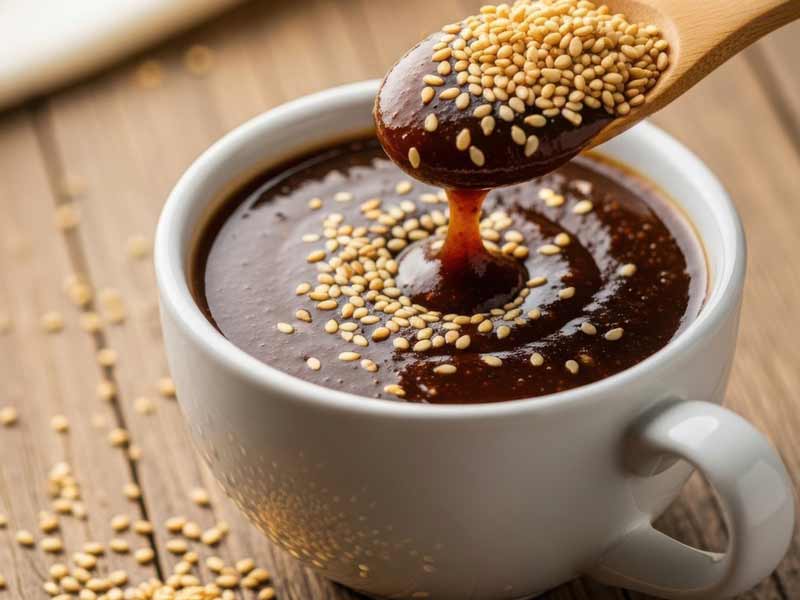
A complete peanut butter processing line machine is not only suitable for regular peanut raw materials, but can also process different varieties and different degrees of roasting of peanut kernels according to process requirements, and can be extended to be applied to the production of products such as granular peanut butter, smooth peanut butter, and seasoned peanut butter. Some enterprises will also develop products like sesame paste, nut paste or mixed paste based on similar processes. Therefore, this type of production line has strong scalability and commercial value.
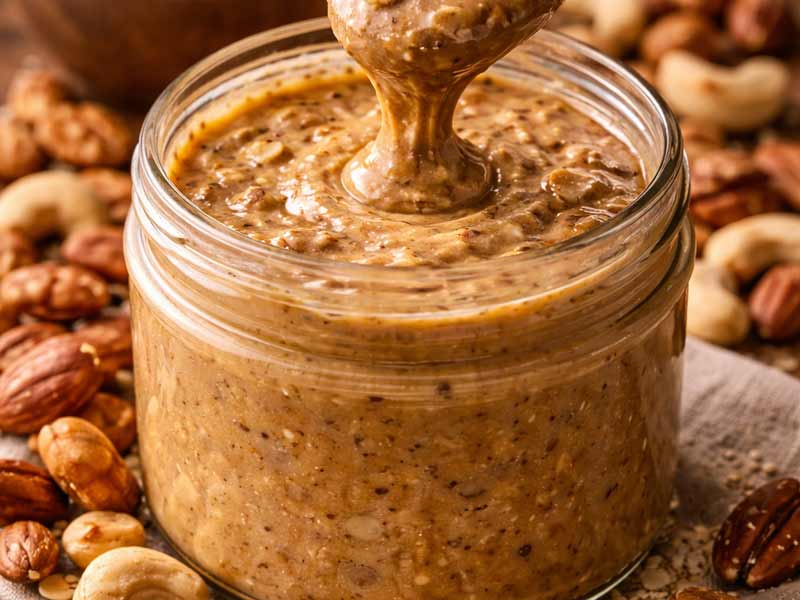
Gondor Offers You Peanut Butter Production Solutions
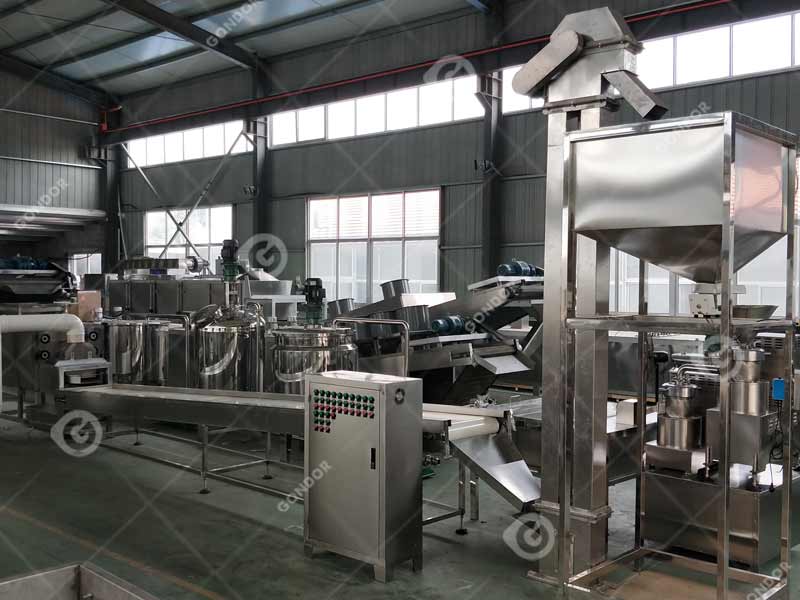
In modern food manufacturing, enterprises are increasingly focusing not only on “whether it can be produced”, but also on “whether it can be produced stably, safely and economically for a long term”. This is why fully enclosed and fully automatic peanut butter production lines are becoming increasingly popular. Compared with traditional decentralized and semi-manual processing methods, automated production lines have obvious advantages in terms of hygiene management, cost control, capacity planning, product consistency and branding development.
Gondor Machinery can provide customers with peanut butter processing machine solutions, ranging from single machines to complete line configurations, from small-scale trial production to large-scale commercial production. We can design them reasonably according to different needs. We understand that food machinery is not just a combination of equipment, but a system engineering closely related to the characteristics of raw materials, product positioning and market goals. Therefore, during the scheme design process, we will combine the customer’s requirements for output, texture, formula, automation level and factory space to help the customer choose a more suitable process route and equipment configuration.