Understanding What Does Tomato Paste Do with a Tomato Paste Production Line
In many kitchens, tomato paste might just be a seemingly unremarkable small can or a bag of deep red concentrated seasoning. However, anyone who truly understands cooking knows that tomato paste is the concentrated essence of tomato flavor. It can make the flavor of a stew richer, the sauce for pasta more layered, and the pizza base sauce have a fuller color and aroma. In short, the value of tomato paste lies not in “quantity”, but in “the quality after concentration”.
So, why does tomato paste offer such a distinct umami flavor, balanced sweetness and sourness, and deep color? The answer lies not only in the tomato itself, but also in the processing method behind it. High-quality tomato paste cannot be simply obtained through simple boiling; it relies on the precise control of every step, including cleaning, crushing, heating, concentration, cooling, and packaging, by modern tomato paste production lines.


What Is the Core Value of Tomato Paste in Cooking?
The reason why tomato paste has long held a significant position in the catering and food manufacturing industries is that it can quickly “enhance” the flavor of dishes. Compared to fresh tomatoes, tomato paste has undergone water removal and concentration, retaining and strengthening the natural acids, sweeteners, and flavors in tomatoes. Therefore, only a small amount is needed to make the overall taste of the dish more concentrated.
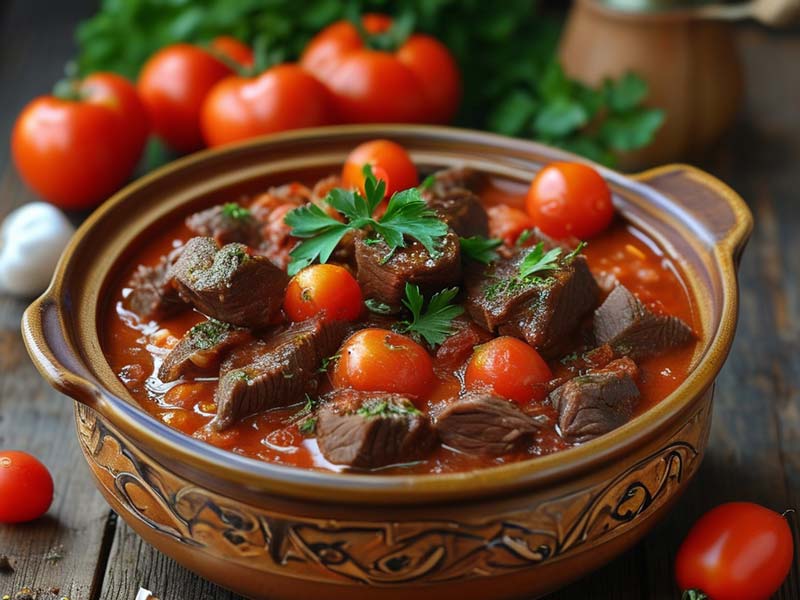
More importantly, during the cooking process, tomato paste is often not used directly diluted but is first stir-fried or heated. This process promotes further development of the flavor. Especially when making meat sauces, red sauces, beef stews, thick soups and compound seasonings, tomato paste, under the influence of oil and heat, can present a more round and rich taste. Strictly speaking, the Maillard reaction occurs more between sugar and amino compounds, while tomato paste, during high-temperature cooking, also accompanies caramelization of sugar, acid balance and aroma release. Therefore, it significantly enhances the “richness” of the flavor. Also because of this, many chefs regard tomato paste as a key ingredient for “establishing the base flavor”.

How Is Tomato Paste Produced on the Tomato Paste Processing Line?
From an industrial perspective, making tomato paste is not as straightforward as simply “cooking the tomatoes until they thicken”. The production of truly high-quality tomato paste involves a complex system of control over hygiene, temperature, time, pressure and concentration. Every detail of the process will affect the viscosity, color, aroma and stability of the final product.
1. Raw Material Selection, Cleaning and Sorting
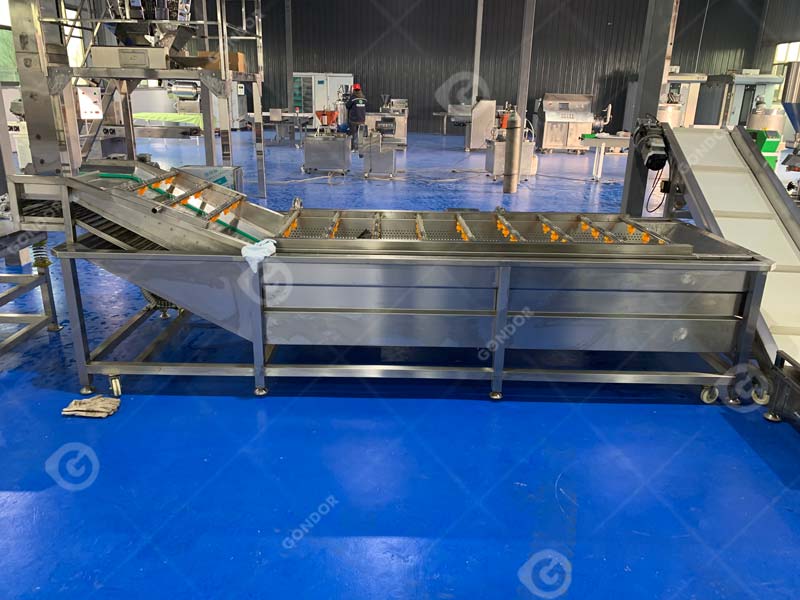
Everything begins with the raw materials. Tomatoes with moderate maturity, uniform color and high soluble solids are more suitable for making tomato paste. In industrial production, after tomatoes enter the workshop, they are usually lifted and conveyed first, and then enter the cleaning system. The purpose of cleaning is not only to remove sand, leaves and impurities, but also to reduce the risk of equipment wear and product contamination in the subsequent process.


2. Crushing and Picking
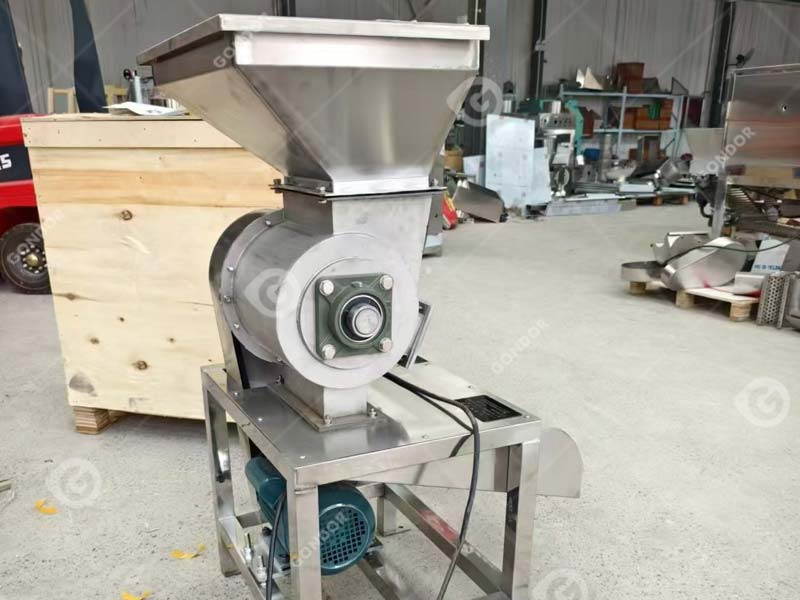
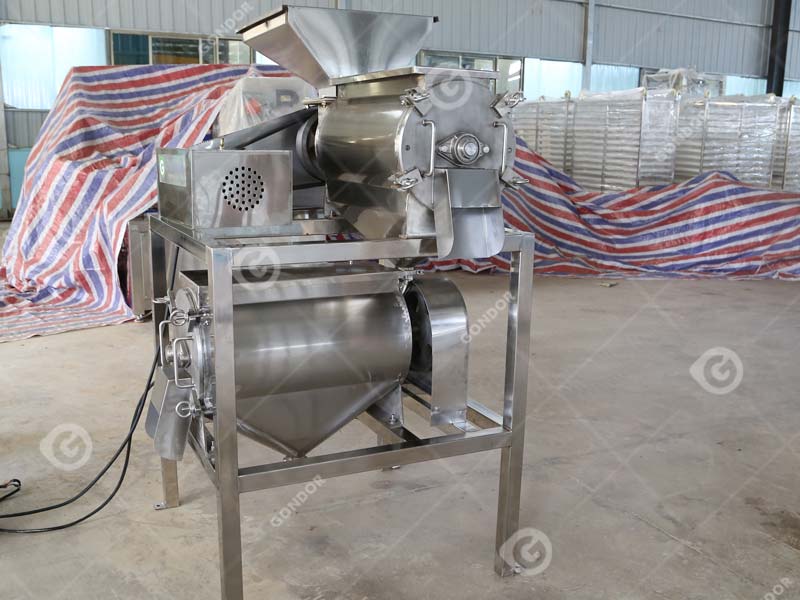
The washed and sorted tomatoes will then proceed to the crushing or pressing process. Appropriate crushing particle size helps release the flesh structure, improving the efficiency of subsequent heating and concentration, and also affects the uniformity of the tomato puree. For production enterprises, this step not only relates to the utilization rate of raw materials, but also to the continuity of the entire production line and energy consumption performance.
If the crushing is not thorough enough, the release of the pulp will be insufficient, which may affect the juice yield; while if the processing is excessive, it may also increase unnecessary fine particles, affecting the subsequent sieving and taste. Therefore, a stable crushing system and matching conveying design are indispensable foundations in industrial tomato processing.
3. Cold Break and Hot Break Technology
In the tomato processing industry, cold break and hot break are two crucial concepts. They are not merely a matter of temperature differences, they directly determine the viscosity performance and application direction of the products.
Cold breaking is usually carried out at lower temperatures, which is more conducive to preserving the fresh flavor of tomatoes and is suitable for producing tomato juices and tomato sauce products with good fluidity. Hot breaking, on the other hand, involves rapid heating at higher temperatures, which can more effectively inactivate enzyme activity and reduce the degradation of pectin. Therefore, it is more suitable for producing tomato pastes, tomato sauces or products requiring a thick texture.
From a practical application perspective, if the customer’s product is mainly targeted at pizza sauce, compound seasoning sauce or concentrated base, then the hot breaking process usually has more advantages; while if it leans towards seasoned tomato products, it can be flexibly adjusted according to the target taste. Professional tomato paste production lines often can provide more suitable process solutions based on the customer’s product positioning.
4. Multi-effect Vacuum Evaporation
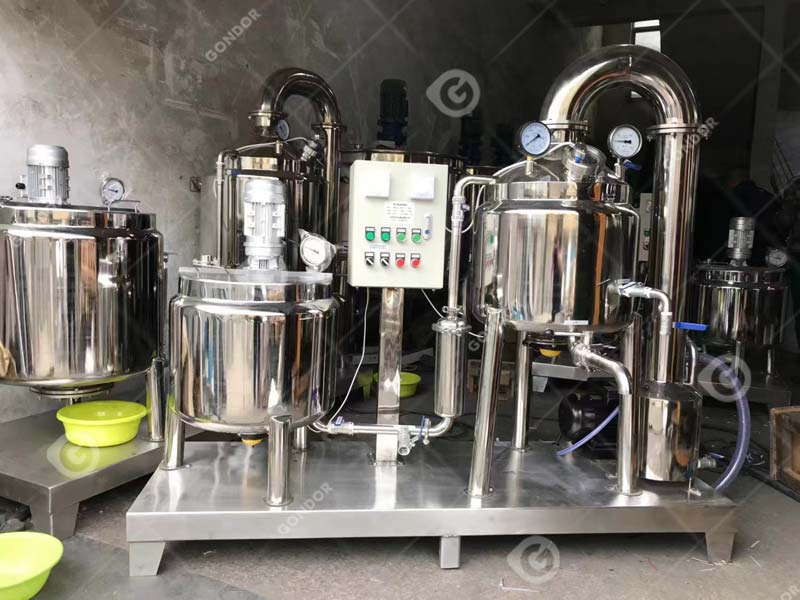
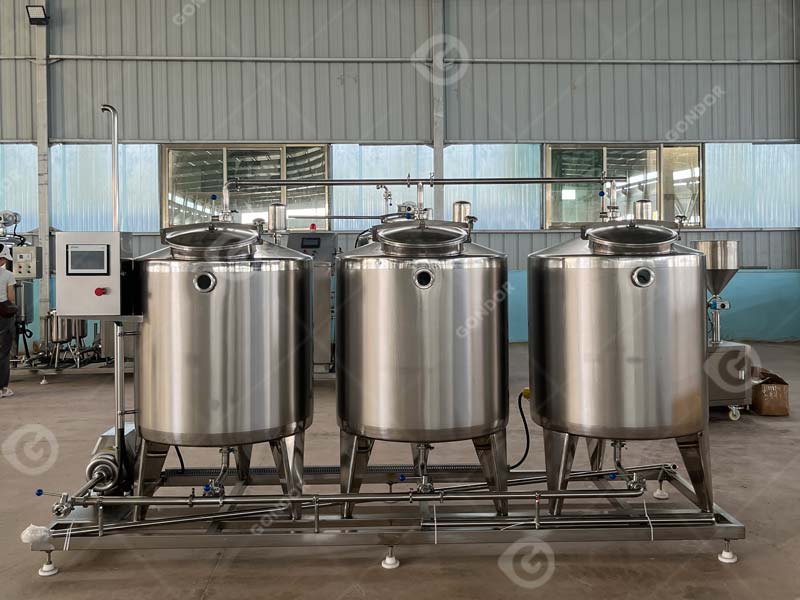
If the front end determines the raw material basis, then the concentration stage is the core step where the true value of tomato paste is formed. In industrial production, the multi-effect vacuum evaporation system is widely used for tomato paste concentration. Its advantages lie in: in a vacuum environment, water can evaporate at a lower temperature, thereby reducing the damage caused by high temperatures to color, aroma, and nutritional components.
This step is particularly crucial for tomato paste. Because tomato products are highly susceptible to browning, flavor loss, or a “overcooked” texture when subjected to prolonged high-temperature processing. Vacuum low-temperature evaporation can not only increase the concentration but also better preserve the original bright color and natural aroma of tomatoes. For large-scale factories that prioritize stable quality, multi-effect evaporation not only has high efficiency and good energy-saving performance, but also helps the products more easily meet the requirements of standardized production.
5. Cooling, Filling and Packaging
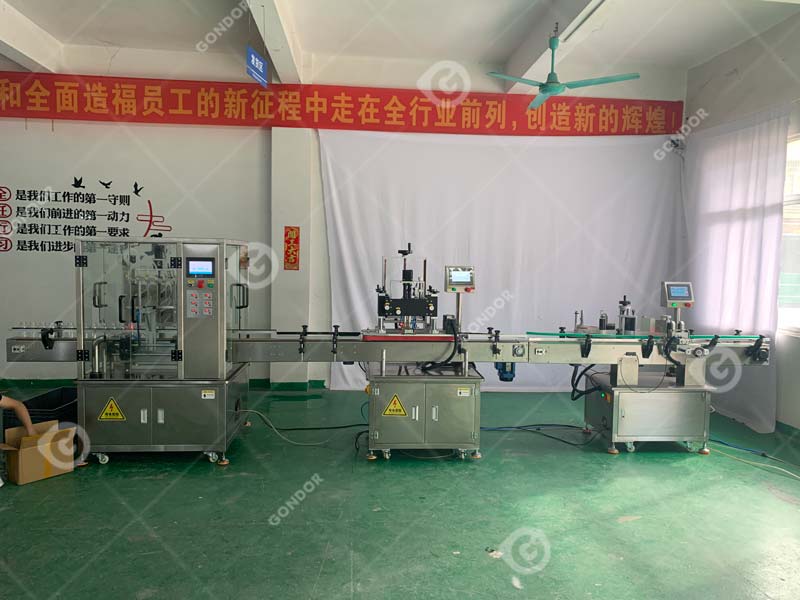
After the thickening process is completed, the tomato paste usually needs to be cooled or undergo a short-term buffer period before entering the filling and packaging system. Depending on the market demands, the finished product can be packaged in small bags, small cans, or small bottles, or it can be transferred to a sterile bag, large barrel or ton barrel packaging system to meet the bulk purchasing and long-distance transportation needs of industrial customers.
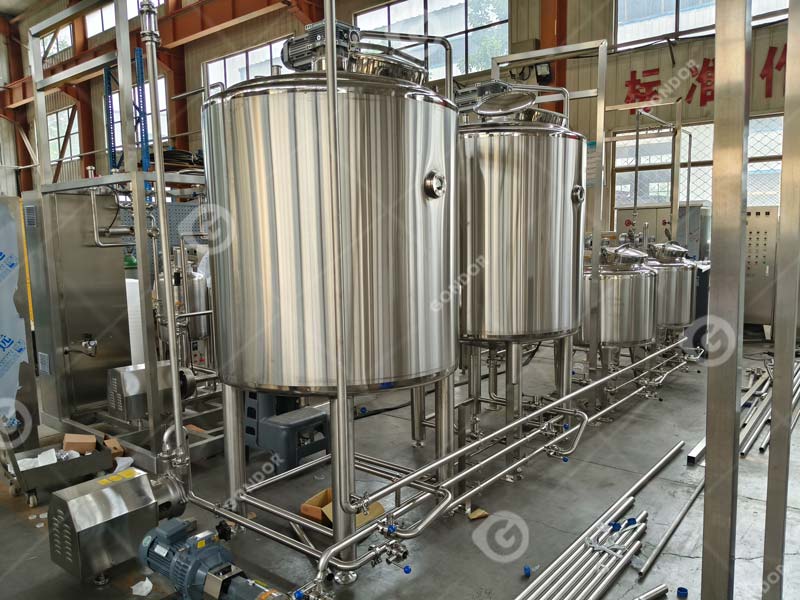
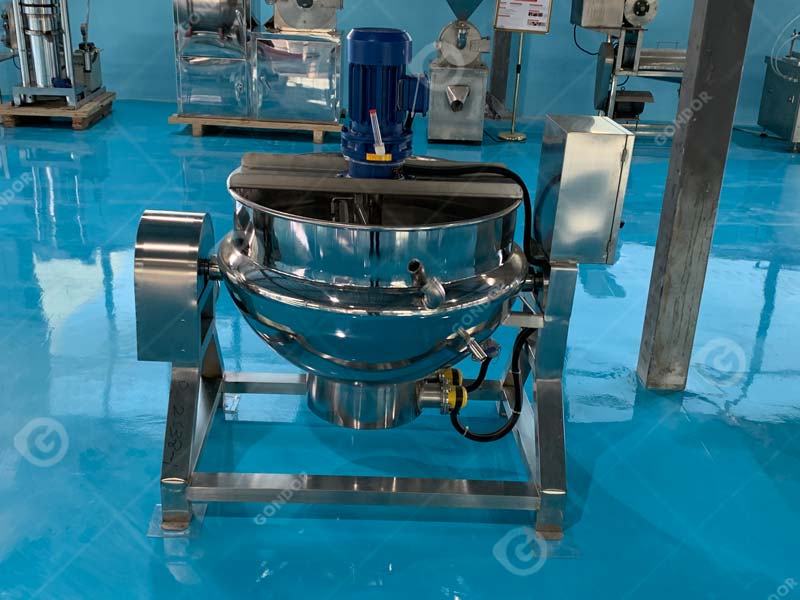
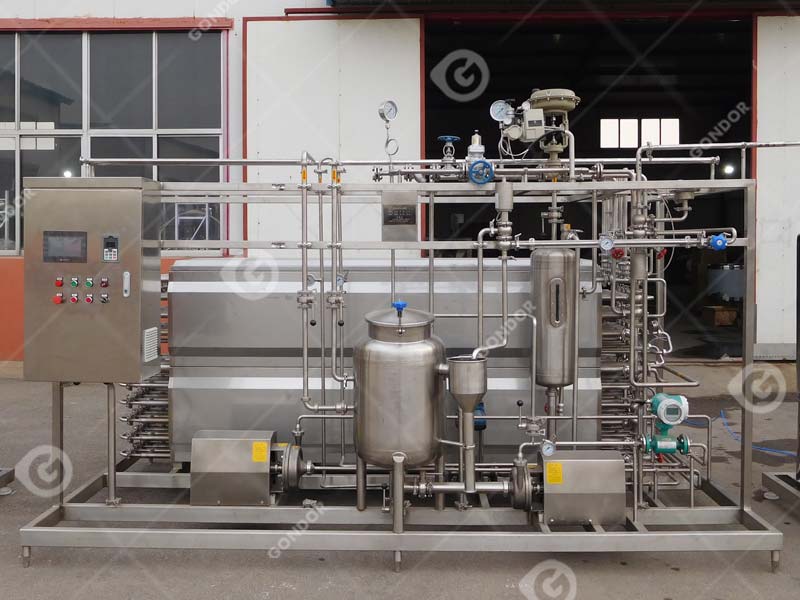
The complete basic process flow is usually: Cleaning → Sorting → Pressing/Breaking → Cooking → Concentration → Cooling → Filling and Packaging
How Widespread Are the Final Applications of Processed Tomatoes?
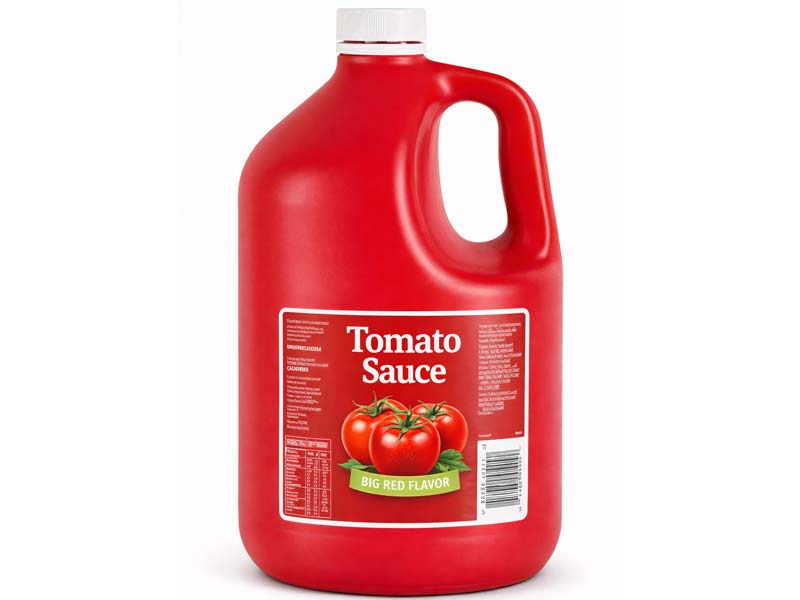
The commercial potential of tomato paste largely stems from its strong extensibility. For the retail market, it can be made into small-sized packages commonly found in home kitchens, facilitating consumers to prepare pasta sauces, soups, stews, pizza, and bean stews. For the catering channels, tomato paste can serve as an efficient and stable standardized raw material, helping central kitchens and chain restaurants quickly mix various sauces.
In the industrial sector, the application of tomato paste is even more extensive. It can serve as the basic ingredient for pizza sauce, tomato sauce and tomato seasoning sauce. It can also be incorporated into ready-to-eat meals, canned foods, compound seasonings, instant soup bases, and pre-prepared food recipes. Especially in large-scale food manufacturing, concentrated tomato paste, due to its high transportation efficiency, long storage period, and stable flavor, has become the preferred semi-finished raw material for many factories.


Gondor Machinery Offers You Professional Processing Solutions for Tomato Paste
High-quality tomato paste cannot be achieved without high-quality tomato raw materials, but it also requires advanced, stable and hygienic production line technology. For food processing enterprises, what truly matters is not how beautiful the single tomato sauce making equipment parameters are, but whether the entire line can achieve stable operation, controllable quality, reasonable energy consumption and flexible expansion.
Gondor Machinery specializes in food processing equipment solutions. It can provide matching tomato paste production line schemes based on the customer’s raw material conditions, target production capacity, final product concentration, packaging methods, and factory conditions. From front-end cleaning and sorting, to crushing, preheating, concentration, filling, and back-end packaging, we pay more attention to the overall line’s collaborative efficiency and the final competitive performance of the product in the market.