How does a complete fruit juice production line turn fruit into juice?
With the increasing demand from consumers for natural beverages, freshly squeezed juices and functional drinks, the juice processing industry is rapidly developing towards standardization, automation and high hygiene standards. What seems like a simple bottle of juice actually involves multiple processes such as raw water treatment, raw material cleaning, crushing and juicing, blending and homogenization, degassing and sterilization, filling and packaging.
A complete juice production line is not merely about “pressing out the juice” from fruits. Instead, it involves scientific process control to retain the flavor, color and nutrients of the fruits while ensuring product stability and food safety.
Composition of a Fruit Juice Production Line
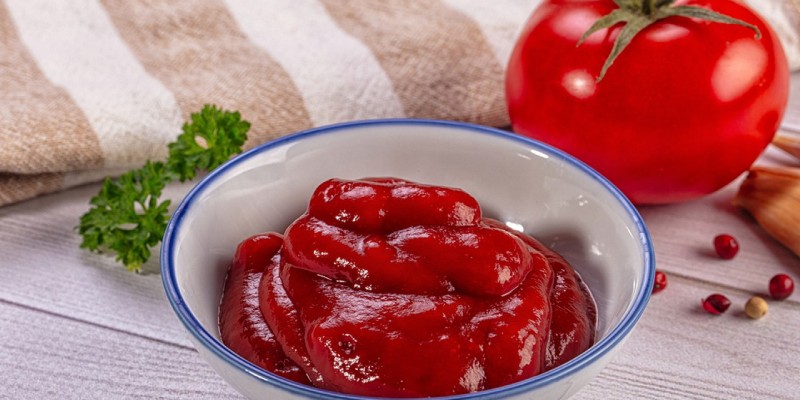
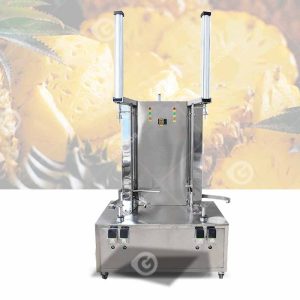
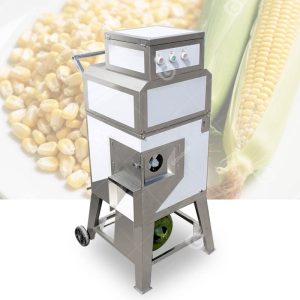
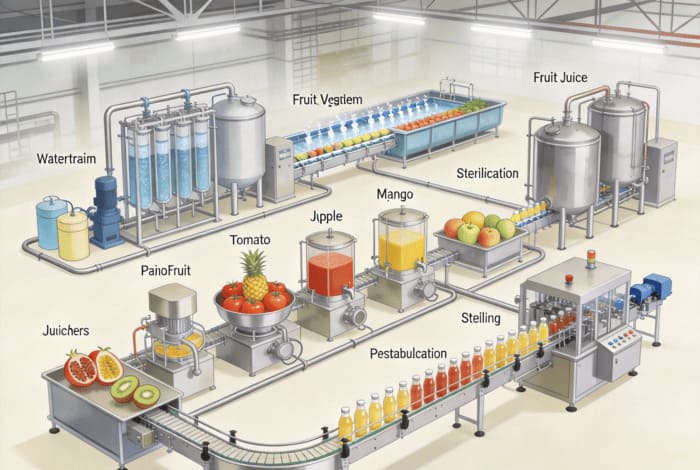
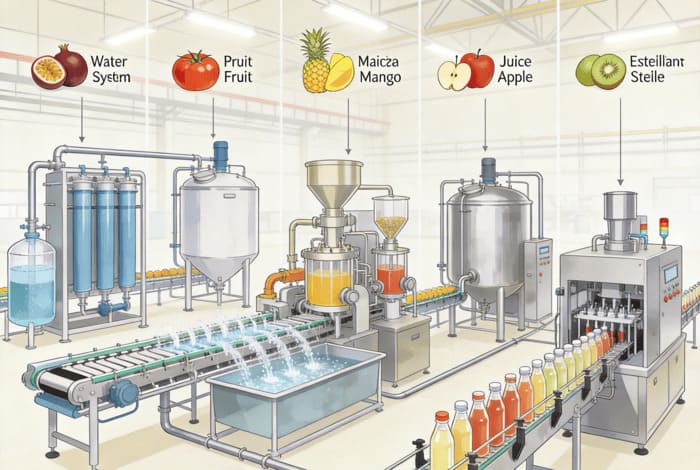
A complete fruit juice production line typically consists of a water treatment system, a fruit and vegetable cleaning system, a juicing system, a blending and sterilization system, and a bottling system. These stages are interconnected, forming a continuous production process. Different fruits require different juice extraction methods; for example, passion fruit, tomato, pineapple, mango, apple, and kiwi often require different core equipment based on the fruit’s texture, juice content, fiber content, and finished product requirements.
I. The First Step in Juice Production: Water Treatment
In the minds of many people, the starting point of juice production is the arrival of fruits at the factory. However, in reality, industrialized juice production usually begins with water treatment. This is because water plays a crucial role in the processes of cleaning fruits, preparing the juice, cleaning the equipment, and even the steam-assisted steps. If the water quality is unstable, it will not only affect the taste of the juice but also may impact the subsequent equipment operation and product hygiene and safety.
The water treatment system is mainly used to remove impurities, odors and some microorganisms from the raw water, thereby improving the purity of the production water. The treated water can be used for fruit cleaning, raw material blending and production auxiliary processes, providing a stable basic condition for the entire production line. For beverage processing plants with higher requirements, water treatment not only affects the final product quality but also relates to the long-term stable operation of the entire production line.
II. Raw Material Washing and Sorting
After entering the production line, fruits first undergo cleaning and sorting. This is a very important pre-treatment step in the juice production process. Because during the picking, transportation and storage of fruits, their surfaces often have mud, fruit wax, impurities and even remaining leaves. If they are not cleaned thoroughly, the purity and taste of the subsequent juice products will be affected.
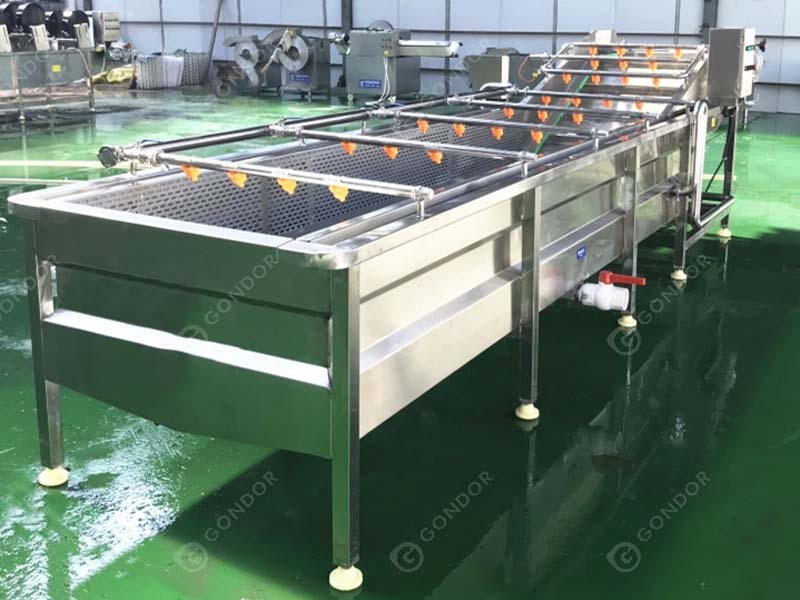
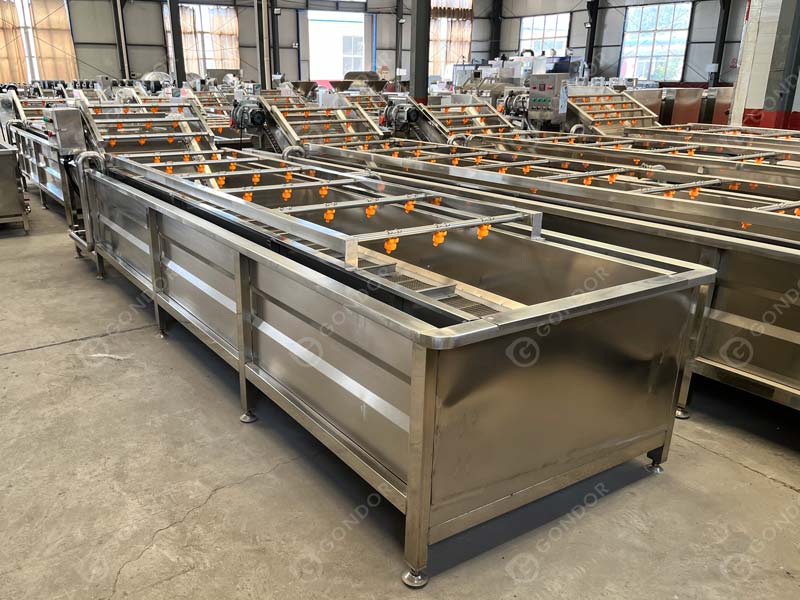
Usage of Bubble Cleaning Machines
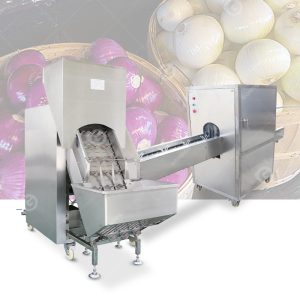
The fruit and vegetable cleaning system can adopt forms such as bubble cleaning machines and brush cleaning machines. Bubble cleaning is more suitable for fruits with thinner skins that are prone to damage, as it removes surface dirt through water flow flipping and bubble impact; brush cleaning is more suitable for round or relatively solid-skinned fruits, such as apples, pears, and kiwis, which achieve more thorough cleaning through brush roller friction.
After the cleaning process is completed, a sorting stage usually follows. This stage mainly involves removing rotten fruits, unripe fruits, and foreign objects to ensure that the raw materials entering the next process are as uniform and consistent as possible. For the production of high-quality juice, the maturity and freshness of the raw materials directly determine the flavor foundation of the juice.
III. Crushing and Juicing
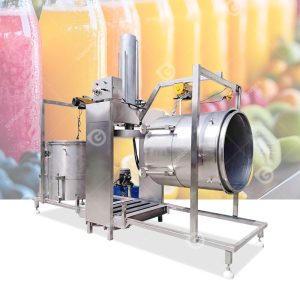
After the fruits have been cleaned and sorted, they usually need to be crushed to facilitate the more efficient extraction of juice in the subsequent process. The structure of different fruits is different, so the juicing equipment will also vary. The juicing methods include roller juicers, screw juicers, pulping/pressing equipment, hydraulic juicers, and dual-stage filtration and other supporting units. This indicates that this production line has strong adaptability.
For instance, fruits with high juice content and soft flesh can be processed using a gentler juicing method to avoid excessive damage; fruits with more fibers or tighter tissues are better suited for spiral squeezing or pulping extraction. For certain juice products that require retaining the texture of the fruit pulp, a moderate balance will be achieved between juicing and filtration to obtain a taste that better meets market demands.
After juicing, the juice often still contains pulp, coarse fibers, and seed fragments and other substances. Therefore, it needs to go through the filtration process. The function of filtration is not simply “removing impurities”, but rather it is to control the clarity and taste based on the product specifications. For example, clear juice beverages often require higher filtration accuracy, while fruit-based beverages will retain some natural fruit flesh components, making the final product more rich and natural.
IV. Blending, Homogenization, and Deaeration
After obtaining the pure juice, it does not mean that it can be directly bottled. Industrialized juice products usually require additional key processing steps such as blending, homogenization, and degassing. During this process, equipment such as mixing tanks, homogenizers, and vacuum degassers can be used. These devices collectively determine the taste, stability, and shelf life performance of the juice.
The first step is blending. In actual production, the sugar-acid ratio, soluble solids content, juice concentration, and the proportion of additives of the juice need to be adjusted according to the requirements of the target product. For blended juices, flavored juices, or fruit-pulp-containing beverages, this step is particularly important. Through precise blending, the product can better meet market demands in terms of acid-sweet balance, color presentation, and overall flavor.
Next comes homogenization. The purpose of homogenization is to make the fine particles, lipid-soluble components or suspended substances in the juice more evenly distributed, preventing problems such as layering, sedimentation or rough texture in the final product. After homogenization, the overall taste of the juice will be more delicate, and the appearance will be more uniform. This is especially suitable for products like mango juice, pineapple juice, and tomato juice that contain some fruit pulp or viscosity.
Next comes degassing. During the processes of crushing, transportation and blending, air may be mixed into the juice. These oxygen molecules will accelerate the loss of flavor, color changes, and even affect the subsequent sterilization and filling effects. A vacuum degassing machine can remove the dissolved oxygen and some bubbles from the juice, thereby improving product stability, extending shelf life, and also helping to maintain the natural color and flavor of the juice.
V. Sterilization Treatment
Fruit juice is a perishable food. After juicing, microbial activity increases more easily, therefore sterilization is essential. Fruit juice production lines can be equipped with systems such as tubular UHT sterilization equipment for instantaneous high-temperature sterilization of the juice.
The core purpose of sterilization is to reduce microbial risk and ensure the safety of the finished product while minimizing nutrient and flavor loss. Modern fruit juice production often employs continuous heat treatment methods, completing sterilization in a short time through precise temperature and time control, before quickly proceeding to subsequent processes. This improves production efficiency and better preserves the original aroma and color of the juice.
The sterilization parameters are not entirely the same for different types of fruit juice. Clarified juice, concentrated juice, fruit pulp beverages, and high-acid or low-acid drinks are all designed differently based on product characteristics in actual production. Therefore, a mature fruit juice production line is not just a simple assembly of equipment, but a systematic integration of process logic and parameter control.
VI. Filling and Packaging: From Qualified Juice to Commercialized Products
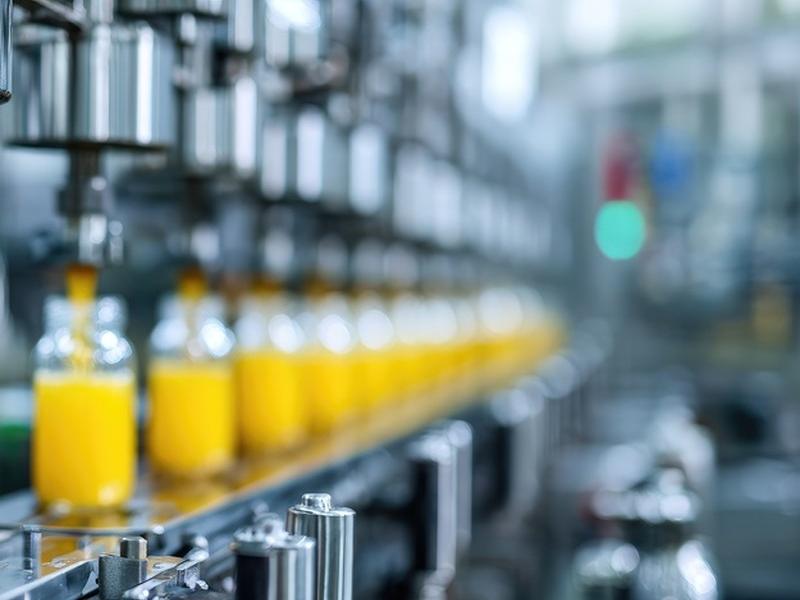
The processed juice then enters the filling system. As mentioned in the figure, the filling process usually includes bottle washing, filling, and cap sealing, with the aim of packaging the qualified juice in a stable form into the final product under hygienic conditions.
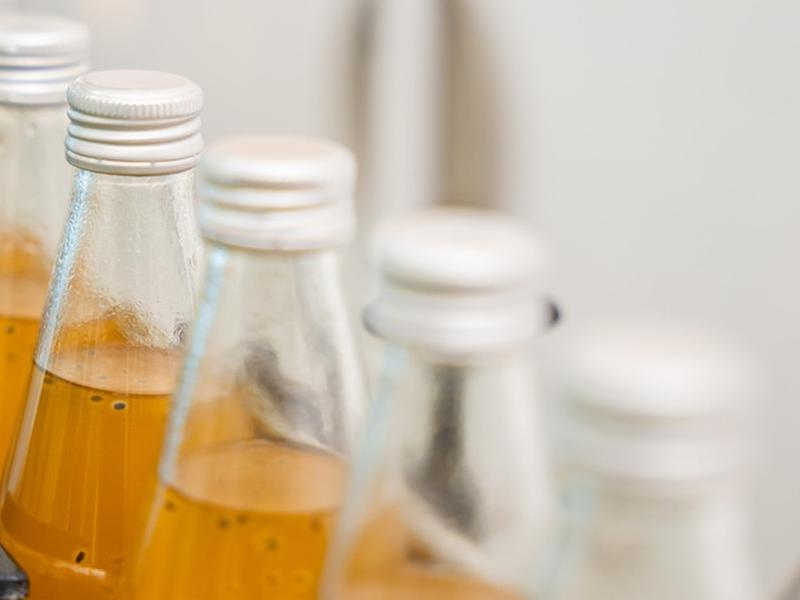
The selection of filling equipment will vary depending on the packaging form. For instance, glass bottles, plastic bottles, cans or other containers all require different filling methods. The advantage of an automated filling system lies in its high speed, high precision, stable hygiene level, and the ability to effectively reduce human contact and improve production consistency.
For modern beverage enterprises, packaging is not only a tool for holding products, but also relates to brand image, transportation efficiency and terminal sales performance. Therefore, an efficient juice production line usually takes into account both the front-end processing and the back-end packaging in a coordinated manner, ensuring a complete closed loop from raw materials to finished products.
VII. Different fruits, different processing methods, production lines can be flexibly configured.
The juice production line can be widely applied to the processing of various fruits such as passion fruit, tomato, pineapple, mango, apple, and kiwi. Different fruits have significant differences in hardness, fiber content, juice yield, seed structure and fruit flesh condition. Therefore, when configuring it in practice, customized designs are usually adopted.
For instance, mangoes and kiwis place greater emphasis on the smoothness of the fruit pulp, while apples and tomatoes focus more on the efficiency of crushing and pressing. Pineapples and passion fruits, on the other hand, have higher requirements for pulp removal, separation and filtration. This also indicates that the juice production line is not a fixed template but a flexible system engineering that is combined based on the characteristics of the customer’s raw materials, target production capacity, product type and investment budget.
Conclusion: The essence of modern juice production lines lies in the balance between efficiency and quality.
Overall, a modern juice production line is a complete solution that transforms fruits through a series of processes such as cleaning, sorting, crushing, juicing, filtering, blending, homogenization, degassing, sterilization, and filling, into safe, stable, and marketable finished products. It not only enhances processing efficiency but also significantly improves product consistency and hygiene standards.
For juice processing enterprises, choosing the right production line is not merely about the quantity of equipment; it also depends on whether the process is compatible with the raw materials, whether the configuration is in line with the product positioning, and whether the system has the ability to operate stably for a long term. Only by integrating the equipment capabilities with the process design can one truly produce juice products with stable quality, good taste, and meeting market demands.