How to Make Mango Pulp: Step-by-Step Guide Using a Fruit Pulper
In the global food industry, mango pulp is a highly valuable raw material. From tropical fruit juices and concentrated beverages to ice cream, yogurt, baking fillings and high-end desserts, mango puree is involved in almost the entire fruit product chain. As consumers’ demands for natural taste and stable quality continue to rise, food processing enterprises have also set higher requirements for the production efficiency and hygiene standards of mango pulp.
However, in many small and medium-sized processing factories and even some export-oriented enterprises, mango pulp is still processed manually through peeling, cutting, pressing or using simple equipment. This traditional method has low yield, high waste, and is highly dependent on manual skills. It is difficult to maintain consistency between batches. More importantly, manual operations have obvious shortcomings in terms of hygiene control, large-scale production, and cost control.
Working Principle of the Mango Pulp Machine
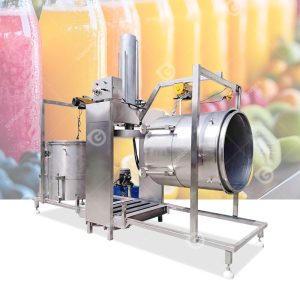
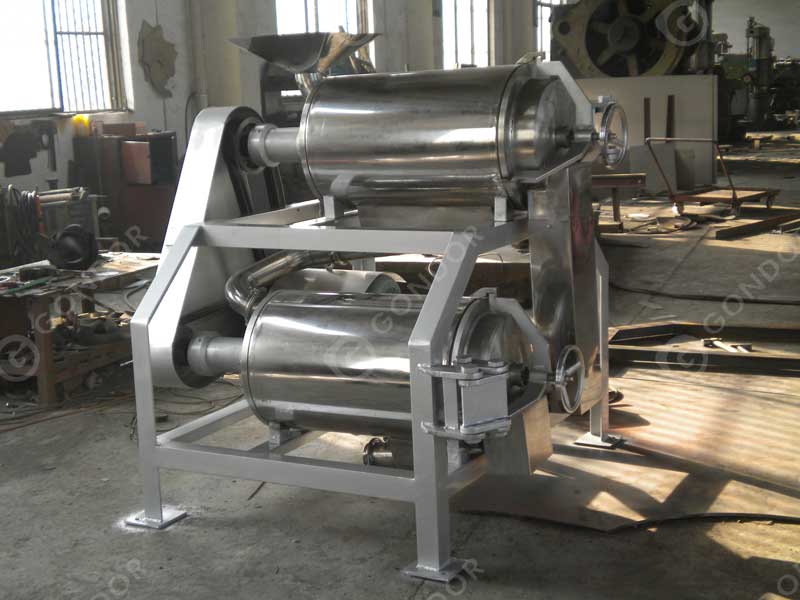
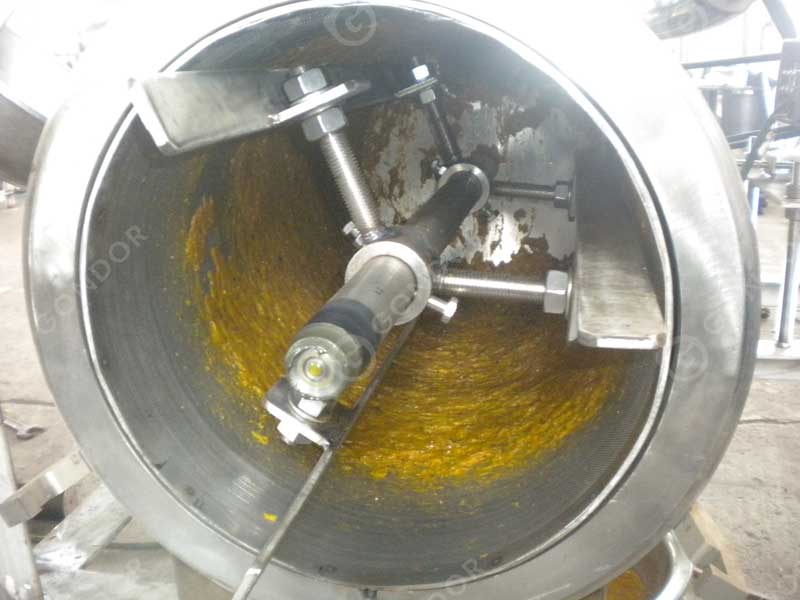
The core of the industrial pulper machine lies in the synergy of centrifugal force and high-speed impact. After the juice pulper machine is started, the motor drives the rotor to rotate at high speed within the sealed machine chamber. The blading or hammer pieces on the rotor continuously strike, shear, and knead the mango pulp that enters the chamber.
During this process, the flesh of the mature mango is rapidly broken down into a fine pulp, while the fruit core, coarse fibers and peel, due to their hard structure and different densities, cannot pass through the sieve and thus achieve physical separation. Compared with traditional equipment, the advantages of modern fruit pulpers lie in the “three-in-one” design concept:
- Crushing: Rapidly breaking down the fruit flesh structure.
- Pit Removal: Automatically separates the fruit pits from large impurities.
- Pulp Residue Separation: The pulp and residue are separated simultaneously.
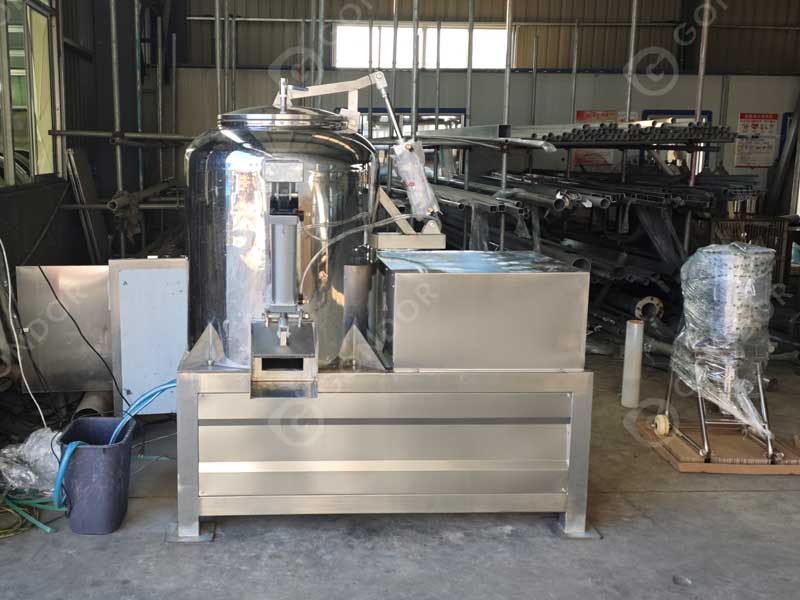
Pre-treatment Stage for Producing Mango Puree
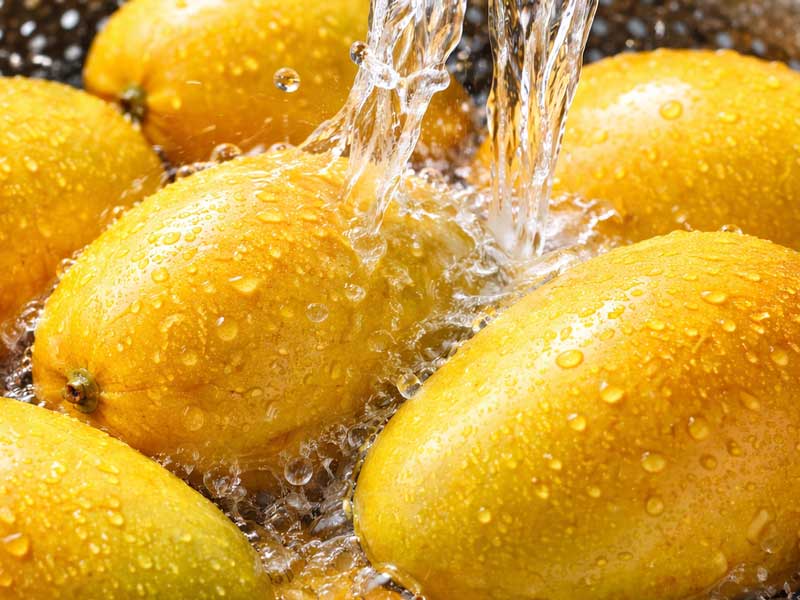
Even with high-performance fruit pulper equipment, the pre-treatment stage remains a crucial foundation for determining the final quality.
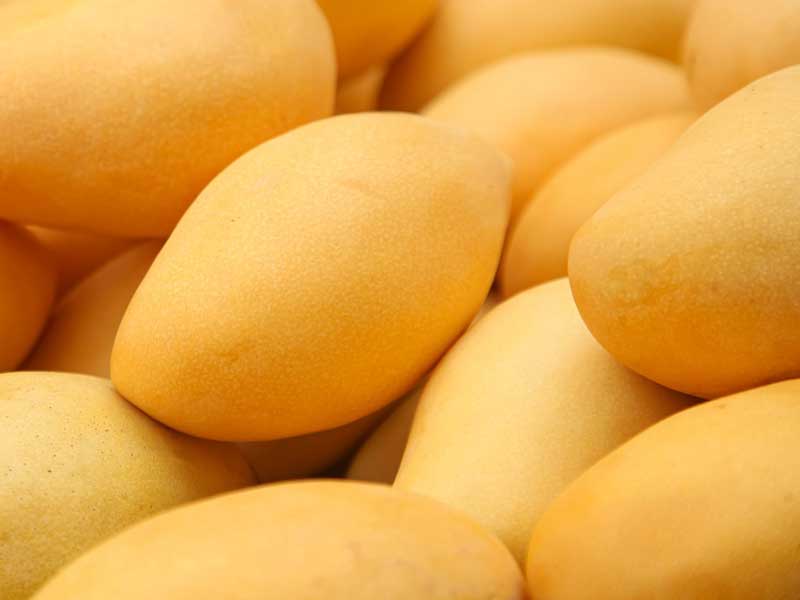
Raw material selection is the first step. It is recommended to choose mangoes that are of uniform maturity, without moldy spots, and without obvious mechanical damage. Inconsistent maturity will directly affect the sweetness, color and viscosity stability of the juice.
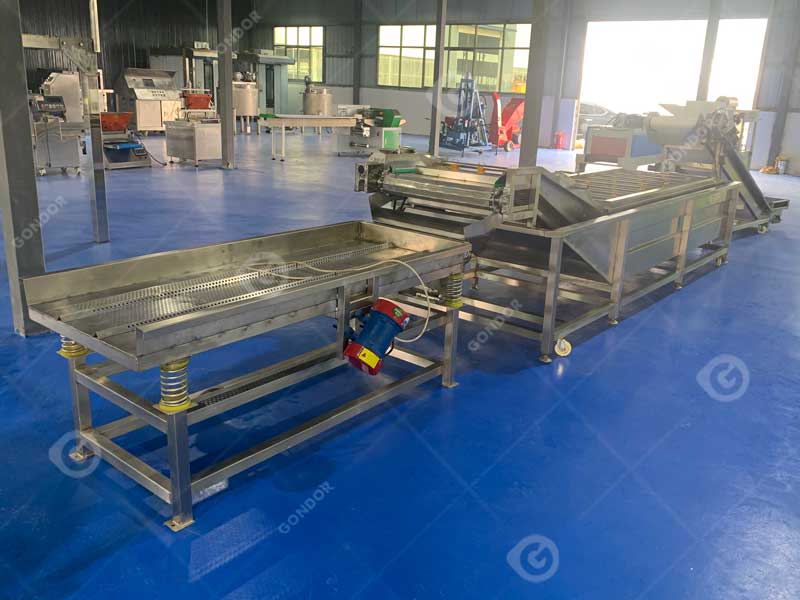
Four Key Steps for Making Mango Pulp Using a Fruit Pulper
Step 1: Uniform Feeding
Mango directly enters the feed inlet. Maintaining stable and uniform feeding is helpful to maintain the balance of equipment operation and avoid instantaneous overload.
Step 2: Pulping and Filtration
The pulp is hit at high speed in the machine cavity to form slurry, which passes through the screen under the action of centrifugal force. In actual production, the screen aperture is usually recommended to be between 0.5 mm and 2.0 mm, which can be flexibly adjusted according to product positioning.
Step 3: Automatic Slag Removal
The stone, long fiber and peel are automatically discharged from the independent slag outlet without manual intervention. This design not only improves the efficiency, but also makes the production line more tidy and orderly.
Step 4: Product Collection
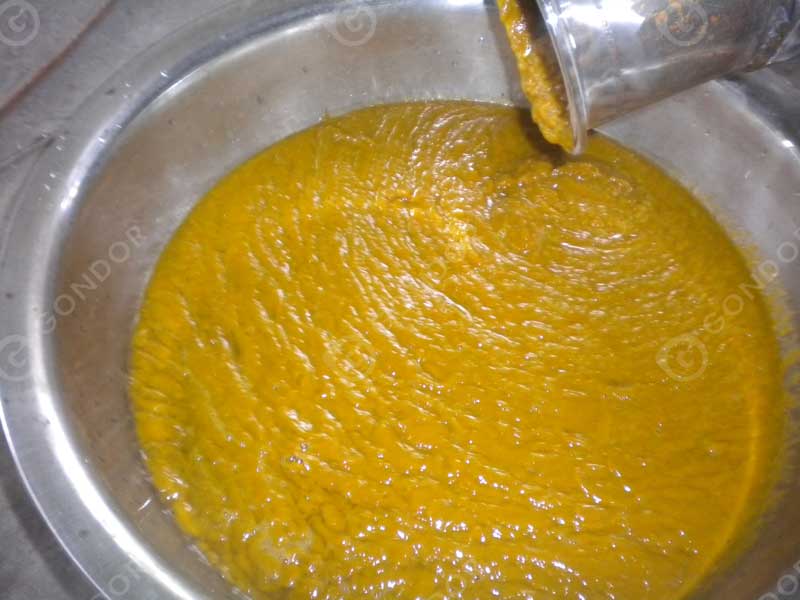
The high-concentration and uniformly textured mango puree is continuously discharged from the outlet and can directly enter the pasteurization, homogenization or filling processes, with a smooth connection.
How to Achieve Maximum Juice Extraction Rate with a Fruit Pulper
In order to truly release the potential of equipment, parameter fine-tuning is very important. By adjusting the gap between the scraper and the screen, different varieties of mangoes with different fiber structures can be adapted, thus reducing pulp residue.
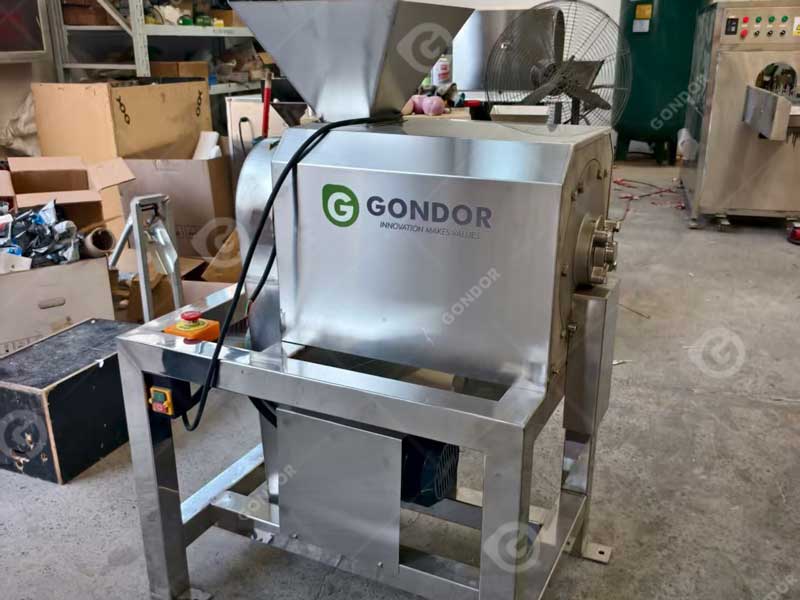
In addition, sanitary design can not be ignored. All-stainless steel structure is not only corrosion-resistant and easy to clean, but also easier to meet the requirements of food safety regulations and export market audit. In long-term operation, this can often significantly reduce maintenance costs and compliance risks.
Select Gondor to Embark on the Path of Automated Mango Processing
In practical application, Gondor fruit pulper has helped many customers achieve a pulp yield of more than 95%, while greatly reducing labor input and raw material waste. The fruit pulper has a stable structure and strong adaptability, which is suitable for different needs from small and medium-sized processing plants to large food enterprises.