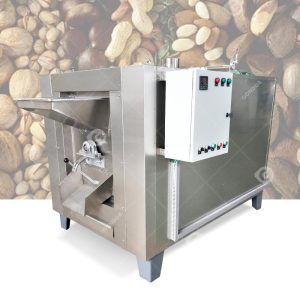
Gondor Apple & Pineapple Dedicated Equipment Lands at Colombian Fruit Processing Plant
In the fruit processing industry, equipment purchasing goes far beyond simply selecting a single machine. What truly determines the buying decision is the combination of product categories, production capacity, labor allocation, raw material specifications, and finished product standards. For factories processing multiple fruit categories, machine selection must fit the actual production process rather than rely only on surface-level parameters.
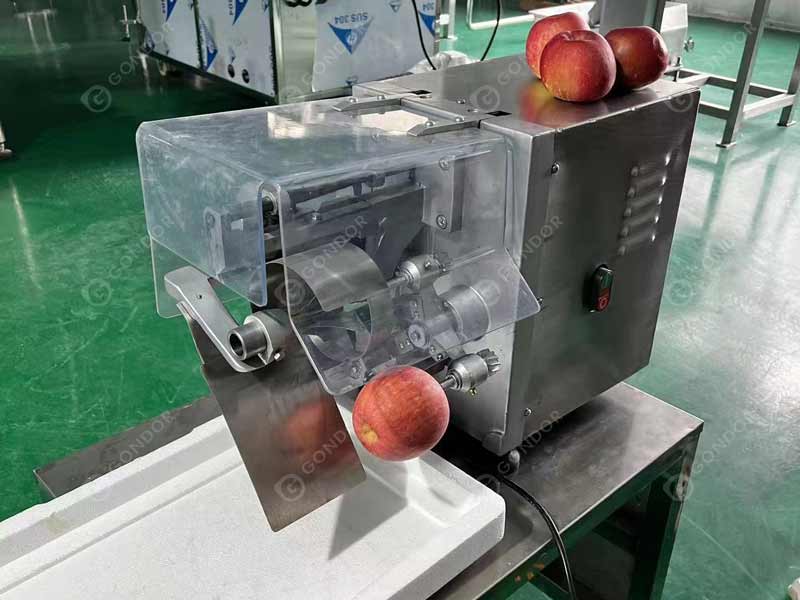
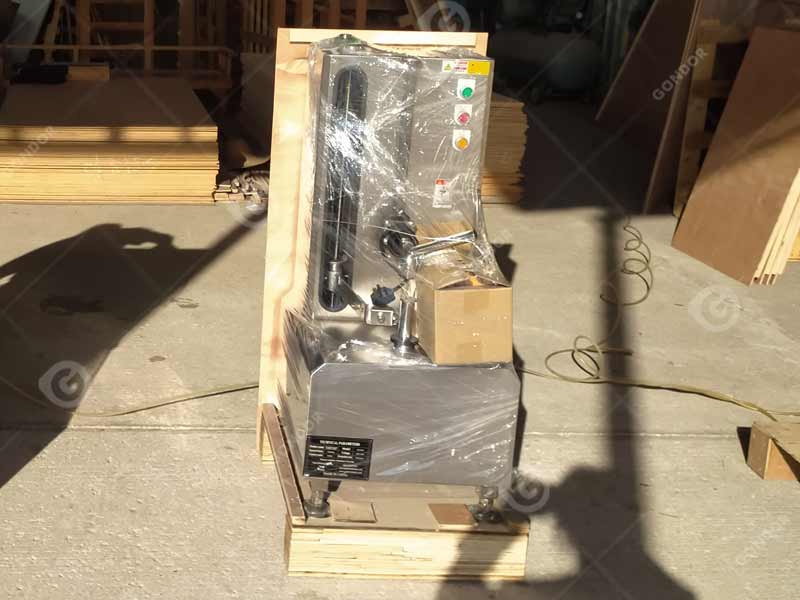
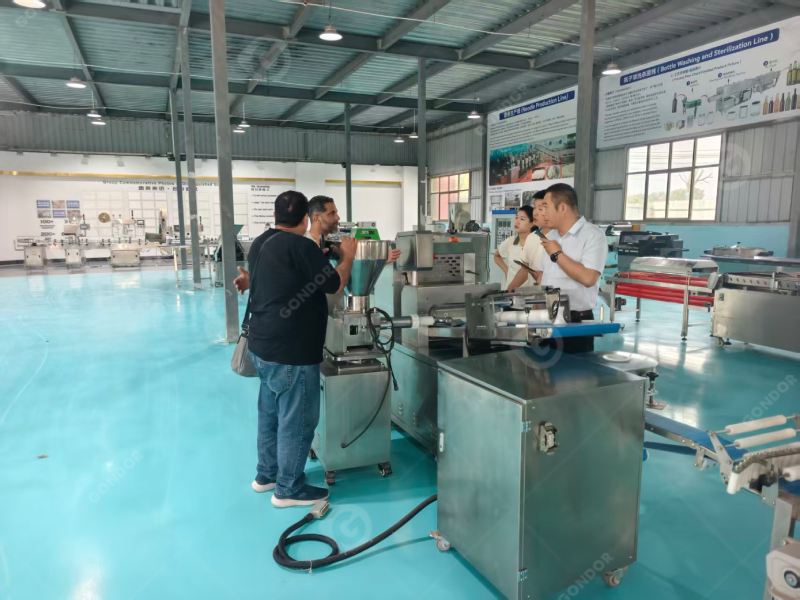
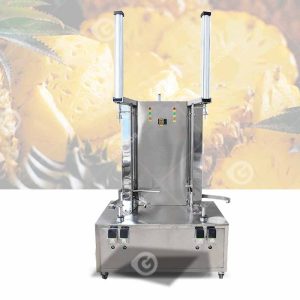
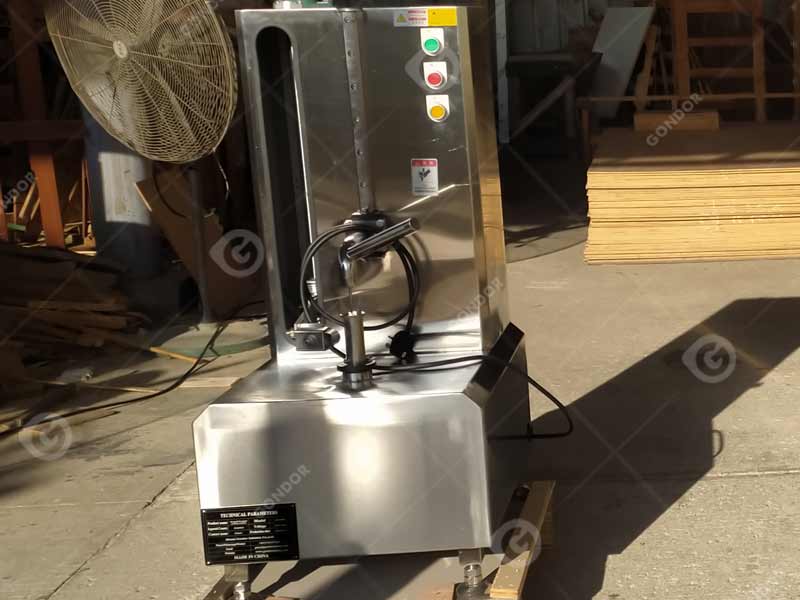
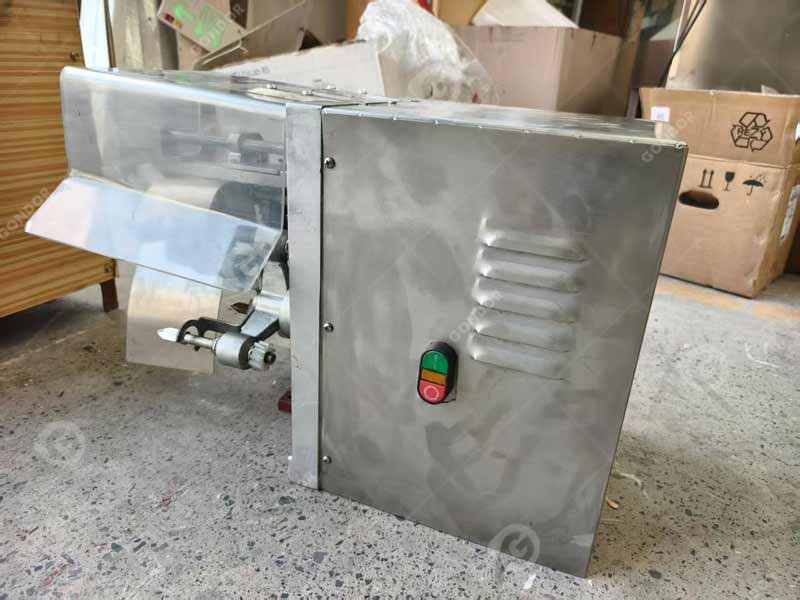
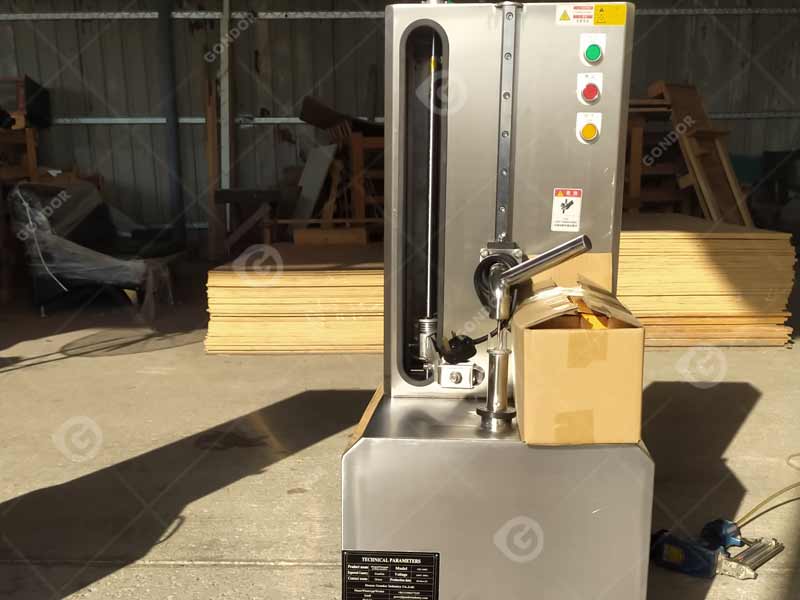
This project involved a Colombian customer, Alejandro Rueda, who is deeply engaged in fresh fruit processing. From the initial inquiry on March 4, 2026, to the final order on March 27, the project went through 23 days of in-depth communication and repeated confirmation. In the end, the customer purchased a 600 pcs/hour apple peeling and coring machine together with a 200–250 pcs/hour dedicated industrial pineapple peeling machine.
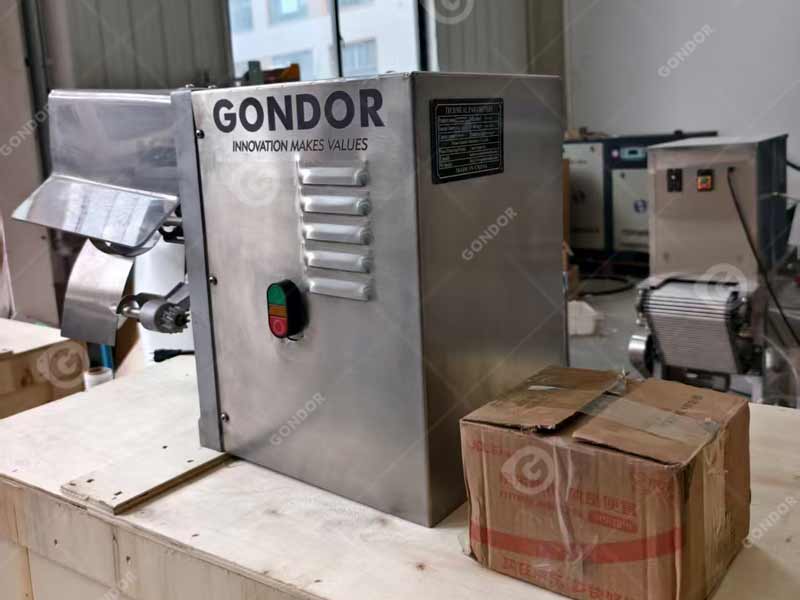
Background of Fruit Processing in Colombia
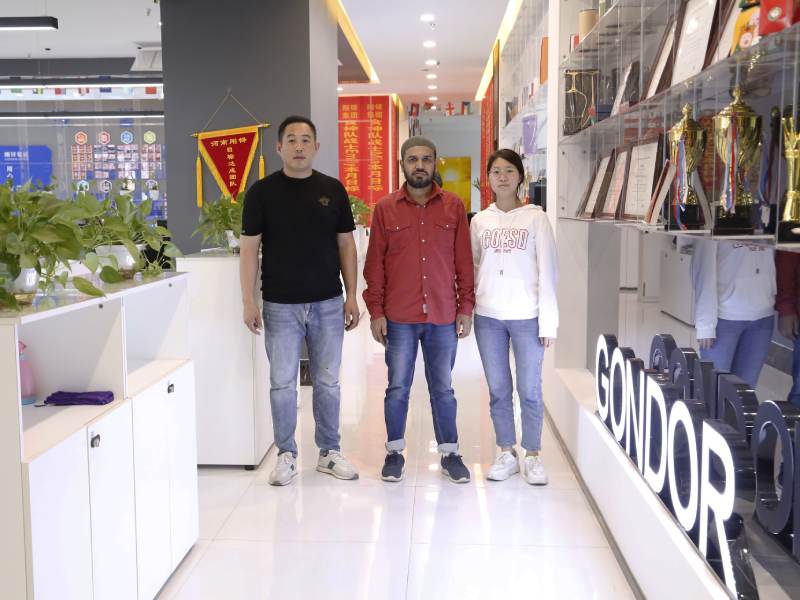
Customer Alejandro Rueda comes from a fruit processing factory in Colombia. The factory needed to process two different raw materials, apples and pineapples, and hoped to improve the efficiency and stability of the pre-processing stage by introducing dedicated machines.
For this type of fruit processing business, although manual peeling is flexible, it usually comes with several obvious problems:
- Processing speed depends heavily on worker skill
- Uneven peeling thickness makes raw material loss difficult to control
- When order volume increases, labor pressure also rises
- Product consistency between batches is difficult to maintain
Core Challenges of the Cooperation
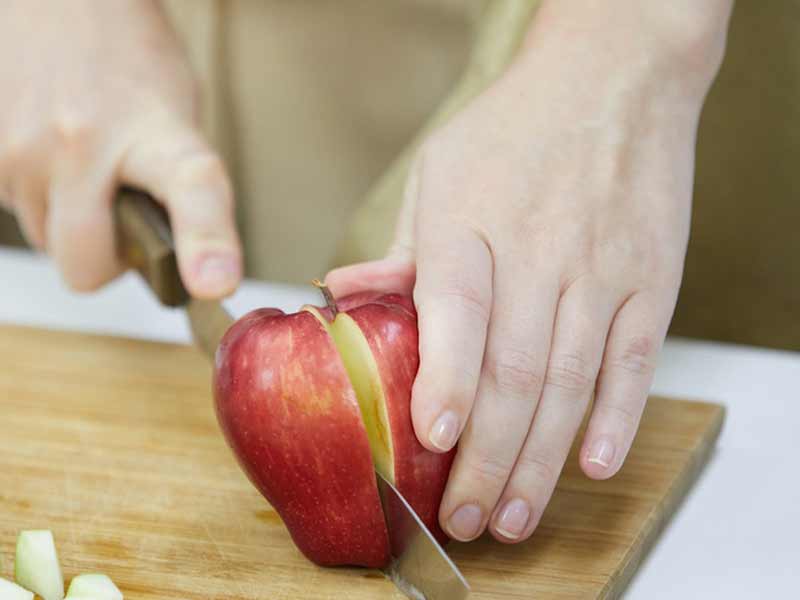
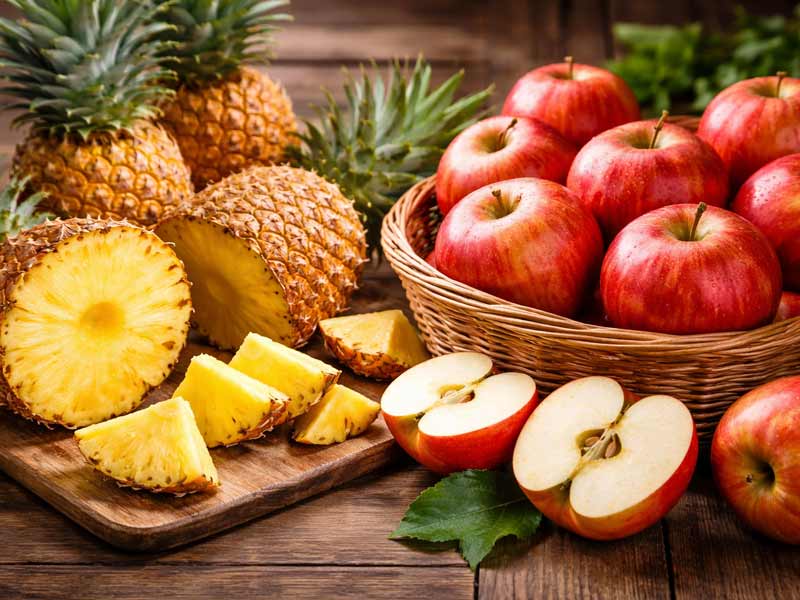
The core challenge in this cooperation between the customer and Gondor was that apples and pineapples are very different in structure, so the same machine selection logic could not be used for both.
Apple processing places greater emphasis on:
- Peeling uniformity
- Accurate core positioning
- Stable continuous feeding
- Efficient connection with downstream slicing, dicing, or deep-processing operations
- Whether the peeling performance is stable
- Whether the finished appearance is neat and uniform
- Whether excessive cutting will occur
- Whether the machine can adapt to a commercial production rhythm
Gondor’s Professional Support Strengthened the Customer’s Decision
The full communication cycle lasted 23 days, showing that this was not a rushed transaction. Throughout the process, the customer carefully evaluated whether the machines were truly suitable for the fruit specifications, whether they could connect with the existing production line, whether the capacities were practical rather than exaggerated, and whether upgrading to mechanized processing would be more worthwhile than continuing with manual labor.
Gondor did more than provide a quotation. Through professional explanations, process confirmation, and practical reference support, we addressed concerns step by step and helped the customer make the decision with confidence.
Precisely Customized and Practical Solution
We matched machine capacity based on the different characteristics of the fruits. Apples are easier to standardize for continuous operation, so we recommended a 600 pcs/hour integrated apple peeling and coring machine, which combines processes, improves efficiency, and reduces labor. Pineapple processing is more complex and requires strict control of material loss, so we selected a 200–250 pcs/hour stable commercial model, avoiding unrealistic output claims while balancing efficiency, cost, and finished product yield. This is exactly the core of professional fruit processing equipment selection.
The Achievements of the Colombian Fruit Processing Cooperation
Main Project Information
| Item | Details |
|---|---|
| Customer Country | Colombia |
| Customer Name | Alejandro Rueda |
| Customer Identity | Staff member of a fruit processing factory |
| Project Start Date | March 4, 2026 |
| Final Order Date | March 27, 2026 |
| Communication Period | 23 days |
| Purchased Equipment | Apple peeling and coring machine + pineapple peeling machine |
| Apple Machine Capacity | 600 pcs/hour |
| Pineapple Machine Capacity | 200–250 pcs/hour |
Before and After the Purchase
Before the purchase:
- The customer was still evaluating equipment solutions for apple and pineapple processing and was unsure whether one machine could handle both
- The machine selection had not yet been finalized
- Further confirmation of capacity and process suitability was needed
- Apples and pineapples were matched with dedicated machines respectively
- The machine functions and processing targets became clearer
- The factory had a more defined equipment foundation for the pre-processing stage
- The customer completed the purchasing decision from inquiry to order within 23 days
What Can Fruit Processing Factories Learn From This Case?
This real cooperation case also provides practical reference for other fruit processors. Whether you are a factory processing multiple fruit categories, a business planning to upgrade from manual peeling to automated equipment, or a buyer who needs to balance efficiency, budget, and process suitability, this case can offer reliable ideas and useful direction that fit real factory conditions.
Gondor Carefully Customizes Fruit Processing Solutions
With years of experience in fruit processing, Gondor has always rejected simple parameter stacking and instead focuses on tailoring thoughtful solutions to real factory production needs. Based on the fundamental differences between apples and pineapples, we optimize process connection, reduce labor, and control raw material loss, while always emphasizing process suitability, production line compatibility, and long-term practical value.