Diesel-Powered Sugarcane Press Shipped to Finland
This case involves a client from Finland, who is an enterprise that has been engaged in the trade of alcoholic beverages and fermented products for a long time. The client sent us an inquiry through its own channels, specifically asking about the sugar cane juice extractor. During the initial communication, it was clearly stated that the equipment was not intended for the local market but was planned to be distributed to the West African region to serve their local wine-making and raw material pre-processing businesses.
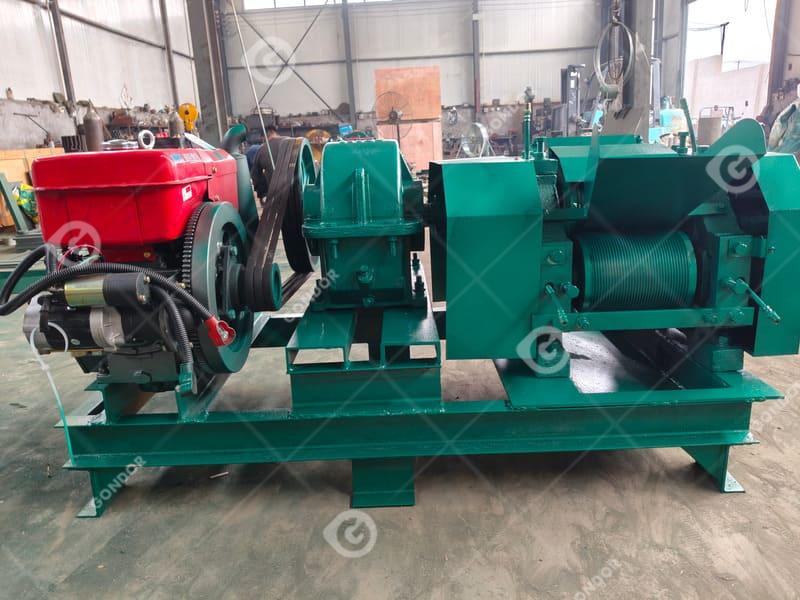
Specifications of the sugarcane pressing machine shipped to Finland
| Product name | Sugarcane pressing machine |
| Model | GD-1000 |
| Power source | Diesel Engine |
| Processing volume | 1000kg/h |
| Dimensions | 1650/1100/960mm |
| Weight | 700kg |
| Horsepower | 12hp |
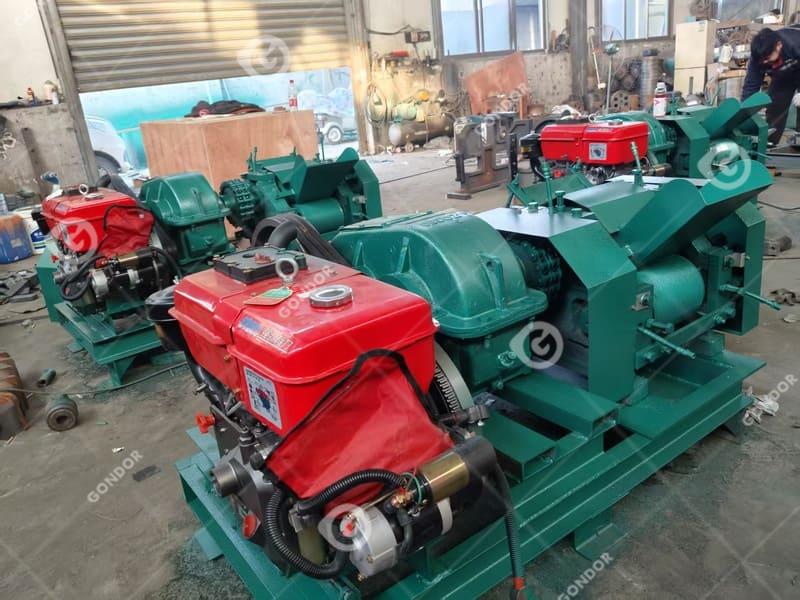
Finnish demand for sugar cane press machines
The client, Isaac, is a manufacturing enterprise headquartered in Finland. They have been paying close attention to the agricultural processing industry in emerging markets, particularly the sugar cane brewing industry in West Africa. They have learned that they are in search of an efficient and reliable sugar cane juice extraction equipment.
The challenges faced by the client are quite clear: The power supply in West Africa is unstable, and the local sugarcane varieties are diverse, requiring press machines that can adapt to different fiber properties.
The core demands of the client:
Mr. Isaac emphasized during the video conference, “The brewing tradition in West Africa is very long-standing, but there is a lack of modern processing equipment. We plan to establish the first standardized brewing workshop in Ghana. The reliability of the juice extraction process directly determines the success or failure of the entire project.”
Solution: Why Diesel Power is the Optimal Solution for the West African Market?
During the initial communication, the client proactively inquired about sugarcane crushing equipment, clearly stating that the equipment would support a winery expansion plan in West Africa. After multiple rounds of communication between our technical team and the client, a diesel engine-driven crushing solution was ultimately selected.
During the solution confirmation phase, we focused on explaining the pressing efficiency, juice stability, and compatibility with downstream fermentation, based on the customer’s brewing application, enhancing the customer’s confidence in the equipment’s compatibility.
Production and Shipment Execution
After production, our company conducted factory testing on the entire machine, focusing on the following:
Diesel engine operational stability
Placement of the pressing rollers and juice extraction effect
Machine vibration and noise control
During the shipment process, the equipment was packaged in reinforced wooden crates with moisture-proof treatment to ensure it remained unaffected during long-distance sea transport and multiple loading and unloading operations. Subsequently, the equipment was successfully shipped to the port designated by the customer in Finland.
What our customers say about us:
“Many times, we get tractors from China with on instructions. It can be very frustrating
I really enjoy working with GOndor. You are a good listener and you follow instructions. It is very satisfying”