How do heat pump dryers work-7 steps to the secret of vegetable drying
Throughout the long history of food processing, the efficiency of energy usage has always been the key factor determining profits and losses. I have visited many vegetable processing factories that still use traditional coal-fired or electric heating drying rooms. The most common complaints I heard were: “The electricity cost is too high” or “The cooked vegetables have a dark color”.
In recent years, the rise of heat pump drying technology has completely broken this deadlock. It is not only an equipment update, but also a revolution concerning “quality” and “energy efficiency”. With the increasingly strict requirements for low-carbon production in the global supply chain, understanding the working mechanism of heat pump drying machines has become a compulsory course for professionals in the food machinery industry.
Today, we will dissect every microscopic aspect of this technology and reveal the 7 core steps behind the process of dehydrating vegetables.
What is a heat pump tumble dryer? (Not just “the transporter”)
In simple terms, the heat pump dryer is not a “producer” of heat energy, but rather a “transporter” of heat energy.
Its core logic is based on the Reverse Carnot Cycle. It uses a small amount of electrical energy to drive the compressor, absorbing and compressing the waste heat from the ambient air or the exhaust of the drying process, raising the temperature before releasing it into the drying chamber.
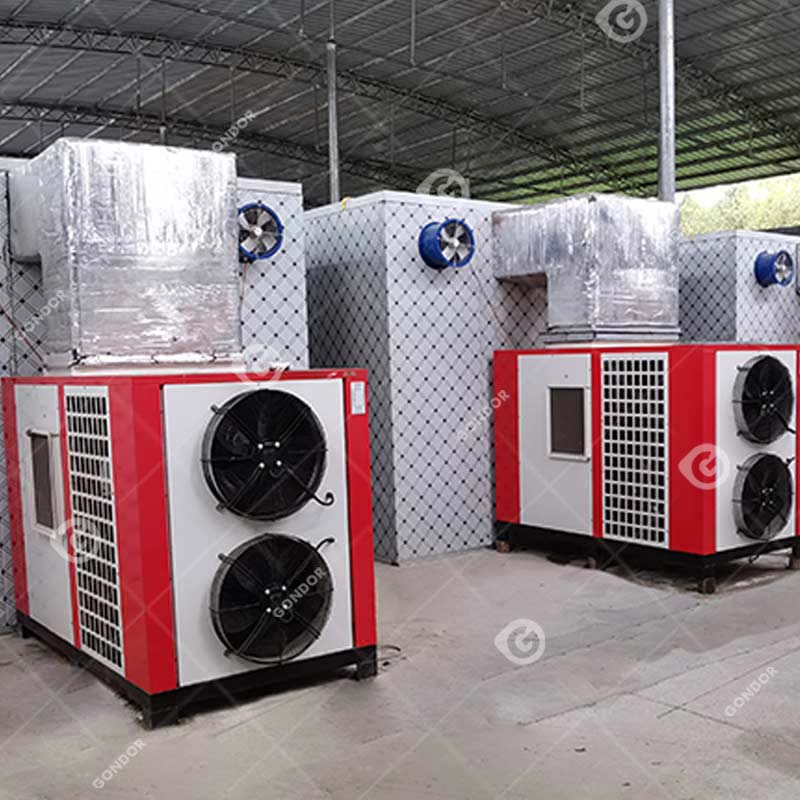
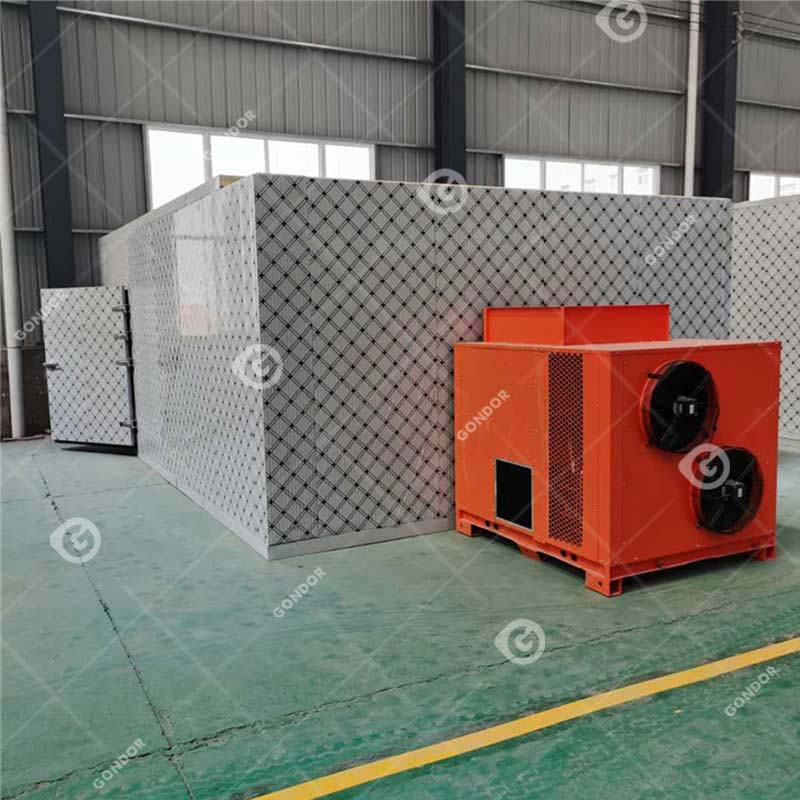
Four components of the heat pump dryer
A standard heat pump system typically consists of four key components:
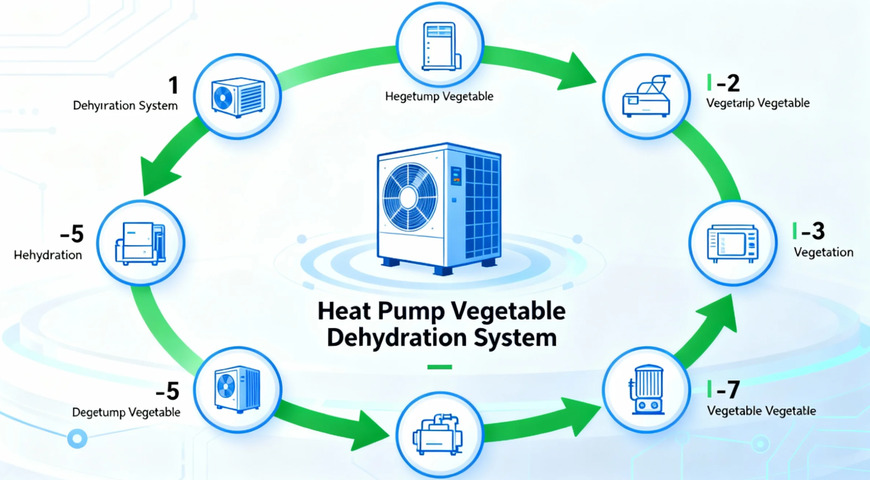
7 steps of dehydrating vegetables using a heat pump machine
Why do some dehydrated vegetables still look green and fresh while others turn dry and yellow? The secret lies in the precise coordination of these 7 physical steps.
1: Energy accumulation of refrigerant
2: Forced convection heating
3: Heat Injection and Penetration
4. Evaporation of water at the gas-liquid interface
Why is heat pump drying the best choice for vegetable processing?
1. Outstanding quality preservation
Vegetables are extremely sensitive to temperature. The greatest advantage of the electric heat pump dryer is its ability to remove moisture at low temperatures. It can effectively prevent protein denaturation and vitamin loss caused by high temperatures, while preserving the original natural pigments of the vegetables (such as chlorophyll and carotenoids).
2. The precipitous decline in operating costs
Based on my actual measurement data, compared with traditional electric heating, the heat pump dryer can save approximately 60%-75% of energy, and compared with fuel-fired drying, it can save about 40%-50% of energy. In today’s era of fluctuating energy prices, this certain cost advantage is the core competitiveness of the enterprise.
3. Environmentally friendly and all-weather operation
It does not emit any exhaust gas or smoke, fully meeting the environmental emission standards of various countries. Moreover, as it operates in an indoor closed-loop system, the drying effect remains consistent regardless of whether it is a fierce storm outside or rainy weather.
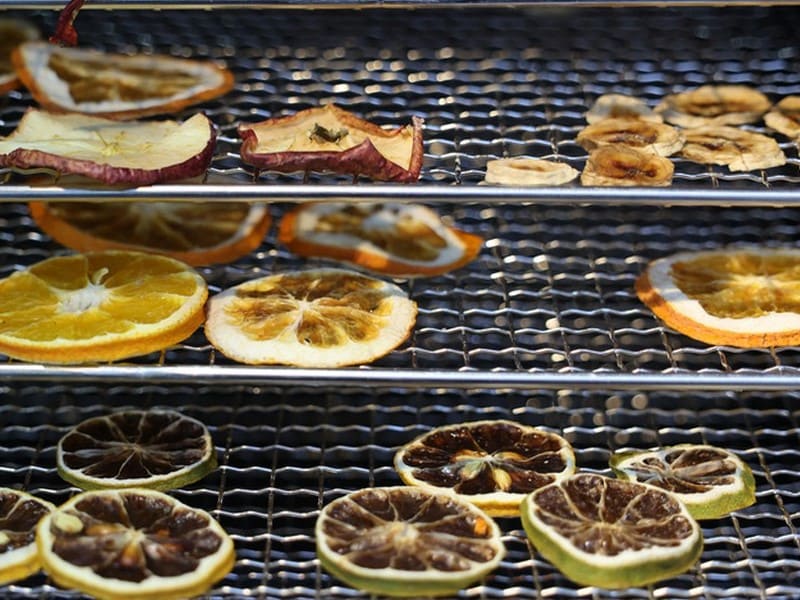
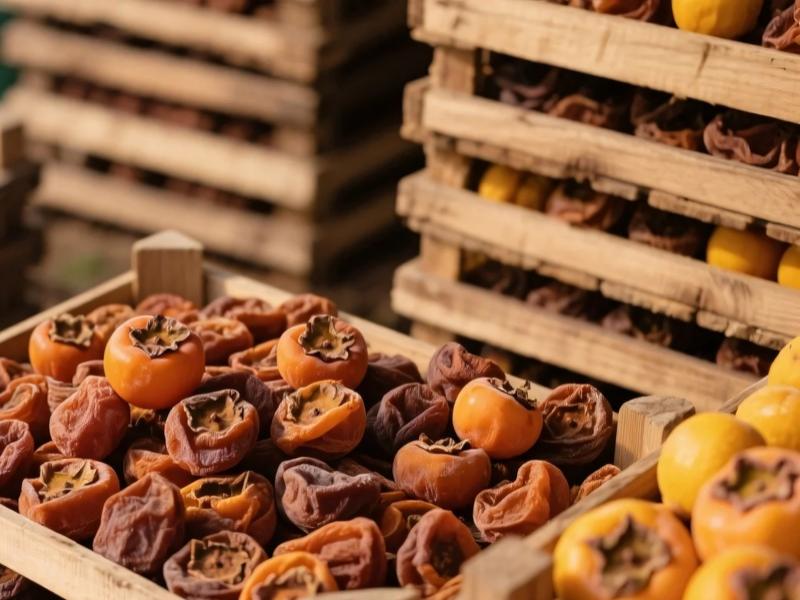
Industry Application Trends: The Future Has Arrived
From the large-scale onion dehydration lines in North America to the spice processing plants in Southeast Asia, we can observe that heat pump technology is showing a trend of modularization and intelligence.
Multi-stage process: The current equipment supports presetting up to 10 stages of drying curves. For example, for mushrooms, a rapid dehumidification in the early stage and a slow shaping in the later stage can be set.
Commercial expansion: More sales of heat pump dryers represent a major trend in application. From single-machine operations to large-scale continuous tunnel drying lines, the flexibility of heat pump technology enables it to be adapted to enterprises of different scales.
How to choose your drying solution?
Understanding the working principle is just the first step. When making a purchase decision, you also need to consider the characteristics of the materials, the local electricity cost level, and the expected investment return period (ROI). If you are looking for a solution that can not only enhance the product grade but also significantly reduce the bill expenditure, Gondor best heat pump dryers are undoubtedly the “optimal solution” at present. We provide a one-stop vegetable and fruit drying solution, allowing your project to achieve quality assurance while achieving energy savings, consumption reduction, and long-term stable production.