Do you know how do heat pump dryers work to dry fruits and vegetables?
Do you know how heat pump dryers dry fruits and vegetables?
In today’s highly competitive food processing industry, efficiency and quality are crucial for a company’s survival. With global focus on sustainable development and energy conservation, traditional drying methods are facing significant challenges. Food processing companies are increasingly emphasizing efficient, energy-saving, and high-quality drying technologies.
Among numerous solutions, the fruit and vegetable heat pump dryer has become the industry’s preferred choice due to its superior energy efficiency and high degree of nutrient preservation.
This article will provide an in-depth analysis of the working principle of this “black technology,” explore its application advantages in the modern food industry, and offer professional advice on choosing a heat pump dryer.
Know More About Heat Pump Fruit and Vegetable Dryers
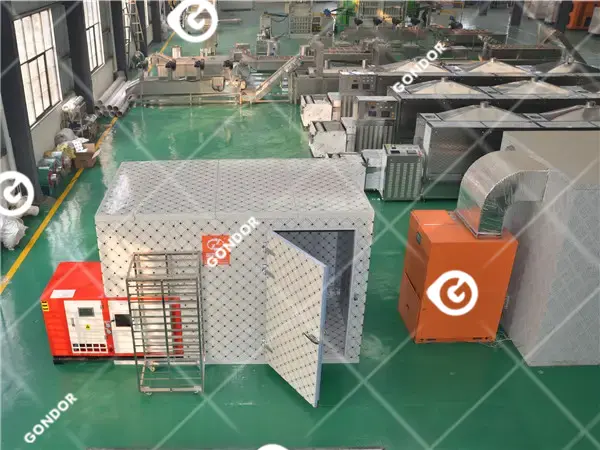
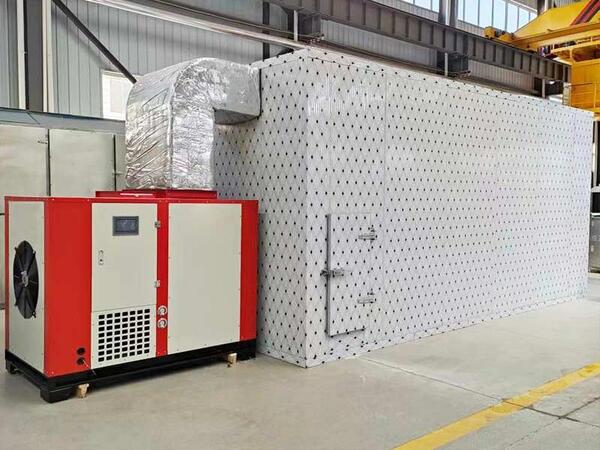
A heat pump fruit and vegetable dryer consists of a heat pump unit, an insulated drying chamber, a circulating fan, and an intelligent control system. It can perform low-temperature, closed-loop, circulating drying of fruits and vegetables within a range of 20–80 ℃, without the need for direct heating from a boiler or electric heating elements.
In simple terms, a heat pump dryer doesn’t directly “bake” vegetables and fruits with heating wires; instead, it’s a heat-lifting device. It absorbs heat from the surrounding environment and transfers it into the drying chamber.
Composition of a Heat Pump Fruit and Vegetable Dryer
Its core structure includes four key components:
1. Heat Pump Compressor: The “heart” of the system, responsible for driving the refrigerant circulation.
2. Evaporator: Absorbs heat from the outside air or recovers waste heat from within the drying chamber.
3. Condenser: Releases heat to heat the circulating air.
4. Intelligent Air Duct System: Ensures hot air evenly passes through each layer of food.
Advantages of the Gondor Fruit and Vegetable Drying Machine
Compared to traditional hot air drying or infrared drying, the biggest difference of a fruit and vegetable drying machine is that it is a closed or semi-closed circulation system, maximizing the reuse of heat instead of direct emission into the atmosphere.
How do heat pump dryers work to dry fruits and vegetables?
Three steps to unlock the scientific principles of heat pump drying
Why is it the “optimal solution” for fruit and vegetable drying?
For food producers pursuing ultimate quality, heat pump technology offers three core advantages:
1. Amazing Energy Savings:
Data shows that heat pump dryers consume only 25%-30% of the energy of electric heating dryers, saving approximately 40%-60% in operating costs compared to coal-fired or steam boilers. Finding a high-performance, cost-effective heat pump dryer effectively saves businesses long-term operating expenses.
2. Superior Quality Assurance:
Many fruits and vegetables are extremely sensitive to temperature. Heat pumps can operate within a low-temperature range of 40°C to 75°C. This low-temperature drying technology perfectly preserves the natural color (without charring), volatile aromas, and nutrients such as vitamins in food.
3. Wide Applicability:
Whether it’s pineapple slices with extremely high water content, delicate leafy vegetables, or herbs that need to retain their medicinal properties, this equipment can achieve the ideal drying balance by adjusting the airflow and temperature/humidity curves.
From Field to Factory: Widespread Applications of Fruit and Vegetable Dryers
In practical applications, a high-quality fruit and vegetable heat pump dryer can cover almost all dehydrated food sectors.
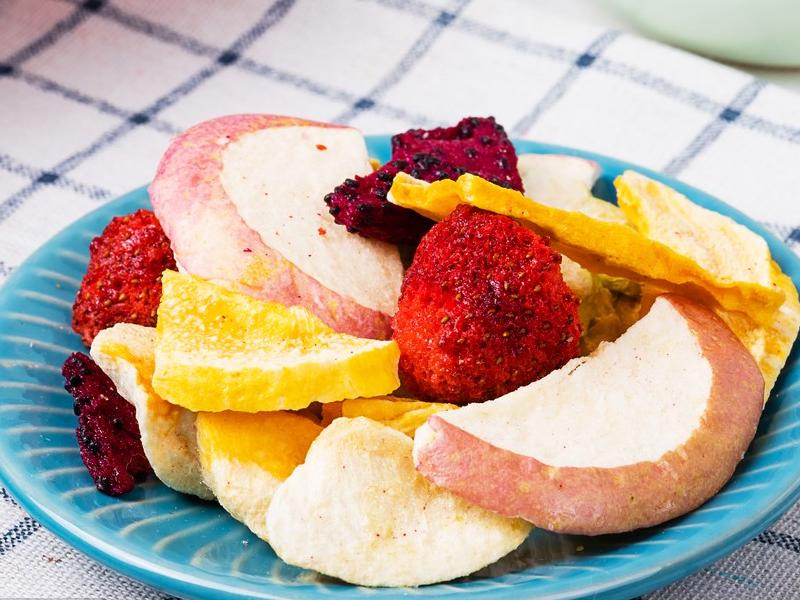
Snack Foods: Such as dried apples, dried mangoes, dried strawberries, and dried tomatoes, maintaining vibrant color and a crisp or chewy texture.
Seasonings and Spices: Processing dehydrated onions, garlic powder, and various chili peppers.
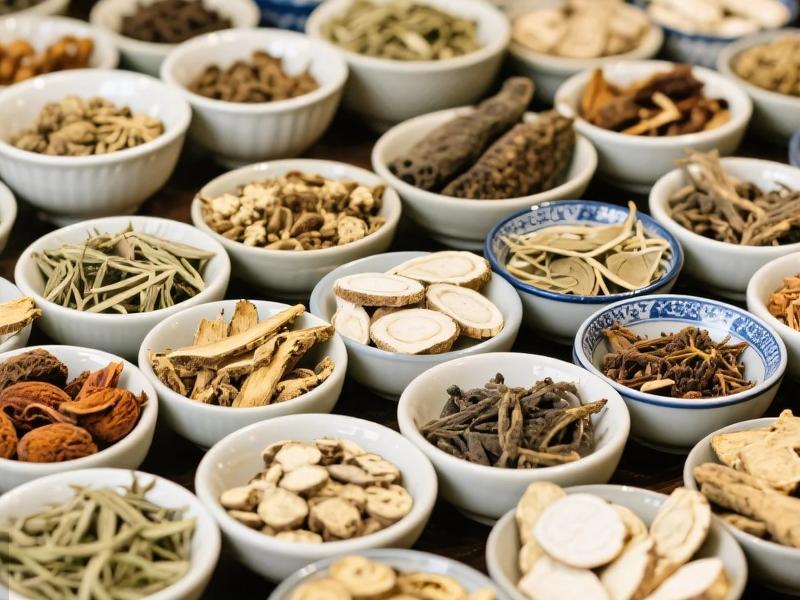
Pharmaceuticals and Health Products: Low-temperature dehydration of ginseng, goji berries, and various traditional Chinese medicinal herbs, ensuring no loss of medicinal efficacy.
Industrial Pre-treatment: Improving the microbial stability of products, extending shelf life, and reducing logistics costs.

How to Choose the Right Fruit and Vegetable Dryer?
When faced with numerous fruit and vegetable drying machine suppliers on the market, it is recommended to focus on the following three points:
- 1. Capacity Matching: Choose the appropriate tray-type or tunnel-type structure based on your daily processing capacity (ranging from several hundred kilograms to several tons).
- 2. Air Duct Design: Ensure thorough hot air circulation without dead zones; otherwise, uneven drying of the same batch of products will occur.
- 3. Level of Intelligence: Modern equipment should possess remote monitoring and multi-stage drying curve preset functions.
The First Choice for the Fruit and Vegetable Drying Industry
Heat pump drying technology represents the future of the food processing industry—energy saving, quality, and sustainability coexist. As a leading supplier in the industry, Gondor Machinery is committed to providing professional-grade heat pump drying solutions to customers worldwide.
Our equipment ranges from micro-machines for laboratory research to industrial-grade production lines for large-scale production. If you are looking for a high-efficiency fruit and vegetable heat pump dryer, or would like to learn more about customized solutions for heat pump dryers, please contact our engineers. We offer free material trial runs to help your products stand out in the market.