How to Choose the Best Crate Washer Machine for Your Food Processing Line?
In the modern food processing industry, food safety is no longer merely an internal management issue for enterprises; it has become a crucial aspect that directly affects brand reputation, customer trust, and market access. Especially with the increasingly strict requirements of food safety management systems such as HACCP, the traditional method of manually cleaning and transferring baskets is becoming increasingly unable to meet the efficiency, hygiene, and standardization demands of modern factories.
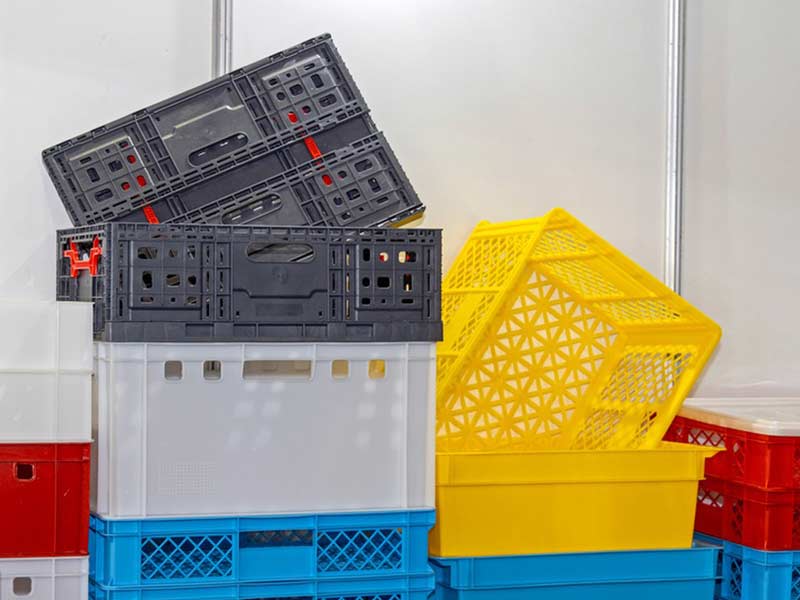
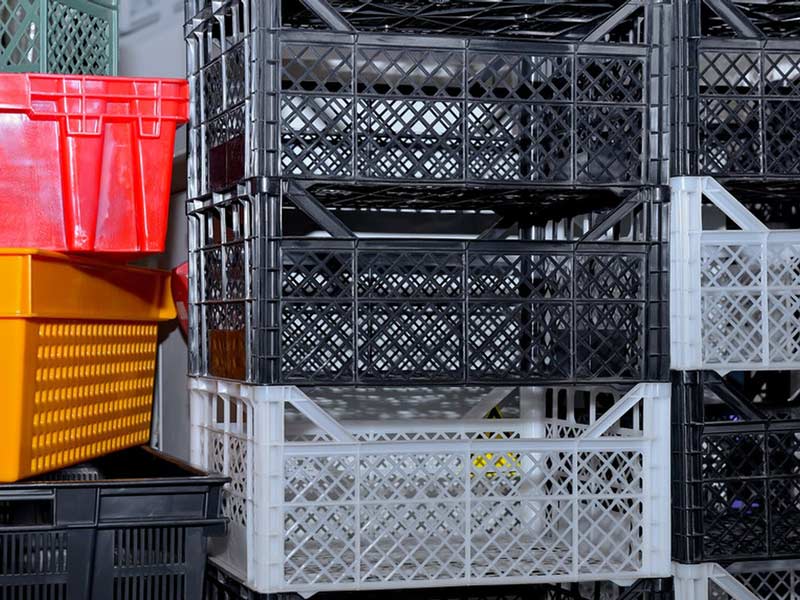
Many food processing enterprises often focus more on the production equipment itself in the early stage, but tend to overlook the seemingly basic yet crucial step of cleaning the transfer baskets. In fact, the transfer baskets are repeatedly used in the transportation of raw materials, the circulation of semi-finished products, the storage of finished products, and the cold chain distribution. If the cleaning is not thorough, it can easily lead to cross-contamination, thereby affecting the hygiene level of the entire production line. Therefore, a suitable basket washing machine is not merely a cleaning tool; it is also an important equipment for ensuring food safety, optimizing supply chain efficiency, and reducing labor costs.
Clearly Define Your Production Requirements and Capacity
One of the most common mistakes when choosing an industrial crate washer is to only focus on the price of the equipment while ignoring your own production rhythm and the frequency of basket usage. In fact, when selecting a crate cleaning machine, the first and most crucial question to answer is: How many baskets do you need to wash per hour?
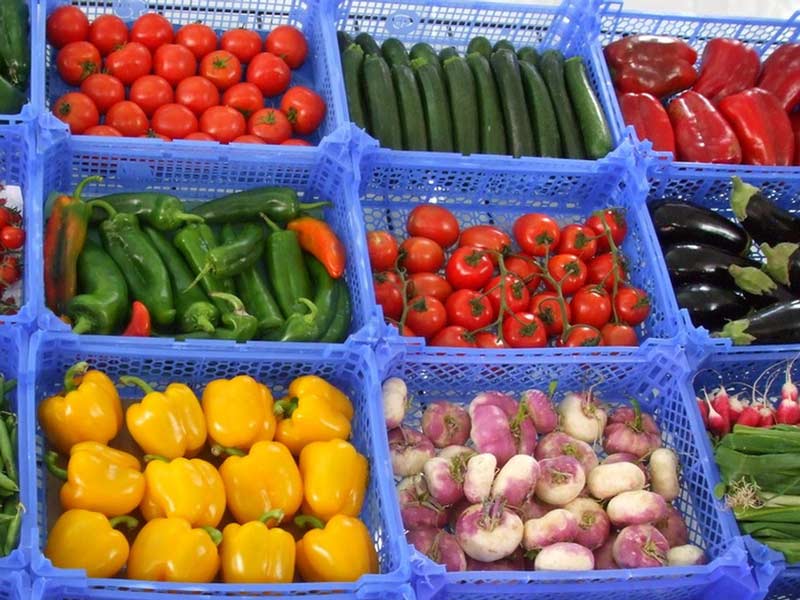
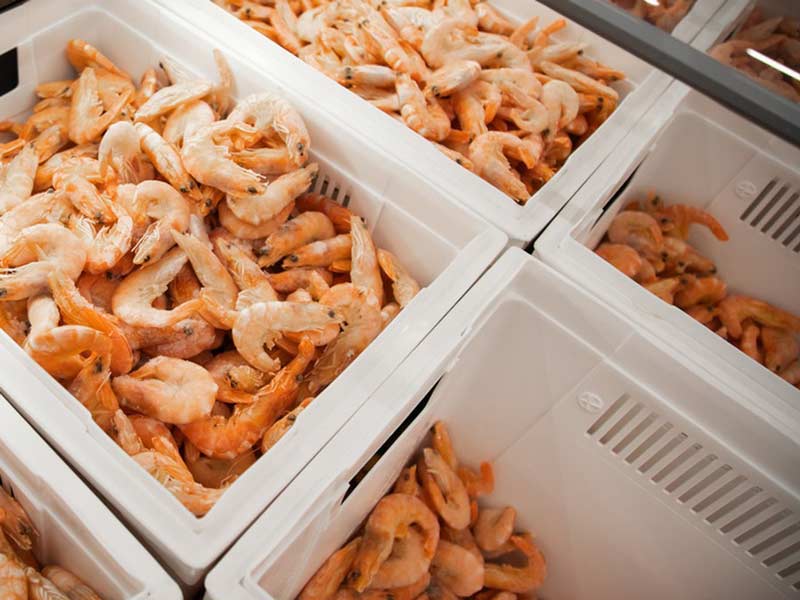
If you are a frozen food factory, central kitchen, seafood processing plant or fresh produce distribution center, the usage quantity and recovery speed of turnover baskets will vary greatly among different sections. Some factories only need to clean a few hundred baskets per hour, while some large production lines may need to continuously clean thousands of baskets. At this time, if the equipment processing capacity is too low, it will cause the accumulation of basket bodies, affecting the production turnover; conversely, if the selected equipment is too large, it may lead to unnecessary investment waste and energy consumption.
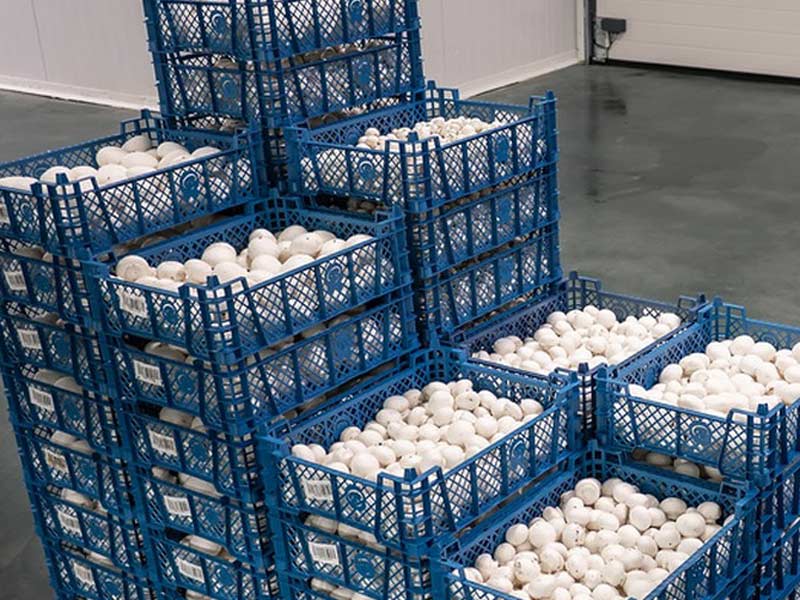
In other words, choosing a washing basket machine is not about purchasing a “washing” machine, but rather acquiring a cleaning system that can match your existing production rhythm.
Key Technical Characteristics and Hygiene Design
In the food processing industry, the speed of the crate washer machine is just the basic requirement, while cleanliness, hygiene and stability in the washing process are the key factors. Therefore, when choosing equipment, the technical strength and hygiene design are the core considerations for determining whether the investment is worthwhile.
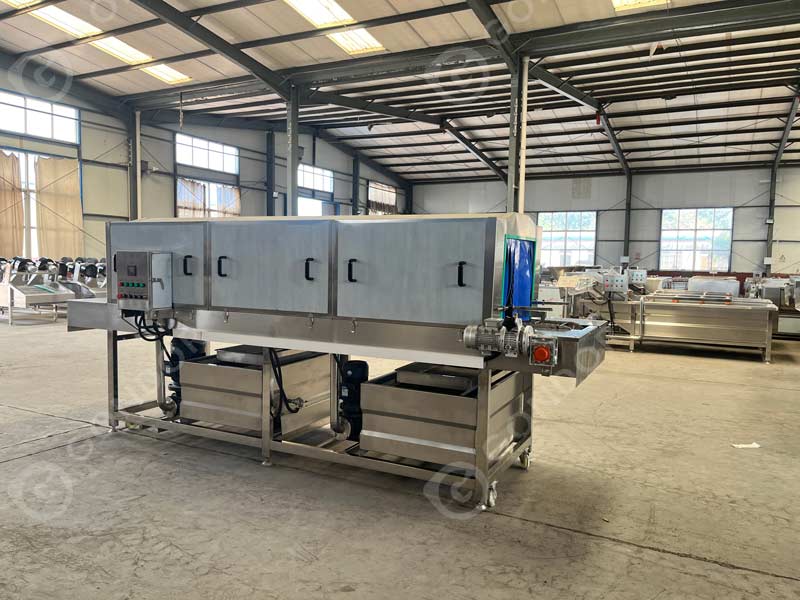
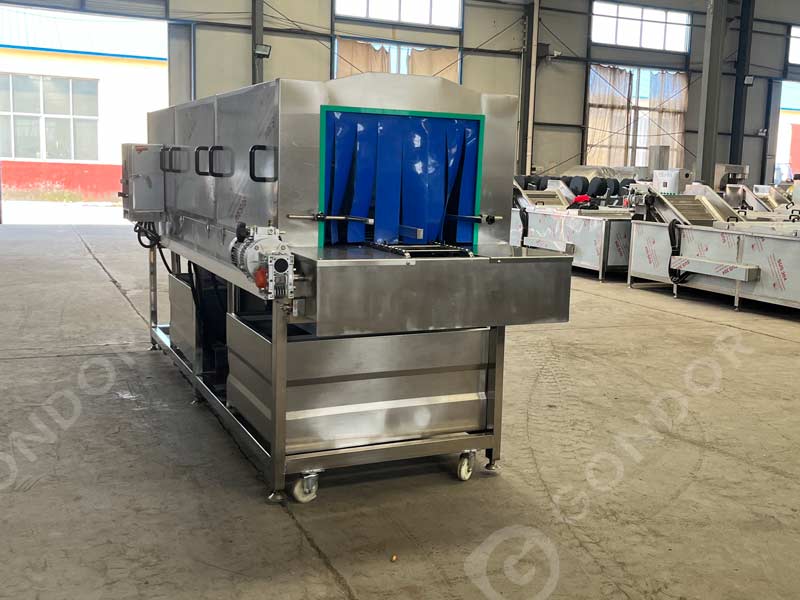
First of all, the material must be food-grade SUS 304 stainless steel. The crate washer machine operates in a humid, hot environment with cleaning agents for a long time. The material is not corrosion-resistant, which not only shortens its lifespan but also poses a threat to food safety. 304 stainless steel is rust-proof, resistant to cleaning agents, and has a sturdy structure. It is a reliable choice for food machinery recognized worldwide.
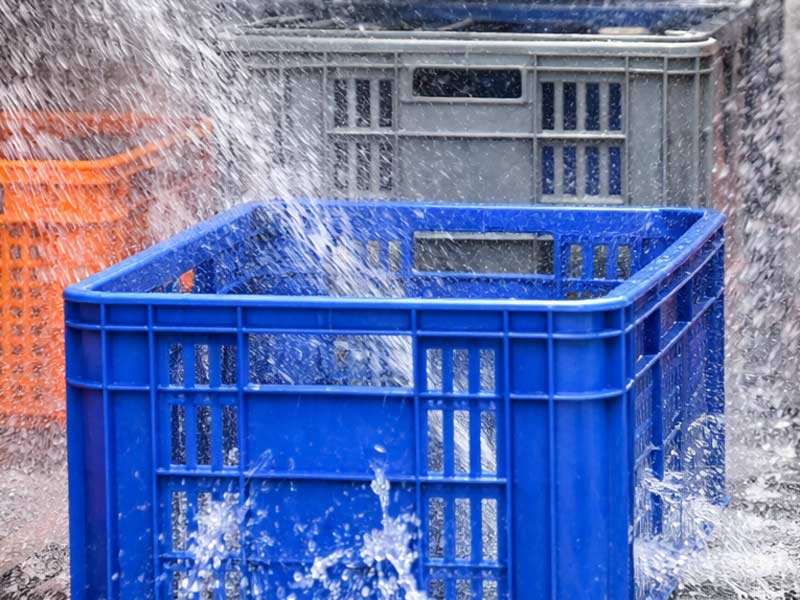
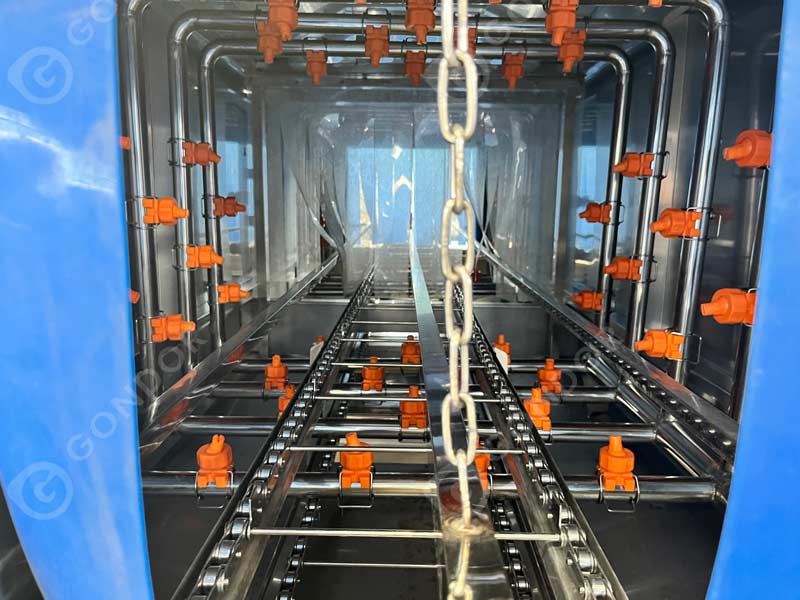
Secondly, the spray system is crucial. Good crate washer machines usually employ four-sided high-pressure spraying, with simultaneous rinsing from top, bottom, left, and right. This can thoroughly clean the surface, edges, crevices, and bottom of the turnover baskets, removing oil stains, debris, blood, and sauce residues. If only single-sided rinsing is used, it is difficult to achieve a thorough cleaning.
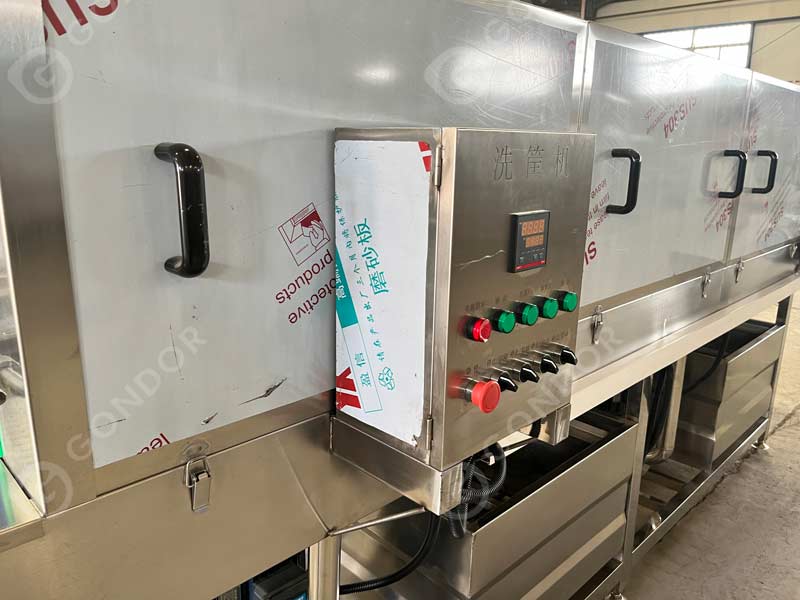
Finally, the simple and user-friendly operation panel is also a significant plus. The one-click, intuitive and easy-to-understand operation can reduce training costs, minimize errors, and make the equipment run more stably. For factories with a high staff turnover rate, this worry-free design is even more practical than imagined.
Resource Efficiency and Sustainability of Crate Washer Machines
Nowadays, more and more food factories are paying attention to the water and energy-saving capabilities of their equipment. This is not only driven by environmental protection concepts but also reflects the reality of cost pressures. Especially in the frequent and continuous cleaning process of washing baskets, water and energy consumption are considerable. If the equipment design is unreasonable, over the long term, the hidden operating costs will be much higher than the initial purchase price difference.
Among them, the water circulation system is a configuration that is particularly worthy of close examination. High-quality crate washer machines usually come equipped with multi-stage filtration water circulation systems. By filtering out larger residues, floating substances, and impurities, they achieve segmented recycling and reuse. In practical applications, such systems have the potential to help factories save up to 70% of water usage. For factories with a large daily cleaning volume, this not only significantly reduces water costs but also alleviates the pressure of sewage discharge.
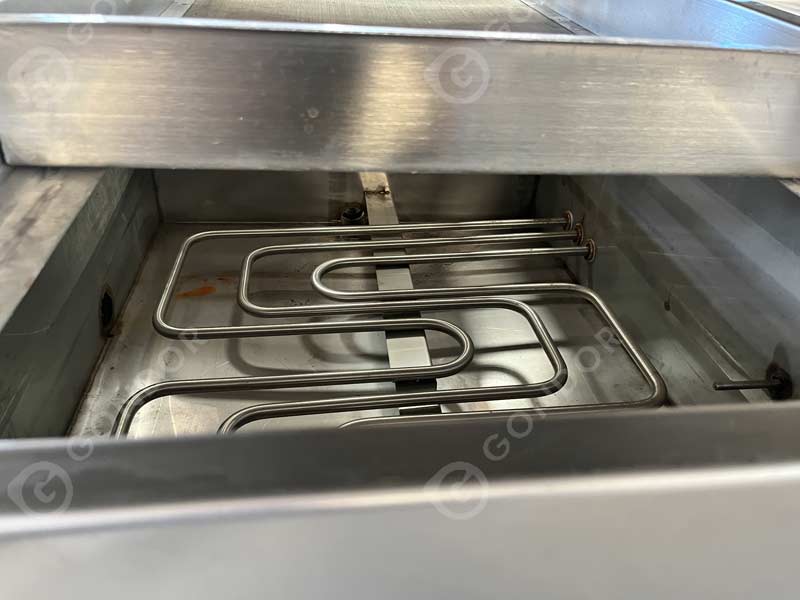
To put it more directly, a truly outstanding basket washing machine should strike a balance between “cleaning thoroughly” and “being cost-effective to use”.
Maintenance Convenience and Long-Term Durability of the Crate Washer Machine
Many devices seem to have impressive specifications during the sales stage. However, once they are put into use in the factory, what enterprises usually care about most becomes another issue: How easy is it to maintain them in the long run?
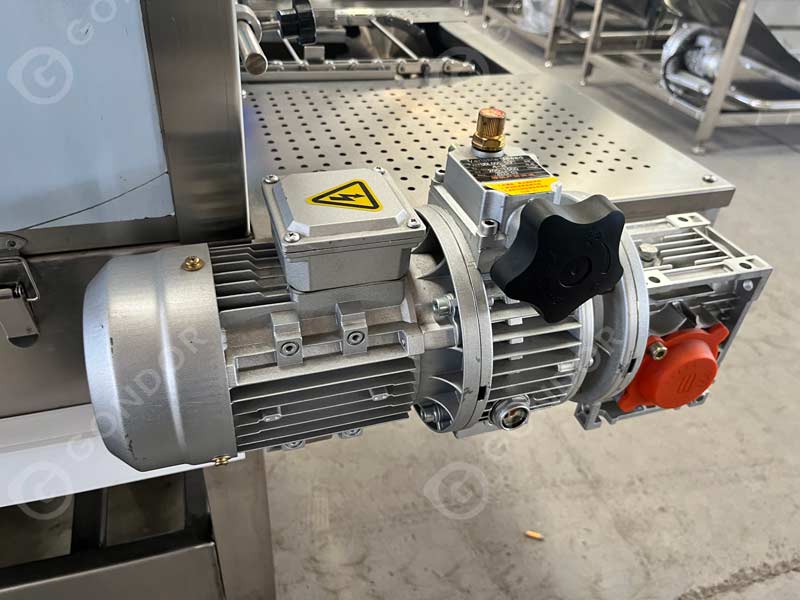
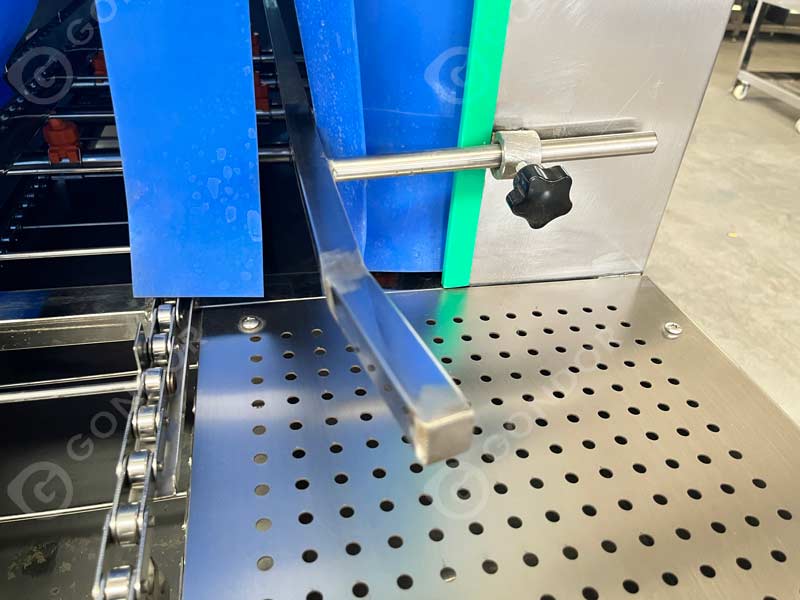
The crate cleaning machine is a high-frequency operating equipment, and its components such as the motor, conveyor belt, nozzles, and water pumps all need to be given special attention. If the quality of the core wear-prone parts is unstable, or if the structural design is overly closed and the disassembly and assembly are complex, the later maintenance and replacement will bring additional burdens and even affect normal production.
Therefore, it is recommended that enterprises pay particular attention to the following points when making a purchase: How about the brand and durability of the motor? Is the conveyor belt wear-resistant, heat-resistant, and easy to replace? Is the nozzle easy to disassemble and clean? Is the internal structure easy to perform daily deep cleaning and disinfection? These details may seem insignificant, but they directly affect the long-term usage experience of the equipment.
In this regard, open structure design often has a significant advantage. A well-designed open structure enables operators to more easily observe the internal operation status and also facilitates thorough cleaning and hygiene treatment of the equipment’s interior after the production process is completed each day. For the food industry, whether the equipment is easy to clean is just as important as its ability to clean the transfer baskets.
Gondor Offers You a More Production-Site-Specific Basket Cleaning Solution
For enterprises engaged in frozen food, seafood processing, meat sorting, central kitchens, and the catering supply chain, different product types, levels of contamination, and workshop space conditions all impose different requirements on basket washing machines. Therefore, the truly ideal solution is usually not a single fixed model but a modular customization based on actual needs.
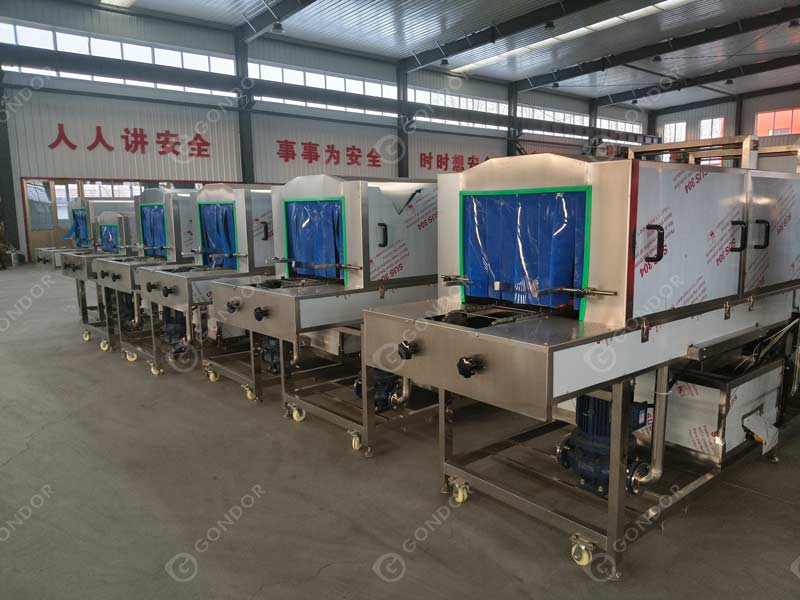
Gondor crate washer for sale operates based on this principle, providing customers with more targeted cleaning solutions. Whether you are dealing with heavily soiled ready-to-eat turnover baskets, seafood baskets with lingering fishy odors, or frozen food baskets that need frequent circulation, Gondor can design the equipment length, spray section configuration, heating system and filtration circulation structure in a reasonable way according to the size of your basket, production capacity requirements, heating method and workshop space.
From a practical operation perspective, when choosing the best crate washer machine, one should not only focus on the initial purchase price. What is more important to consider is whether this equipment can continuously help you reduce labor costs, save water and electricity consumption, improve hygiene standards, and maintain a stable production rhythm in the coming years. Only by evaluating the initial investment and long-term operating costs together can enterprises make more informed decisions.