Fruit and Vegetable Dryer Case : From One Machine to 24+ Repeat Purchases in Four Years
In the food processing equipment industry, a single purchase does not necessarily prove product quality. Long-term repeat orders are the true measure of reliable equipment and dependable supplier support.
Our customer from Guinea first purchased a GD-20 industrial fruit and vegetable dryer in 2023. Between 2023 and 2026, they continued to purchase more than 24 food dehydrators of various capacities, choosing us as their long-term equipment supplier throughout four years of business growth.
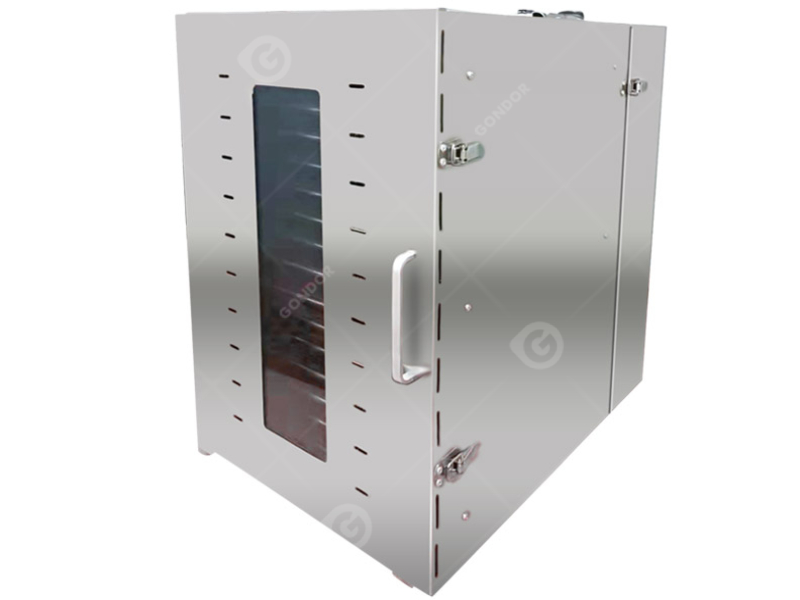
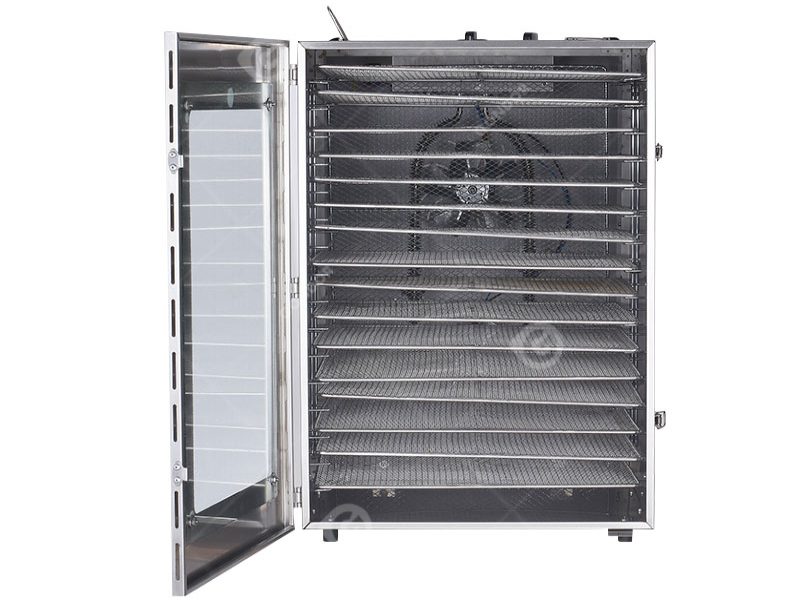
This is more than an order history—it is a journey of mutual growth. Through dependable machine performance, professional technical support, and customized solutions tailored to the customer’s production needs, we earned their long-term trust while helping them steadily expand their production capacity.
If you are looking for a commercial food dehydrator, industrial fruit and vegetable dryer, or hot air drying equipment, this case study demonstrates what truly matters when investing in drying technology.
Project Background
In March 2023, the customer placed their first order for our entry-level GD-20 industrial fruit and vegetable dryer (20 trays).The company specializes in processing agricultural products, including dried fruits, vegetables, and grain products for the local market. As market demand continued to grow, their existing production capacity could no longer meet customer orders. They needed a reliable drying solution capable of supporting long-term business development.
The customer wanted a machine that could process not only fruits and vegetables but also grains such as corn and rice, allowing greater flexibility for future product expansion. Rather than frequently changing suppliers, they hoped to establish a long-term partnership with a manufacturer capable of providing continuous technical support.
The Real Challenge: Drying Different Products
During our discussions, the customer asked an important question:
Could the dehydrator also dry corn and rice? If so, how long would the drying process take?
In reality, different materials have completely different moisture contents, particle sizes, and heat transfer characteristics.Fruit slices absorb heat relatively easily, while corn and rice are granular materials. Improper temperature or drying time can easily result in uneven moisture content, affecting storage quality and shelf life.
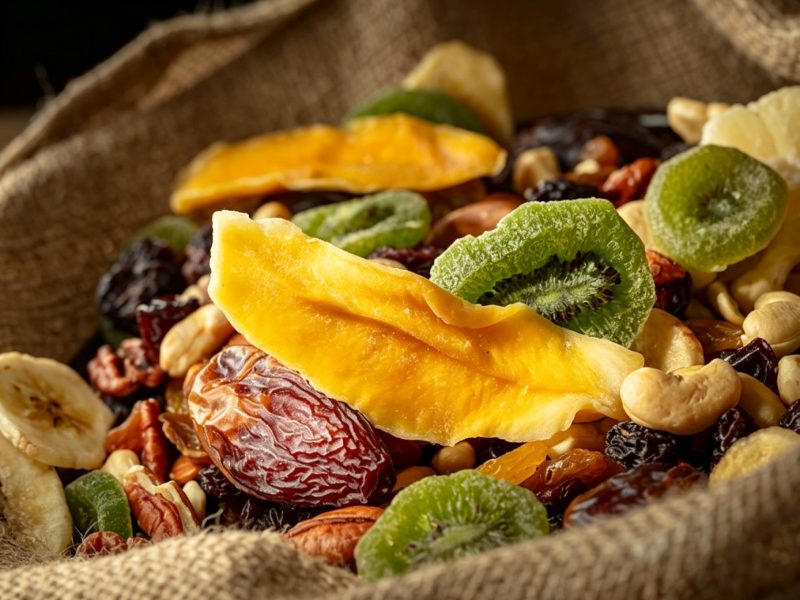
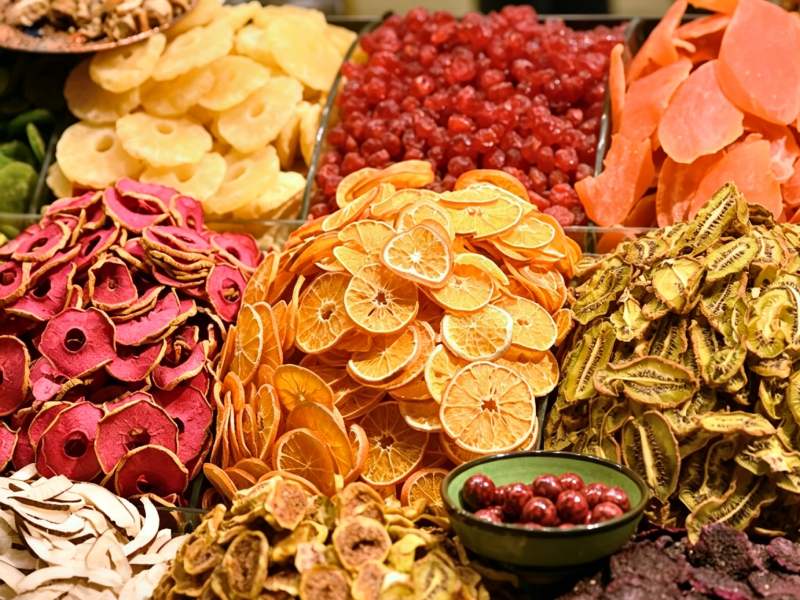
After evaluating the customer’s products, we confirmed that under normal loading conditions, corn and rice could be dried effectively within 7 to 9 hours.
However, another practical issue soon emerged.The customer noticed that the standard stainless-steel drying trays had relatively large mesh openings and was concerned that small grains might fall through during the drying process.This was not a machine defect—it was simply a requirement specific to this application.
Our Customized Solution
Instead of suggesting modifications to the equipment, we recommended a safer and more professional solution by supplying food-grade high-temperature Silicone Roll Pads.
These silicone mats provide several advantages:
- Prevent small grains such as corn and rice from falling through the tray mesh.
- Maintain excellent hot-air circulation without reducing drying efficiency.
- Withstand high operating temperatures and can be reused for a long service life.
- Easy to clean and fully compliant with food hygiene standards.
Project Implementation
After production was completed, every machine underwent comprehensive factory inspection and final commissioning before shipment.During the initial production stage, we maintained close communication with the customer and continuously helped optimize the drying process.Our technical guidance mainly focused on the following areas:
- Optimizing Product Loading ThicknessDifferent products require different loading depths to ensure uniform airflow through every tray, resulting in consistent drying performance.
- Optimizing Drying TemperatureEach product requires its own drying temperature.
For example:
- Fruits require moderate temperatures to preserve color and natural flavor.
- Vegetables usually benefit from staged drying programs to maintain quality.
- Corn and rice require longer holding times to achieve uniform final moisture content.
Four Years of Repeat Orders Show Steady Production Growth
The true value of reliable equipment is reflected not in the first purchase, but in the customer’s decision to return again and again.
2023
First Order:
1 × GD-20 Fruit and Vegetable Dryer
20 × High-Temperature Silicone Roll Pads
The customer was highly satisfied with both the machine performance and our customized solution.


2024
As production demand increased, the customer placed two repeat orders during the year:
2 × 10-Tray Fruit and Vegetable Dryer in October
2 × 10-Tray Fruit and Vegetable Dryer in November
These consecutive purchases demonstrated the reliable performance of the original equipment and the customer’s growing production capacity.


2025
To meet expanding production requirements, the customer continued upgrading their drying line throughout the year:
1 × 24-Tray Fruit and Vegetable Dryer
2 × 10-Tray Fruit and Vegetable Dryer in March
Later in the year, the customer placed additional orders to further increase capacity:
4 × 10-Tray Food Dehydrators
2 × 24-Tray Food Dehydrators in July
2 × 10-Tray Food Dehydrators
1 × 24-Tray Food Dehydrator on August 3, 2025
These rapid follow-up purchases showed that market demand continued to exceed the newly installed production capacity.


2026
To further increase overall processing capacity, the customer invested in larger industrial drying equipment:
1 × 80-Tray Industrial Food Dehydrator
2 × 40-Tray Food Dehydrators
4 × 24-Tray Food Dehydrators

Over four years, the customer placed six separate orders, purchasing 24 commercial food dehydrators of various capacities.Throughout this period, there were no returns or replacements caused by failures of critical components such as the main control board or drive motor.
The customer successfully expanded from small-scale production to an industrial continuous drying operation.
As the business continued to grow, they never changed equipment suppliers. Instead, they consistently selected our food dehydrators of different capacities, providing the strongest evidence of confidence in our product quality and after-sales support.
For us, the greatest achievement is not the number of machines sold, but the customer’s willingness to continue entrusting every new expansion project to us.
Expert Advice: How to Choose Food Dehydrator
If you are planning to invest in industrial food drying equipment, we recommend considering the following factors:
- Choose equipment based on your production plans for the next three to five years, not just your current output.
- Confirm that the machine can process multiple products to maximize equipment utilization.
- For special materials such as grains or spices, ask whether suitable accessories are available.
- Evaluate the supplier’s technical support and after-sales service rather than comparing prices alone.
- Choose a manufacturer with extensive export experience and a proven record of repeat customer orders.
Every food processing business has different production requirements. The right industrial drying solution should be selected according to your products, production capacity, and long-term business development plans.
If you are looking for a high-efficiency, reliable, and scalable commercial food dehydrator, our engineering team is ready to help. We can recommend the most suitable equipment configuration and provide a complete drying solution based on your products, production process, and future expansion goals.