Do you know how to make sugar cane juice with a sugar press?
The core value of using a sugar press machine to extract sugarcane juice lies in “higher efficiency, more stable quality, and greater safety and hygiene.” The press machine uses continuous squeezing by rollers to complete continuous juice extraction in a short time, significantly reducing labor intensity and waiting time, making it particularly suitable for stores and stalls during peak hours.
At the same time, the stable squeezing force and juice extraction path facilitate better control of taste consistency and reduce juice yield fluctuations caused by differences in technique. Combined with filtration and rapid cooling processes, it also reduces the risk of impurities and oxidation, resulting in clearer sugarcane juice that is easier to standardize for sale.
Understanding a Sugar Press Machine
A sugarcane press machine is a device specifically designed to extract juice from fresh sugarcane, commonly used in the production of fresh sugarcane juice and related beverages. Gondor sugarcane juice machines typically employ multiple sets of high-strength pressure rollers to continuously feed the sugarcane and squeeze it, quickly separating the juice from the bagasse fibers, which are then collected through the juice outlet.
Our equipment can be equipped with a filtration system to help reduce impurities and improve taste consistency. Compared to manual methods, sugarcane presses offer higher juice extraction efficiency, require less labor, and have a more hygienic process, making them suitable for stalls, beverage shops, supermarkets, and small-scale processing.
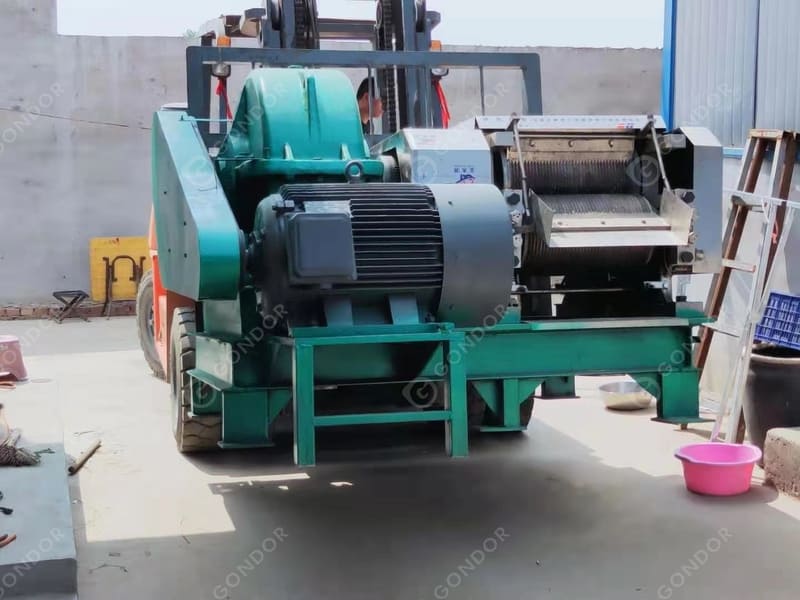
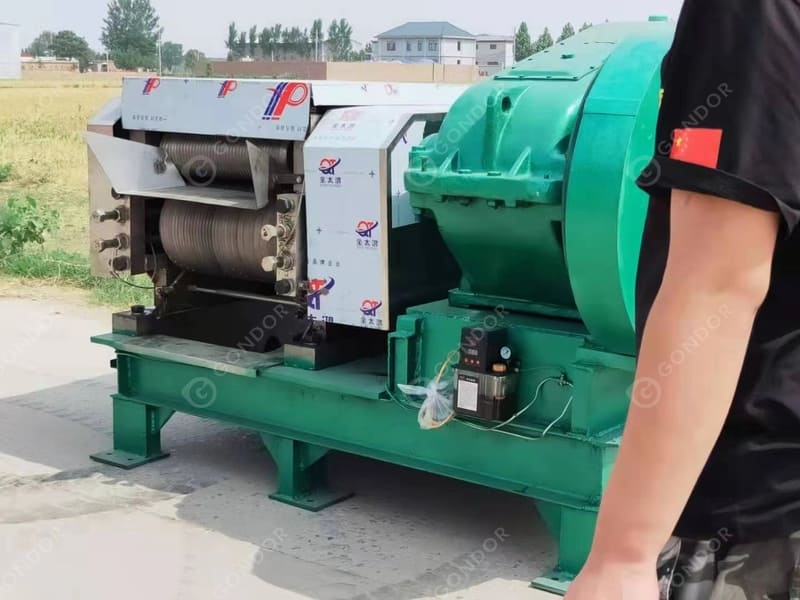
The Working Principle of a Sugarcane Press
Before starting the pressing process, understanding how the machine for extracting sugarcane juice works is crucial.
Step 1: Power Drive.
A high-torque motor drives the transmission system, providing continuous and stable pressing power to the internal roller/pressure roller system.
Step 2: Rolling and Extrusion.
After the sugarcane enters through the feed inlet, the pressure rollers generate strong rolling and extrusion, quickly breaking down the sugarcane fiber structure and releasing the juice.
Step 3: Juice Collection and Filtration.
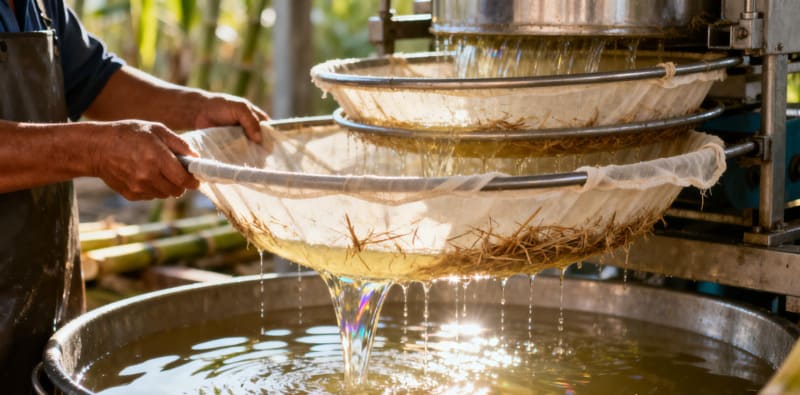
The extracted juice flows into the juice collection tray and undergoes preliminary filtration through a filter screen/filter to reduce fiber debris and impurities.
Step 4: Sludge Discharge and Safety Protection.
Dried bagasse is discharged from the sludge discharge outlet. A safety guard and emergency stop button enhance operational safety during feeding and operation.
How to Make Sugarcane Juice?
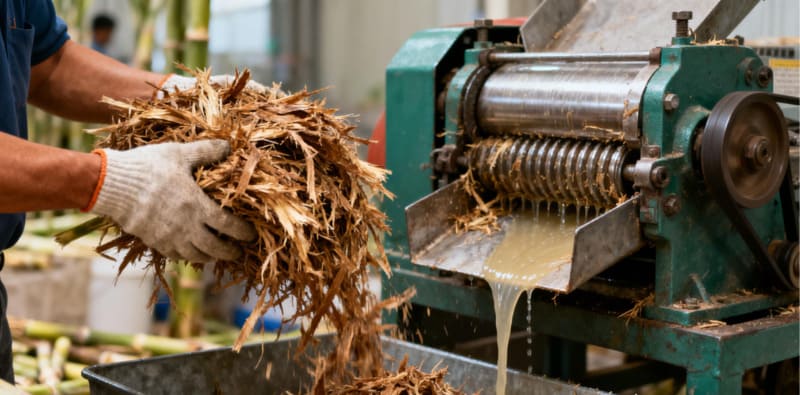
6 Steps to Make Sugarcane Juice with a Sugarcane Juicer

FAQ about Sugarcane Juicing
How to choose the right sugarcane press?
Choosing the right sugarcane juicer for your business starts with ensuring its capacity matches peak demand. Then, confirm your power source (electric or diesel) and operating environment (indoor shop or outdoor kiosk).
Next, prioritize food-grade contact parts, ease of disassembly for daily cleaning, and safety features such as protective covers and emergency stop buttons.
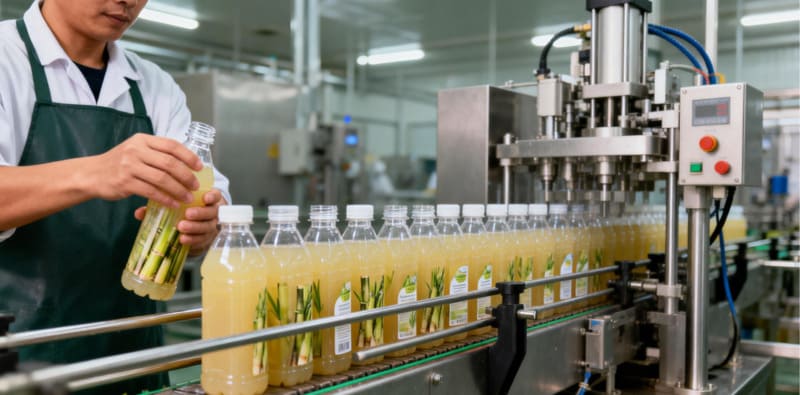
Finally, consider scalability—do you plan to add filtration, cooling, or bottling capabilities later?
Gondor’s sugarcane pressing equipment is designed for consistent juicing, a hygienic workflow, and easy maintenance, and offers a variety of configuration options to meet the needs of juice stands, cafes, supermarkets, and small beverage processing plants.