Clienti kazaki hanno visitato e ispezionato il progetto di foraggio idroponico
Feasibility Assessment and Implementation Discussion of a 7-House Hydroponic System Project
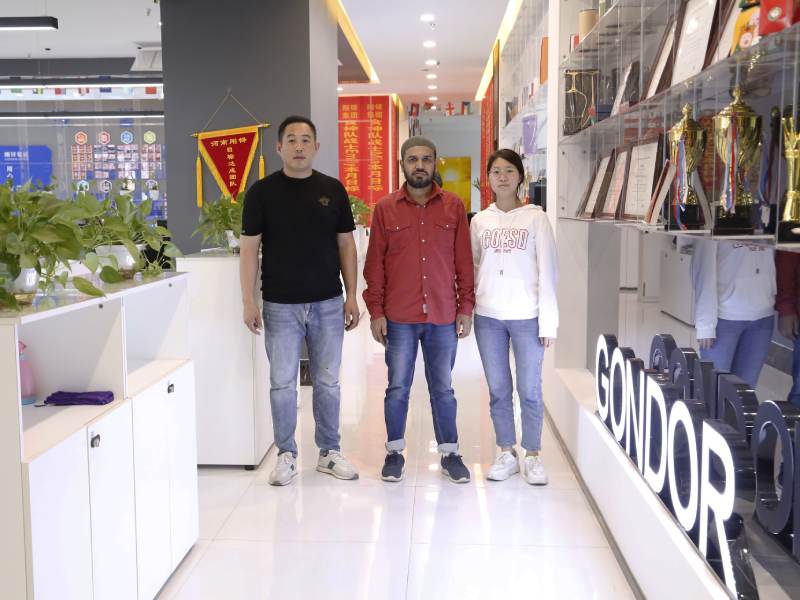
The client visiting this time was from Kazakhstan. Unlike previous online communications, he chose to come in person to conduct an in-depth investigation of the actual operation of the hydroponic forage project. The reason was simple—this was an investment project that had entered the substantive planning stage, not just an experiment at the conceptual level.
The final location of the project was not in Kazakhstan, but in Georgia.
During the preliminary research, the client comprehensively considered climate conditions, logistics channels, operating costs, and the local policy environment, believing that Georgia was more suitable as the starting point for the large-scale operation of hydroponic forage. This project plans to build 7 independent hydroponic forage houses, with a very clear goal: uscita stabile, year-round supply, and the possibility of later replication and expansion.
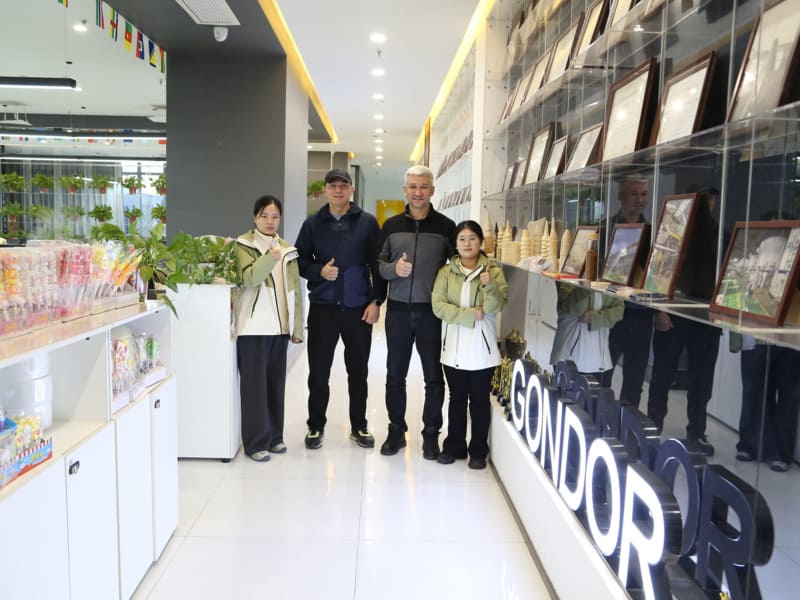
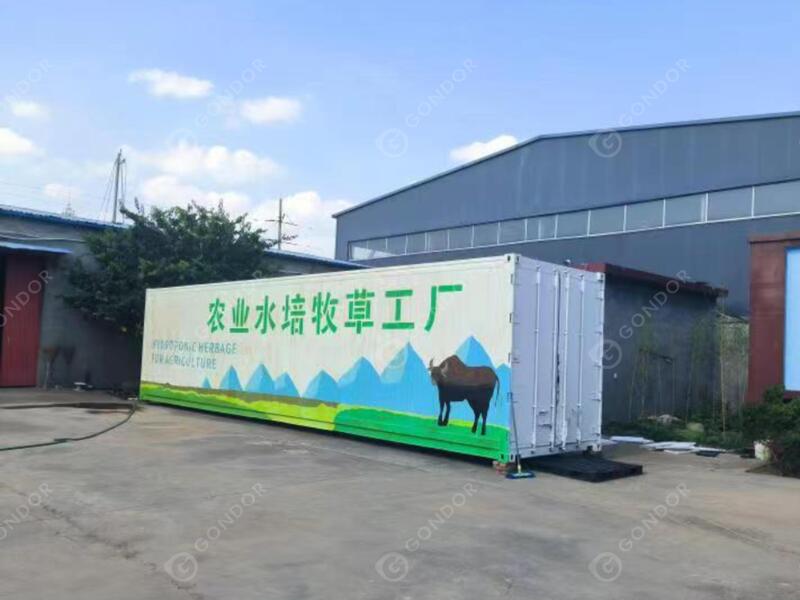
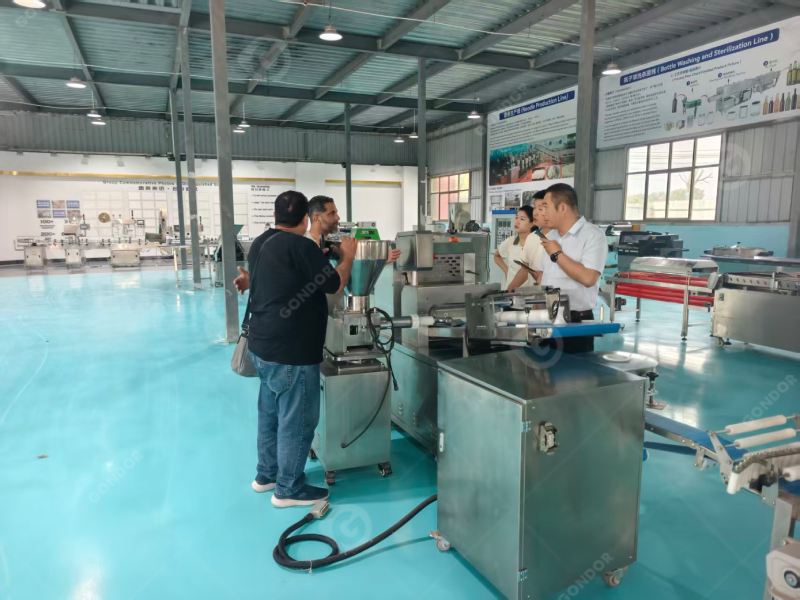
On-site Inspection of Hydroponic Forage Containers at the Factory
Upon entering our factory workshop, the client’s attention was immediately drawn to the precise operation of the fully automated seeding line and the hydroponic forage machines. They observed carefully and asked in-depth questions. From seed selection and temperature and humidity control to nutrient solution circulation and harvesting cycles, every step was repeatedly confirmed.
We could sense that they brought not only a list of needs, but also years of agricultural experience accumulated in Central Asia and pragmatic considerations for project implementation. During the discussions, a key point gradually became clear: the local climate, water quality, and power supply in Georgia would be the core variables in the project design.
It started with “assessing the equipment,” but went beyond that.
At the outset, the client didn’t rush to inquire about pricing. Invece, they repeatedly confirmed several core questions: Is the hydroponic forage system truly suitable for long-term commercial operation? Can the forage yield and stability remain consistent across different seasons? If seven rooms are operating simultaneously, will system management become complex?
To address these questions, we didn’t simply offer a product introduction. Invece, drawing on our practical project experience, we broke down the operational logic step by step. From seed germination cycles and average daily forage yield to temperature and humidity control, light configuration, and nutrient solution circulation methods, each aspect directly impacts the project’s later operating costs and labor input.
The client was particularly concerned about system stability and automation. In their view, the value of hydroponic forage lies not in “whether it can grow,” ma dentro “whether it’s worth the long-term investment.” This is precisely the key point we repeatedly emphasized in our solution design.
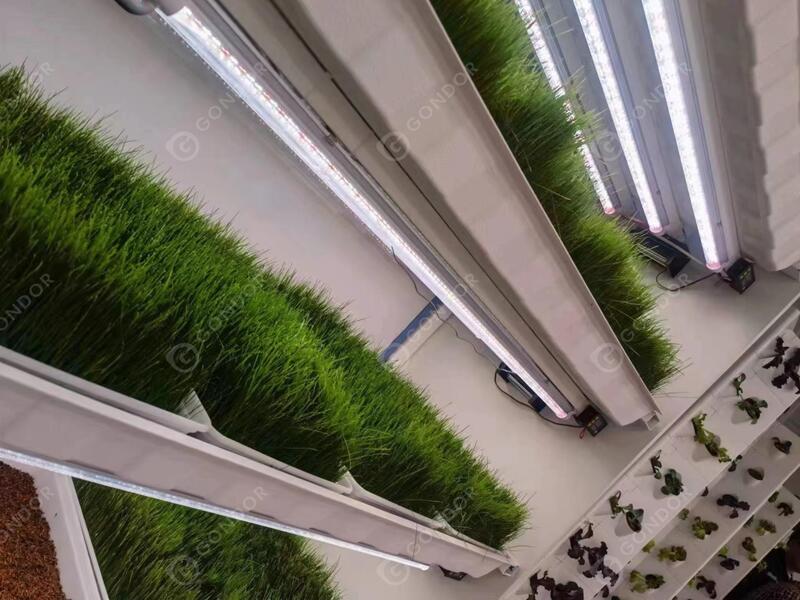
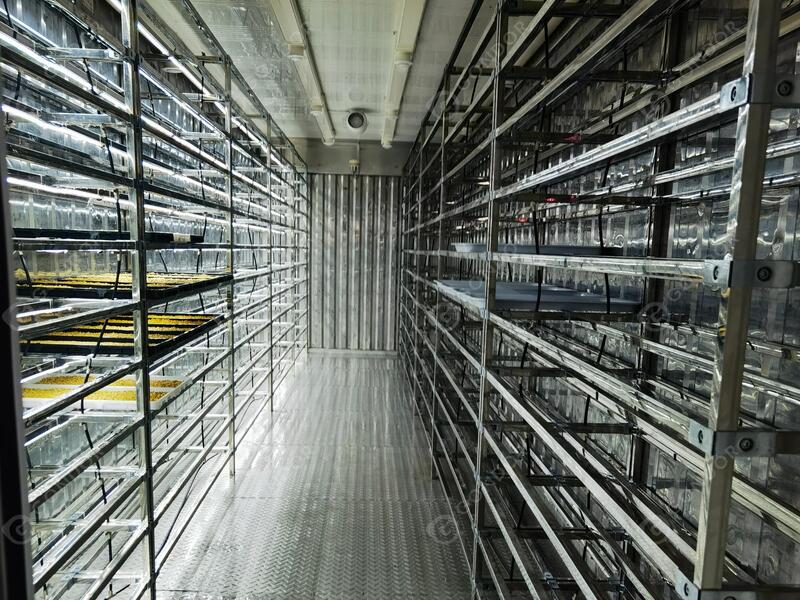
Discussion of the Overall Solution for 7 Hydroponic Rooms
During the site visit, we focused on explaining the overall configuration of the 7 hydroponic hay rooms. Compared to a single demonstration room, the client was more concerned about the coordination of multiple rooms operating simultaneously, compreso:
During the discussions, the client repeatedly mentioned a key word: “replicability.” This is not a pilot project, but a commercial model that they hope to promote in different regions in the future.
Facing problems head-on is key to project success.
In our case discussions, we deliberately avoided ditching real-world issues. Per esempio, when operating hydroponic forage projects in different countries, the stability of seed supply, local staff operating habits, and routine maintenance standards all impact the final outcome. These factors are easily overlooked when focusing solely on equipment specifications.
Perciò, we incorporated more operational suggestions into our discussions, including staffing strategies, basic training methods, and key operational milestones to focus on during the initial project launch. These aspects aren’t explicitly stated in the quotation, but they often determine the project’s success.
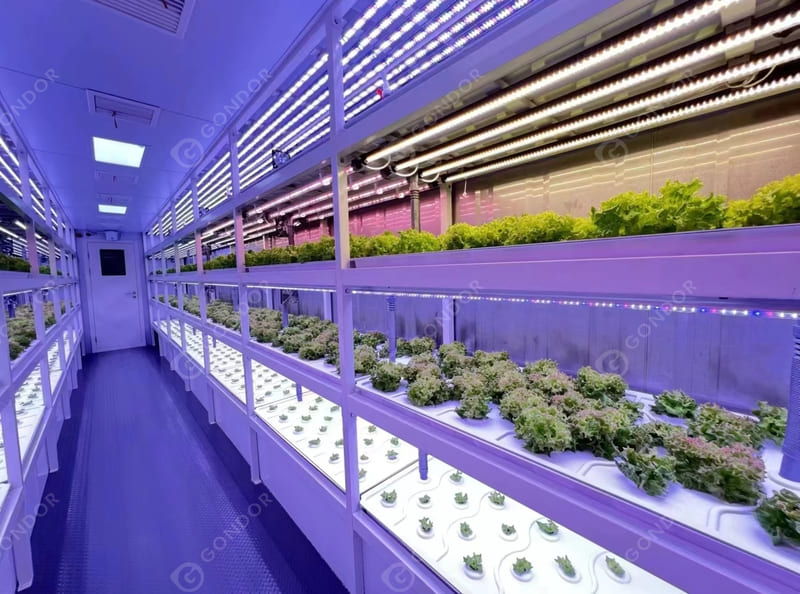
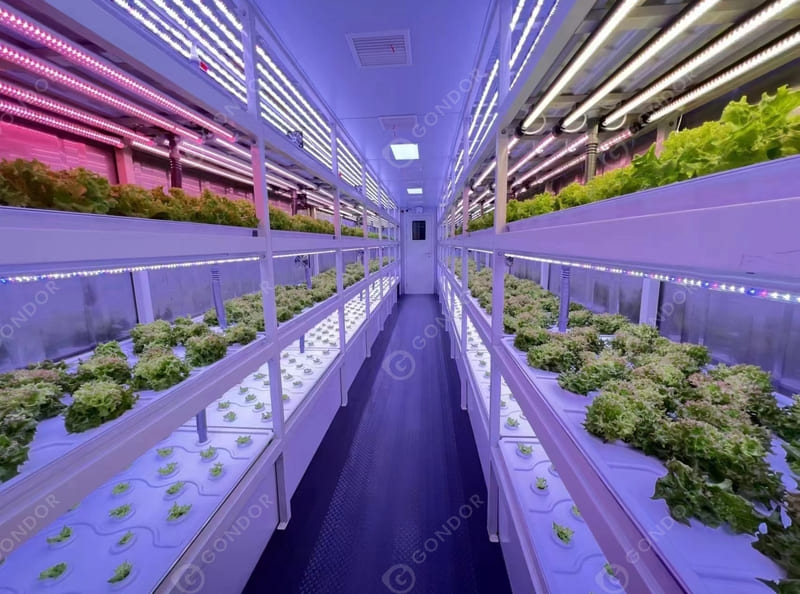
🌱 Advantages of Gondor Hydroponic Forage Equipment
The Gondor hydroponic forage system ensures optimal growth of forage from germination to maturity by precisely controlling key parameters such as light, temperatura, umidità, and nutrient solution ratio.
Compared to traditional soil cultivation, it can achieve 3-5 times the forage yield per unit area, while significantly shortening the growth cycle and increasing continuous productivity throughout the year.
- Automatic Temperature and Humidity Regulation
- Intelligent Light Cycle Setting
- Automatic Nutrient Solution Ratio and Circulation
- Supports Independent Adjustment for Individual Units
- Centralized Management for Multiple Units
- Facilitates Replication and Large-Scale Promotion
- Low Wastewater Discharge
- No Soil Disease Risk
- Can be Combined with Rainwater Harvesting &