Come scegliere la migliore macchina per sbucciare la frutta
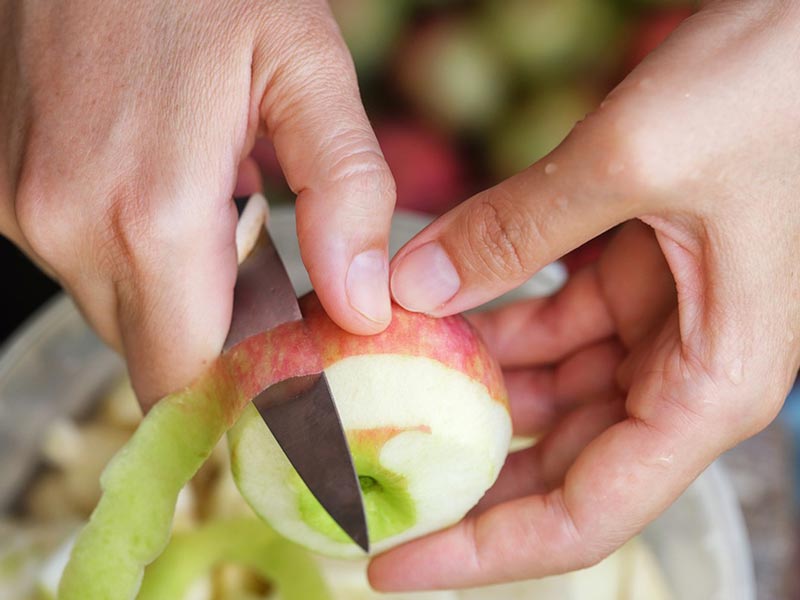
Nel mercato altamente competitivo della trasformazione alimentare di oggi, l’efficienza è l’ancora di salvezza. If you are still relying on a large number of workers for peeling operations, you may have noticed these troublesome problems: high fruit flesh loss rate, difficulty in unifying hygiene standards, and the ever-rising labor costs.
Manual peeling is not only slow but also prone to human error, often resulting in the waste of the most nutritious part of the fruit closest to the skin. This is why leading global juice producers and dehydrated vegetable processors are increasingly turning to automated solutions.
Precision and Control: Why PLC Systems Are Crucial
When purchasing industrial machinery, the last thing you should overlook is its “cervello”. Many low-cost machines use simple mechanical drives, which can be a disaster when dealing with irregularly shaped fruits.
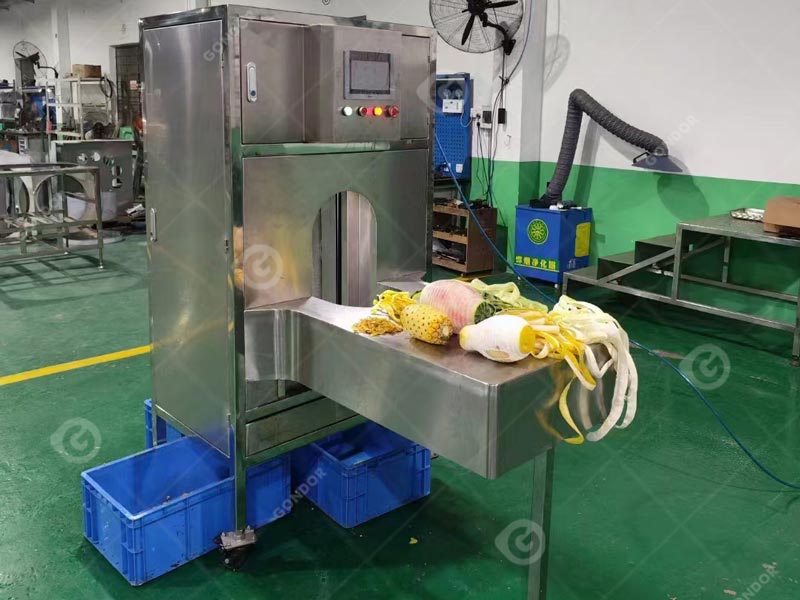
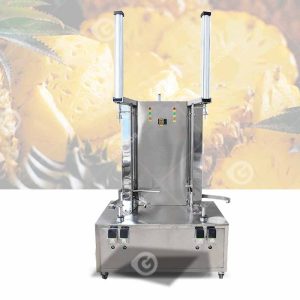
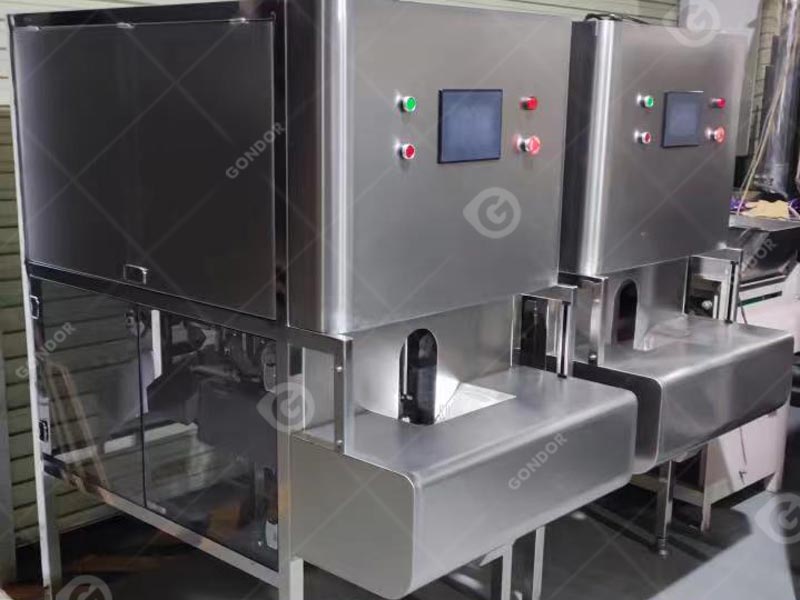
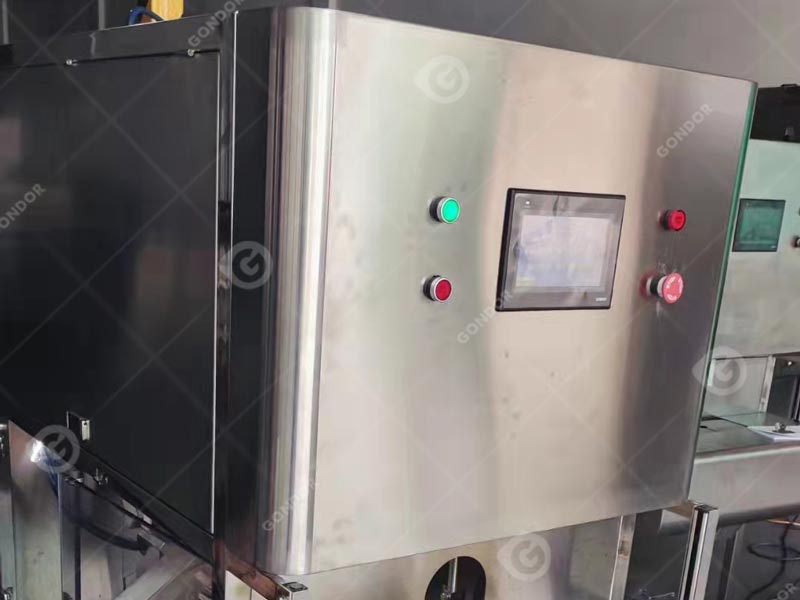
Gondor suggests that users give priority to choosing industrial fruit peeling machine equipped with PLC systems from international brands such as Omron or Siemens. Taking the Gondor peeling fruit machine as an example, the computer control system can precisely adjust the peeling thickness within 1-3mm.
Multi-functionality: Not Just Peeling, But an All-Round Workstation
A truly “best” device should never be limited to a single function. In the food machinery industry, space and energy efficiency are of paramount importance.
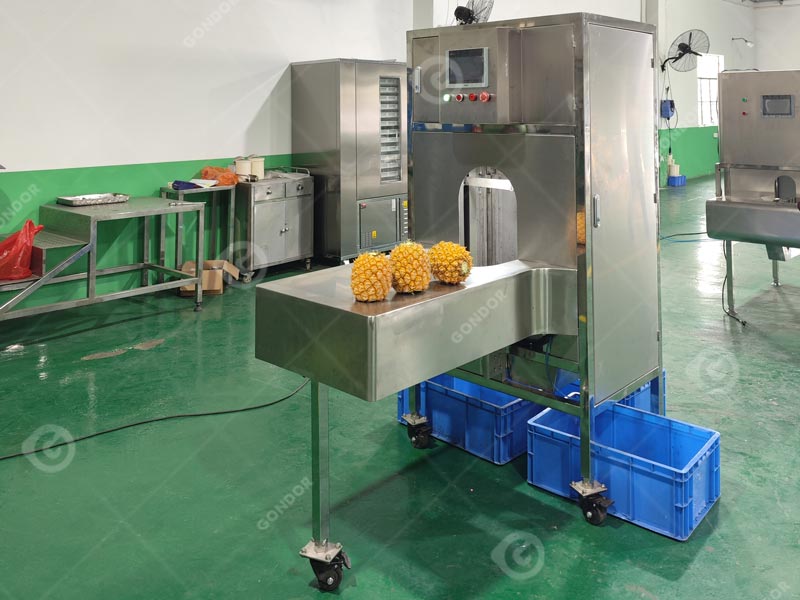
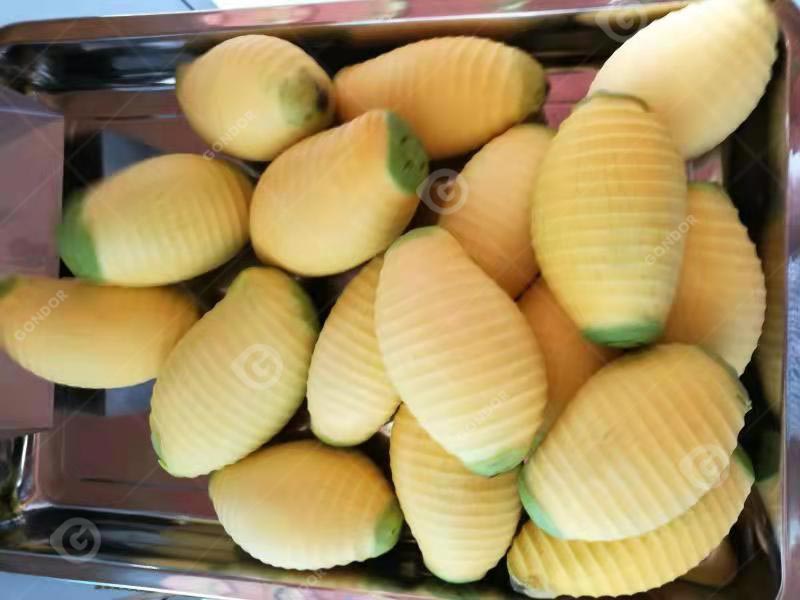
A best fruit peeler machine should integrate the functions of peeling, pitting and slicing in one. This means that you don’t need to purchase three different machines, nor do you need to frequently move materials between workstations, reducing the risk of secondary contamination.
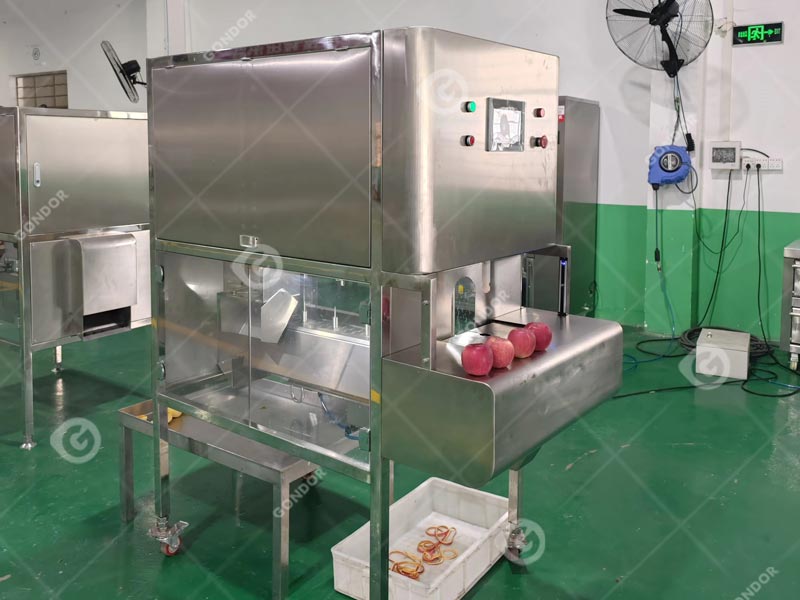
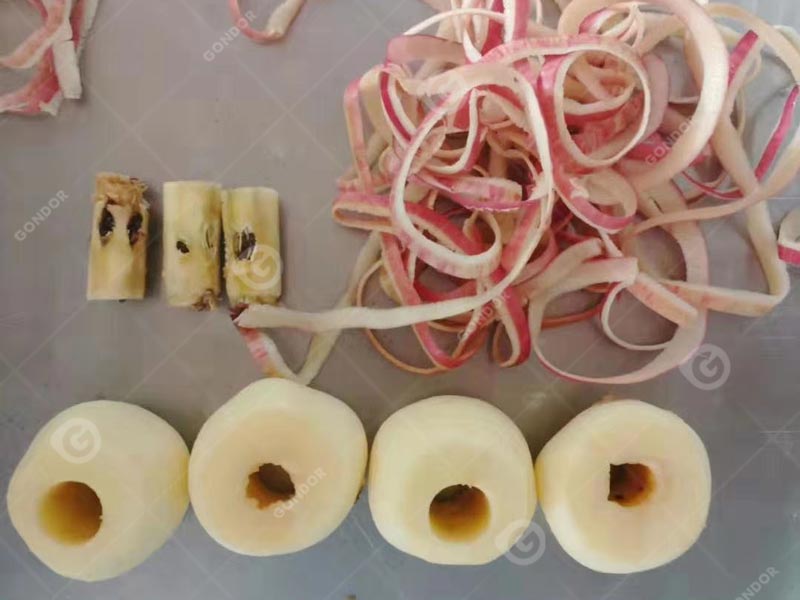
Regardless of whether the fruit is tall, short, fat or thin, it can provide uniform peeling pressure. This flexibility is the key to improving processing quality.
Durata e igiene
In a food processing environment, corrosion is the enemy of machinery. Fruit acids (such as citric acid and malic acid) are highly corrosive to metals.
When making a purchase, please make sure to confirm the material of the entire machine. SUS304 stainless steel is an internationally recognized food-grade standard. It not only has strong corrosion resistance but also has a smooth surface, making it difficult for bacteria to breed. Gondor’s design takes into account the convenience of cleaning, and the entire machine can be directly rinsed.
A lungo termine, investing in a fruit peeling machine made entirely of stainless steel is more beneficial than purchasing a cheap alloy one. The latter may start to rust after running for just one year, not only contaminating food but also causing frequent shutdowns for maintenance, which is not worth it.
Adaptability: Tailor-Made According to Production Scale
There is no perfect machine; only the most suitable solution for your production scale. When making a purchase, you need to have a clear understanding of the size range of the processing objects.
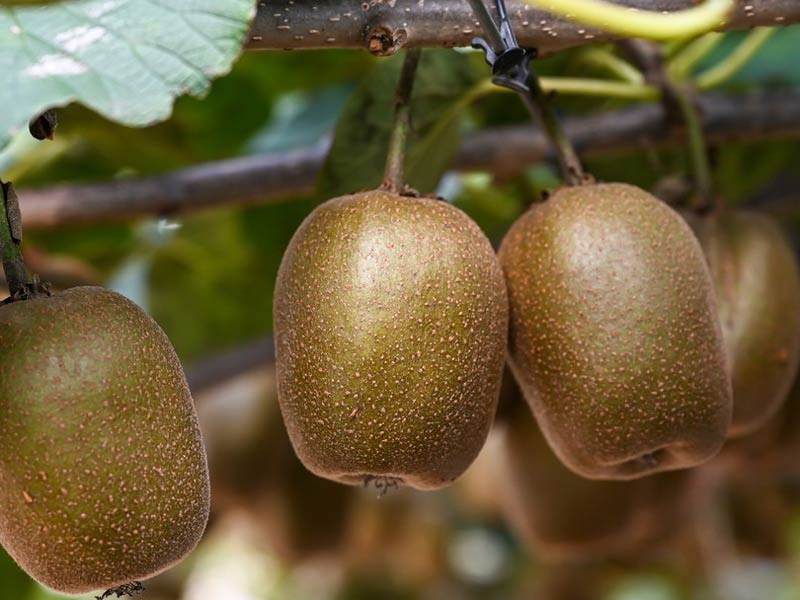
- Conventional Fruit Processing: If your main products are apples, pere, peaches or kiwis, machines with a diameter of 40-100mm are the gold standard.
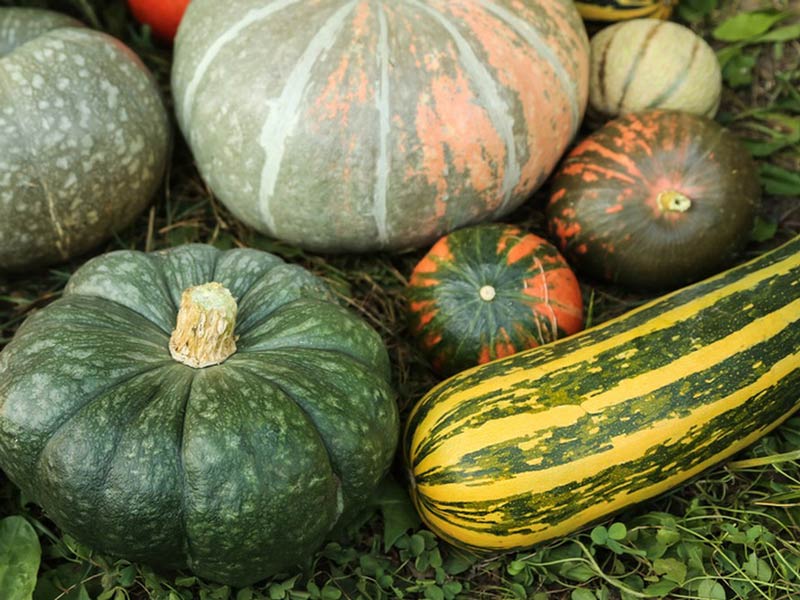
- Heavy-Duty Fruit and Vegetable Processing: For pumpkins or large melons, you need a heavy-duty peeler. The GD-FPM2 has a height adjustment range of up to 400mm and a peeling thickness that can be extended to 10mm.
How Gondor Redefines Your Processing Efficiency
In summary, the best fruit peeling machine must have: high automation, extremely low loss, and unbreakable durability.
Gondor is not merely selling machines; we are offering a set of intelligent processing solutions. Through the operation interface of Omron touch screens, even ordinary workers can learn how to switch peeling modes within minutes. Questo “skill-free” design addresses the pain points of enterprises in terms of recruitment and training difficulties.