Come fa una lavatrice a bolle a pulire le verdure??
Con una crescente consapevolezza sulla sicurezza e la salute alimentare, consumers are demanding higher standards for the cleaning of vegetables and other foods. Cleaning vegetables is not just about removing dirt, grime, e residui di pesticidi; it’s also about ensuring food safety and nutritional value.
To meet this demand, more and more food processing companies are using bubble cleaners. With their efficient, environmentally friendly, and non-destructive cleaning characteristics, they have become one of the core pieces of equipment in the modern food processing industry.
The core principle of bubble washing machines is to use bubbles to clean vegetables. The basic workflow involves two steps:
Primo, the vegetables are placed in a washing tank filled with water and bubbles. The combination of water flow and bubbles creates a powerful washing force. The tiny shockwaves generated when bubbles burst in the water effectively remove dirt, residui di pesticidi, and other harmful substances from the vegetable surface.
Secondo, the bubbles, through contact with the vegetable surface, “bounce” away surface dirt and also clean the finer parts of the leaves, ensuring a thorough cleaning.
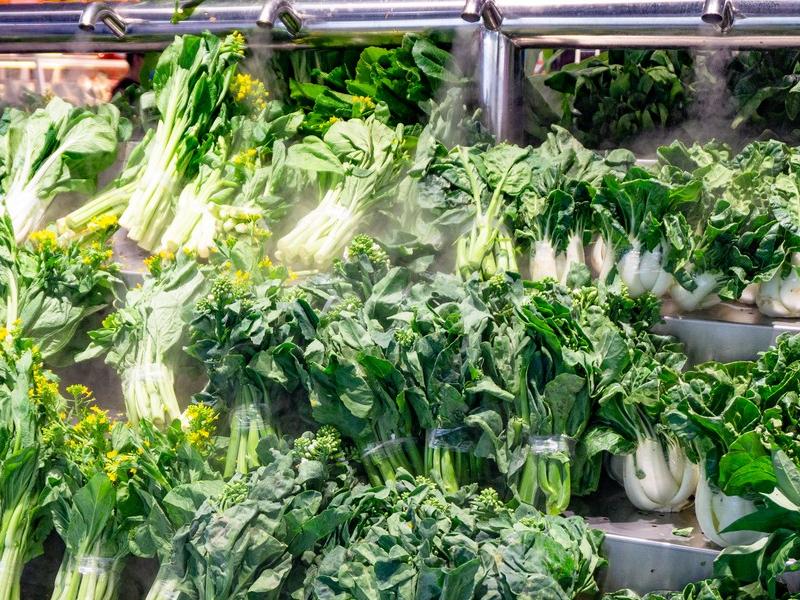
Compared to traditional washing methods, bubble washing machines not only significantly improve cleaning efficiency but also avoid damage to vegetables caused by excessive friction or high-pressure water flow. Because the tiny impact forces of bubbles in the water effectively remove contaminants, the vegetables retain their original shape, preventing damage to the leaves. Perciò, bubble washing machines are particularly suitable for processing fragile leafy vegetables.
Unique Structure of the Bubble Washing Machine
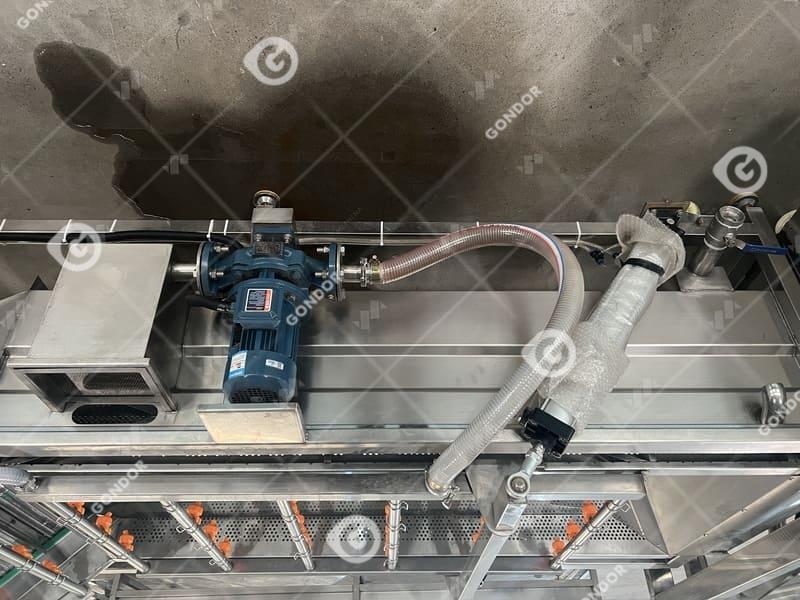
High-Pressure Blower and Bubble System
A blower at the bottom of the machine injects high-pressure air into the water. This air, after passing through special nozzles, forms tens of thousands of high-density bubbles.
Energy Generated by Bubble Bursting
When bubbles contact the surface of vegetables and burst, they generate instantaneous micro-impact. This force is sufficient to peel away insect eggs, sporco, and fine pesticide crystals hidden in the folds.
The Tumbling of Circulating Water
The bubbles not only “brush” ma anche “push.” Through the circulation of water, the vegetables tumble 360 degrees within the tank, ensuring that every leaf and every crevice comes into contact with flowing clean water.
Why are bubble washing machines the ideal choice for food processing plants?
During factory visits, I found that operators particularly favored bubble washing machines. Il motivo è semplice: they are “smart” E “effortless.”
Ampia applicabilità: From Leafy Vegetables to Root Vegetables
Bubble washing machines are highly versatile. For delicate leafy vegetables, they can adjust the bubble intensity to avoid damage; for root vegetables with uneven surfaces (such as potatoes and lotus roots), they utilize the impact force of the bubbles to thoroughly clean dirt and sand from crevices. This flexibility is unmatched by traditional drum washing machines or manual washing.
Energy Saving and Environmental Protection: Every Drop of Water is Preserved
As an industry professional, I am well aware that water and electricity consumption are major costs for food processing plants. Bubble washing machines are typically equipped with a water circulation system. The washing water is simply filtered and can be reused, with only a small amount of wastewater being discharged. Inoltre, utilizing the physical cleaning action of bubbles achieves ideal cleaning results without the use of high temperatures or high-concentration chemical cleaning agents, which is itself an energy-saving measure.
Human-centered design: Easy to maintain and clean
I particularly appreciate the “human touch” in the design of modern bubble washing machines. Many units feature a modular design, requiring no complicated tools for disassembly and assembly. This means that at the end of the day, workers can quickly disassemble the parts for thorough cleaning, preventing bacterial growth. This is crucial for food safety management.
Application Scenarios of Bubble Washing Machines: From Fields to Supermarket Shelves
The application scope of bubble washing machines is constantly expanding.
Small Farms or Cooperatives
Mobile or small-batch bubble washing machines have emerged on the market, suitable for the initial processing of agricultural products sold directly by farms. This equipment is highly flexible and can be moved to different workshops as needed.
Fresh-cut Industry
This is currently the largest market. Bubble washing is an essential step in providing supermarkets with ready-to-cook, pre-washed vegetables.
Dehydration Processing and Frozen Foods
Before dehydration or quick-freezing (IQF), the surface of the raw materials must be ensured to be clean; Altrimenti, the total bacterial count of the finished product will be severely affected.
Large Vegetable Processing Plants
This is the primary application scenario for bubble washing machines. Processing several tons or even tens of tons of vegetables daily relies on this continuous washing line. They are usually linked with cutting, disidratazione, and packaging equipment to form a complete automated production line.
Supermarket Fresh Produce Supply Chain
To ensure the cleanliness and appearance of vegetables on shelves, many supermarket supply chains are also beginning to introduce bubble washing machines. The production of ready-to-eat salads, in particular, requires extremely high hygiene standards for cleaning. Bubble cleaning, combined with appropriate disinfectants (such as food-grade hypochlorous acid), can effectively kill bacteria without affecting the taste.
La domanda globale di concentrato di pomodoro continua a salire, eppure pochi di noi vedono come è effettivamente fatto quel denso vaso di rosso. Dietro c'è un automa...
Quando la temperatura del substrato supera di 2 ℃ il target durante la notte durante il fissaggio, i primordia si interrompono o si deformano in massa – e il rossore di quella settimana……