Lavorazione della frutta della Guyana: La pelatrice per ananas migliora l'efficienza della pelatura
In the tropical fruit processing industry, pineapple peeling has always been a critical step affecting production efficiency and product consistency. For many small and medium-sized fruit processors, while traditional manual peeling has a low initial investment, as orders increase, this manual method often reveals problems such as low efficiency, spreco elevato, and inconsistent hygiene standards.
Guyana, located in northern South America and known as the “Pearl of the Caribbean,” has a tropical fruit processing industry that is an important part of its local economy. This case study focuses on a Guyanese fruit processing company, a medium-sized enterprise that has been operating locally for over eight years, primarily serving local supermarkets, alberghi, and juice processing plants. They mainly focus on the initial processing of fruit raw materials, particularly aiming to improve the efficiency and uniformity of pineapple peeling.
With business expansion, especially during the peak pineapple season from April to July each year, their core pain point has become increasingly apparent: low pineapple peeling efficiency and high waste rates. The client urgently needs a stable, efficiente, and food-safe automated machine to replace traditional manual peeling with hand-operated tools.
Why a “304 Stainless Steel Pineapple Peeling Machine”?
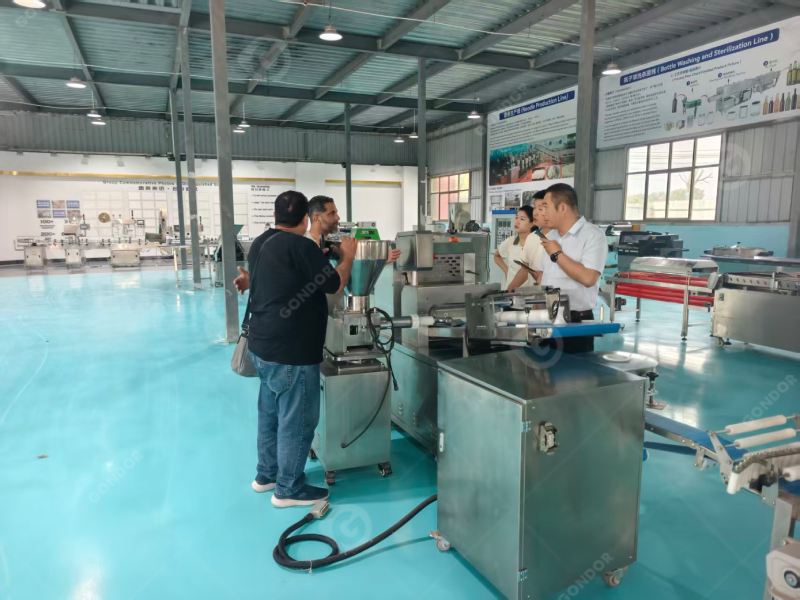
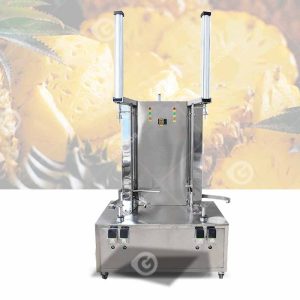
After receiving the customer’s inquiry, our technical team didn’t rush to provide a quote. Invece, we conducted an in-depth “pain point diagnosis.” Based on the customer’s specific needs, we recommended and customized a “304 Acciaio inossidabile Macchina per sbucciare l'ananas.” This wasn’t just about selling a machine; it was about providing a comprehensive solution.
Manual vs. Macchina: Manually processing a pineapple takes an average of 50 secondi (including removing the top, metter il fondo a, and peel), while our machine takes only 5 secondi.
Loss Comparison: The machine, with its adjustable curved blades, can control the fruit loss rate to within 8%, compared to 15%-20% for manual processing. This means nearly 100 kg more fruit can be produced daily.
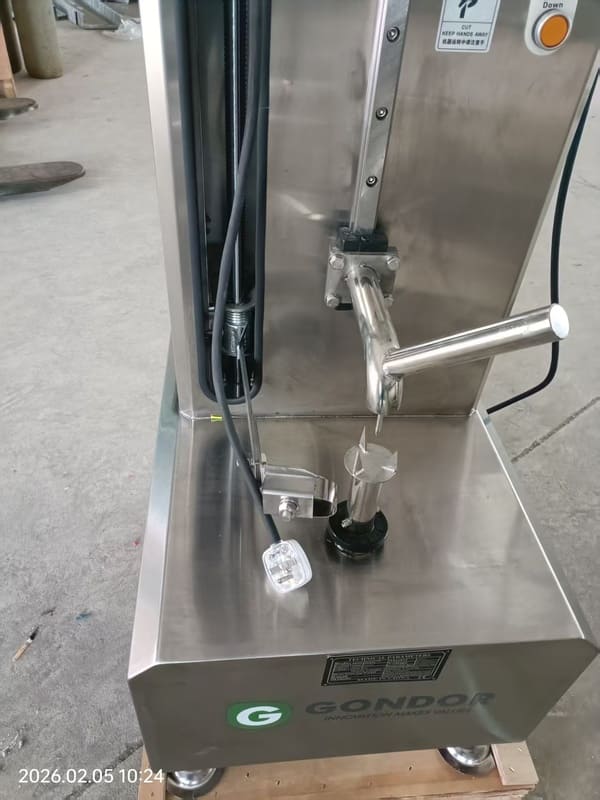
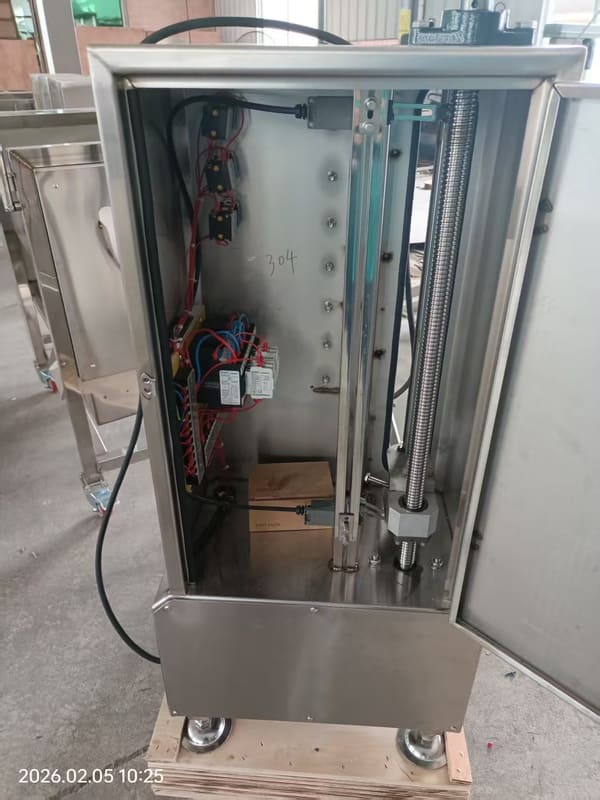
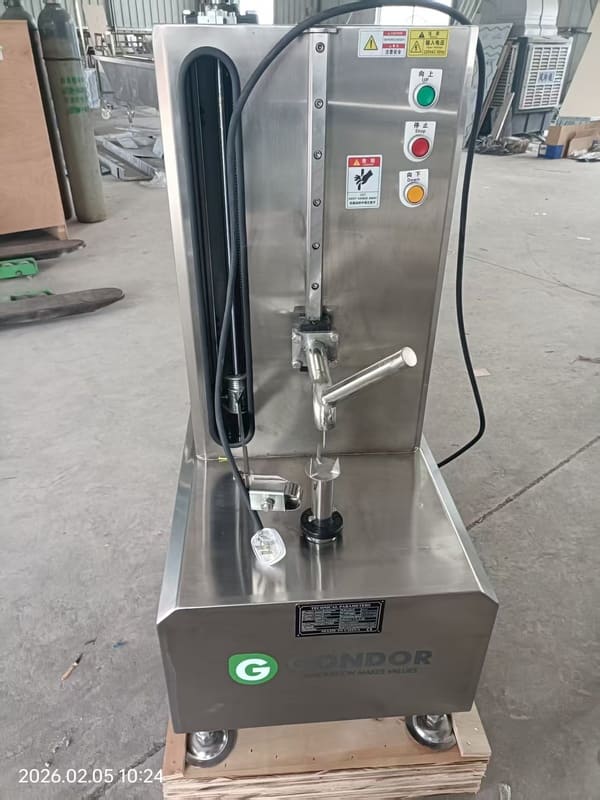
Doubling Capacity and Dramatically Reducing Costs
Our automatic pineapple peeler arrived at Georgetown Port in February 2026. Our after-sales engineers completed the commissioning process in just one hour via remote guidance. One month later, we received a progress report from the customer.
- Production Efficiency: Daily processing capacity jumped from 2,000 pineapples to 6,000, UN 200% increase. What used to require five people a day can now be easily completed by just two people working with the machine.
- Ritorno sull'investimento: The customer calculated that the investment cost was recovered in just 45 giorni, saving the wages of three workers and reducing fruit pulp loss.
- Reduced Rejection Rate: The defect rate due to uneven peeling decreased from 5% A 0.5%.